 中文服务
中文服务







 6 Clinics Across London
 600,000 Treatments
 Free Consultation
 Award Winning Treatments
If you're troubled by stretch marks and long for a smoother, more refined appearance, modern technology offers effective solutions. Stretch mark removal is achievable with advanced treatments available at Premier Laser & Skin Clinic. Our cutting-edge options can help restore your skin’s natural beauty.

How we help
Stretch mark treatments work in different ways. Some use fine needles to stimulate skin repair, while others add radiofrequency heat or use laser energy.
The aim is to improve skin texture and make stretch marks less noticeable. No treatment can reliably remove them completely.
Dermapen Microneedling
Dermapen uses fine needles to create tiny, controlled punctures in the skin. These stimulate the skin’s repair response and collagen production, which may help improve the texture and visibility of stretch marks.
Standard Dermapen microneedling uses needles without radiofrequency heat. Improvement develops gradually, and a course of treatment may be recommended.
Morpheus8 Body
Morpheus8 Body is a specific type of radiofrequency microneedling. It combines fine needles with radiofrequency energy to treat tissue beneath the skin’s surface.
It may be considered when stretch marks are accompanied by concerns about skin texture or looseness. Your practitioner will assess these concerns separately and explain what treatment could achieve for each.
Morpheus8 is not a laser. Its suitability depends on your skin, the treatment area and the settings used. Treatment aims to improve the appearance of stretch marks.
iPixel laser resurfacing
iPixel uses fractional laser energy to treat tiny areas of skin while leaving surrounding skin between those points intact. This creates controlled microscopic areas of skin injury, encouraging healing and collagen renewal.
For stretch marks, the aim is to improve uneven texture and make the marks less noticeable.
Understanding the condition
What causes stretch marks?
Stretch marks can develop during:
Pregnancy, as the body changes and the skin stretches.
Puberty, particularly during rapid growth.
Significant weight changes, including weight gain or weight loss.
Rapid muscle growth, which can stretch the skin.
Hormones and family history can influence whether you develop stretch marks. Long-term use of certain corticosteroid medicines can also contribute.
Stretch marks can affect people of different ages, body shapes and skin tones.
What to look for
What is the difference between red and white stretch marks?
Newer stretch marks may look pink, red, purple or brown, depending on your skin tone. They can sometimes feel itchy or slightly raised.
Older stretch marks usually become paler and may look white or silvery, with a slightly sunken texture.
Your practitioner will assess both colour and texture when discussing treatment. Improving an indentation and addressing a colour difference are different treatment goals.
More about this condition
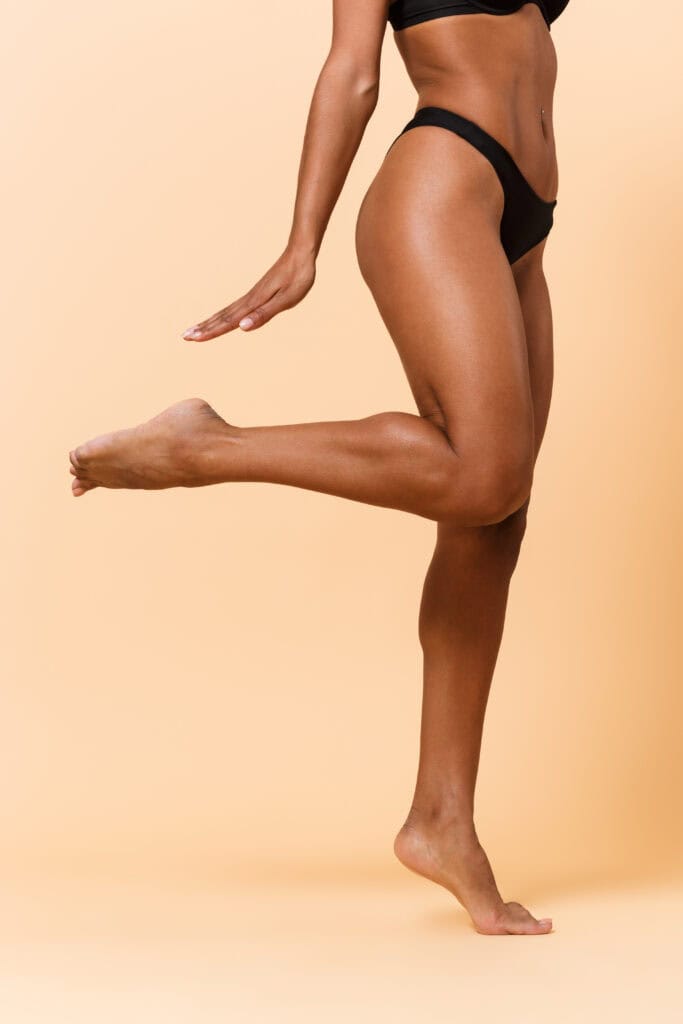
What are Stretch Marks?
Stretch marks are common, harmless changes in the skin that can appear after pregnancy, growth spurts or changes in weight. They often fade naturally, but some remain noticeable.
Stretch marks, also called striae, are a type of scar that develops when rapid stretching or shrinking disrupts the collagen and elastin that support your skin.
They appear as lines or streaks and can feel slightly raised at first, becoming flatter or indented over time. Their colour varies with your skin tone and how long they have been present.
At Premier Laser & Skin Clinic, we offer treatments that may reduce the appearance of stretch marks and improve uneven skin texture, including Dermapen microneedling, radiofrequency microneedling, Morpheus8 Body and iPixel laser resurfacing.These advanced treatments help restore your skin’s texture, reducing the visibility of stretch marks and leaving your skin looking smoother and more refined.
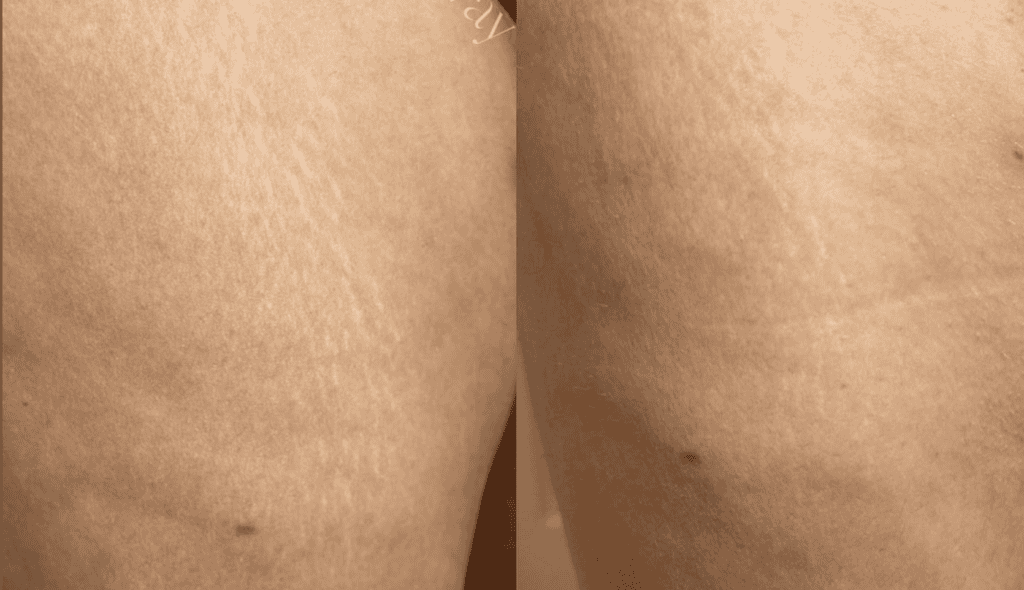
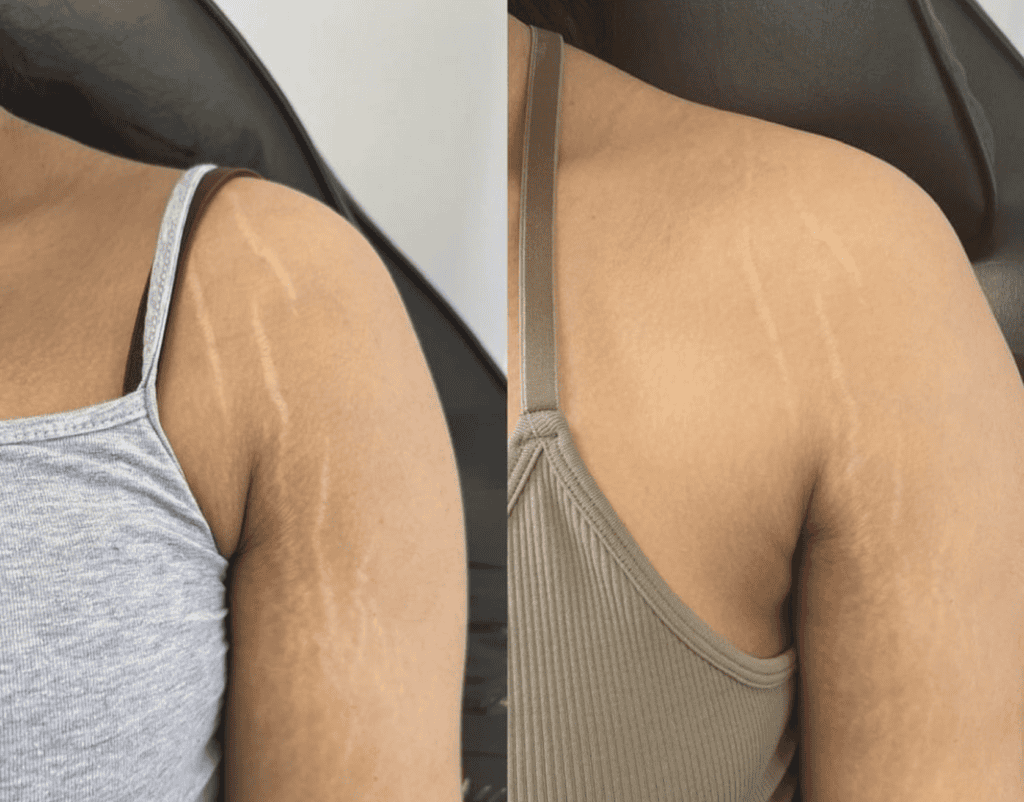
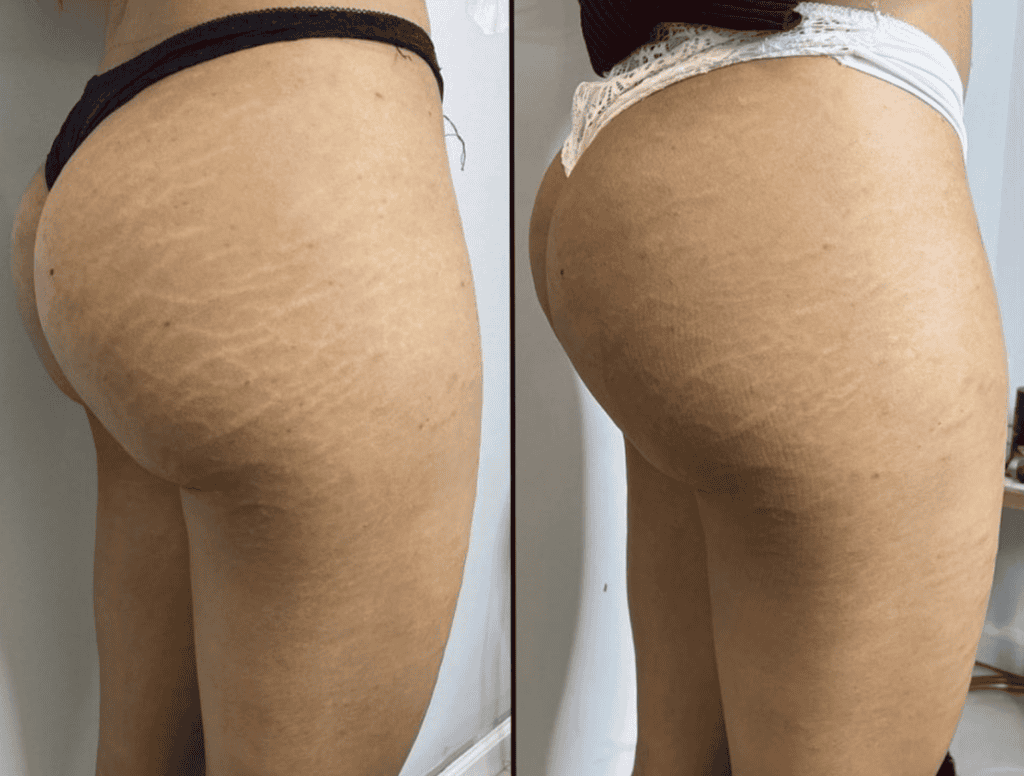
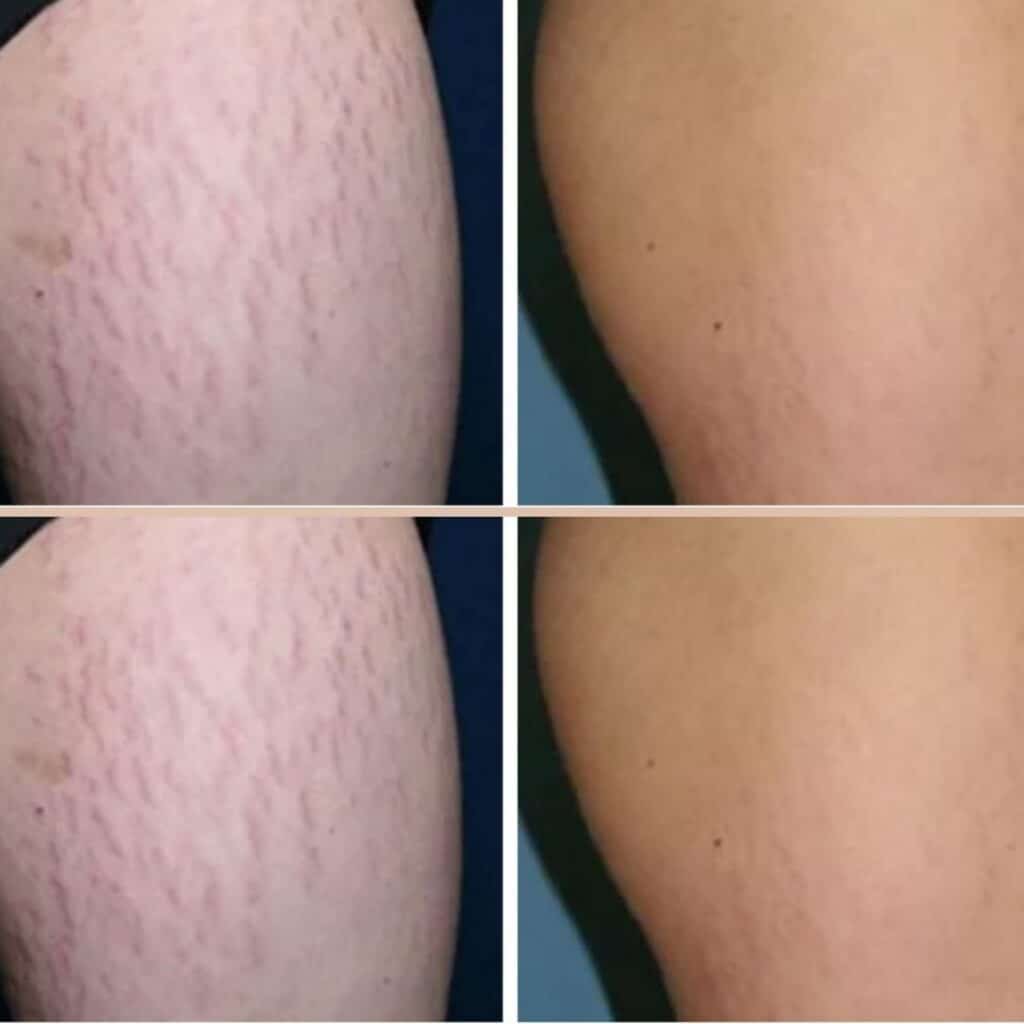
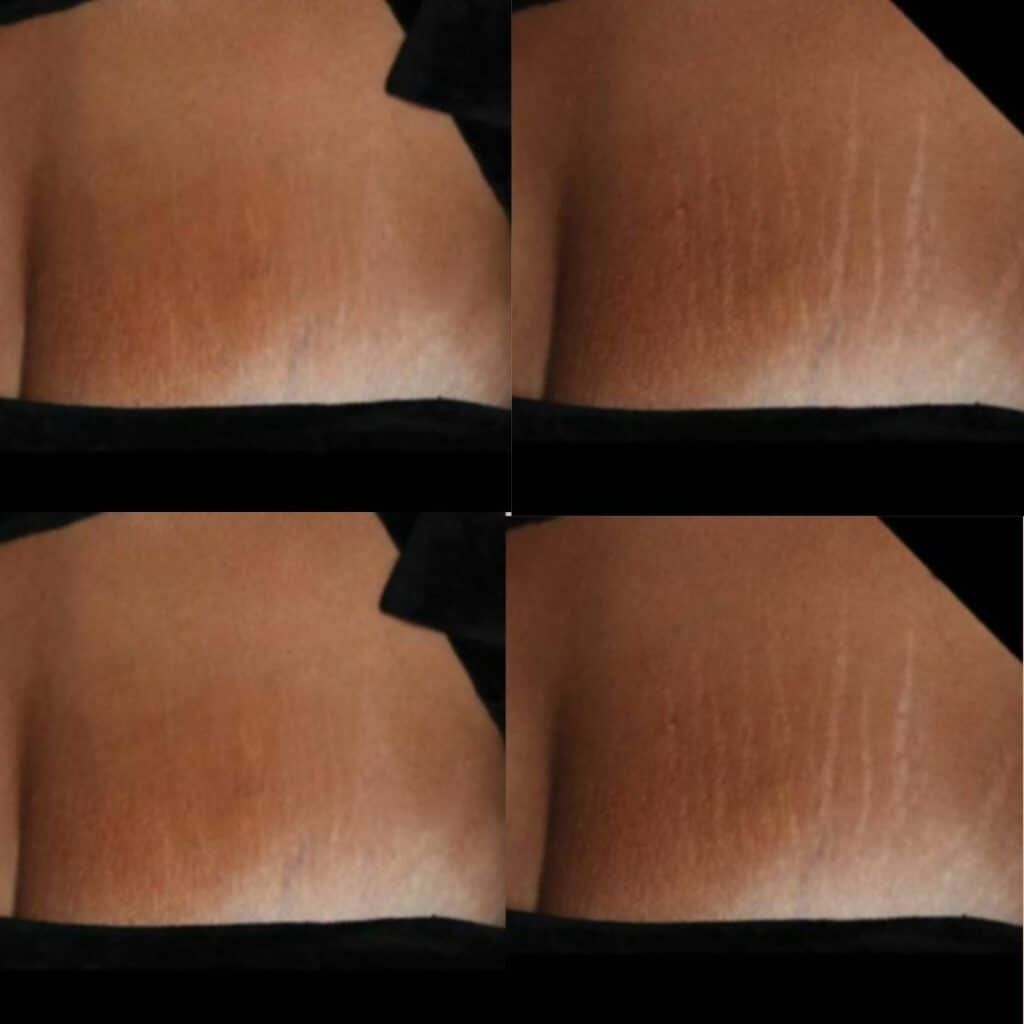
Results from our clinics
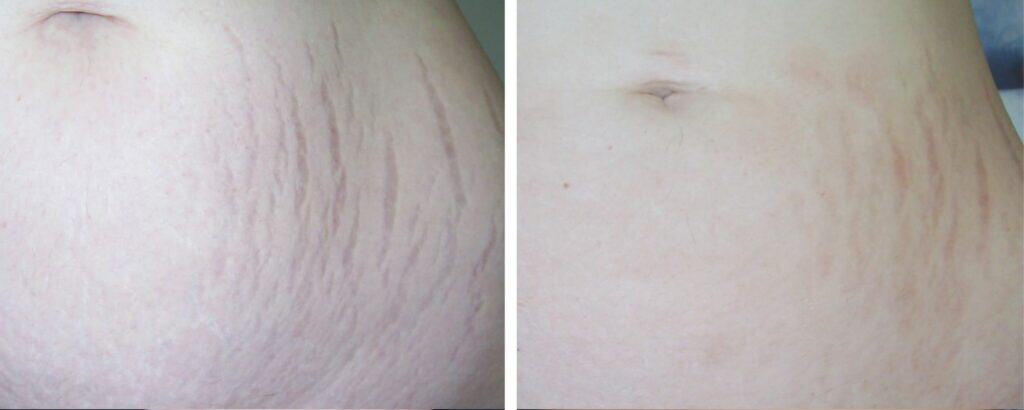
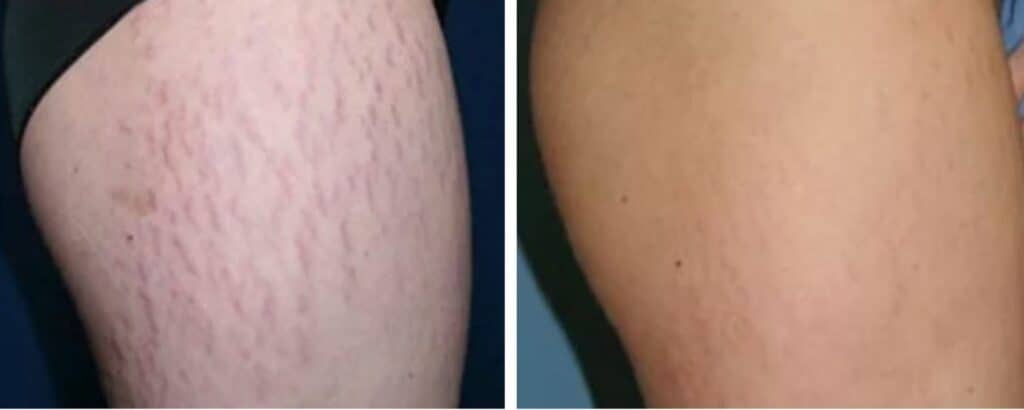
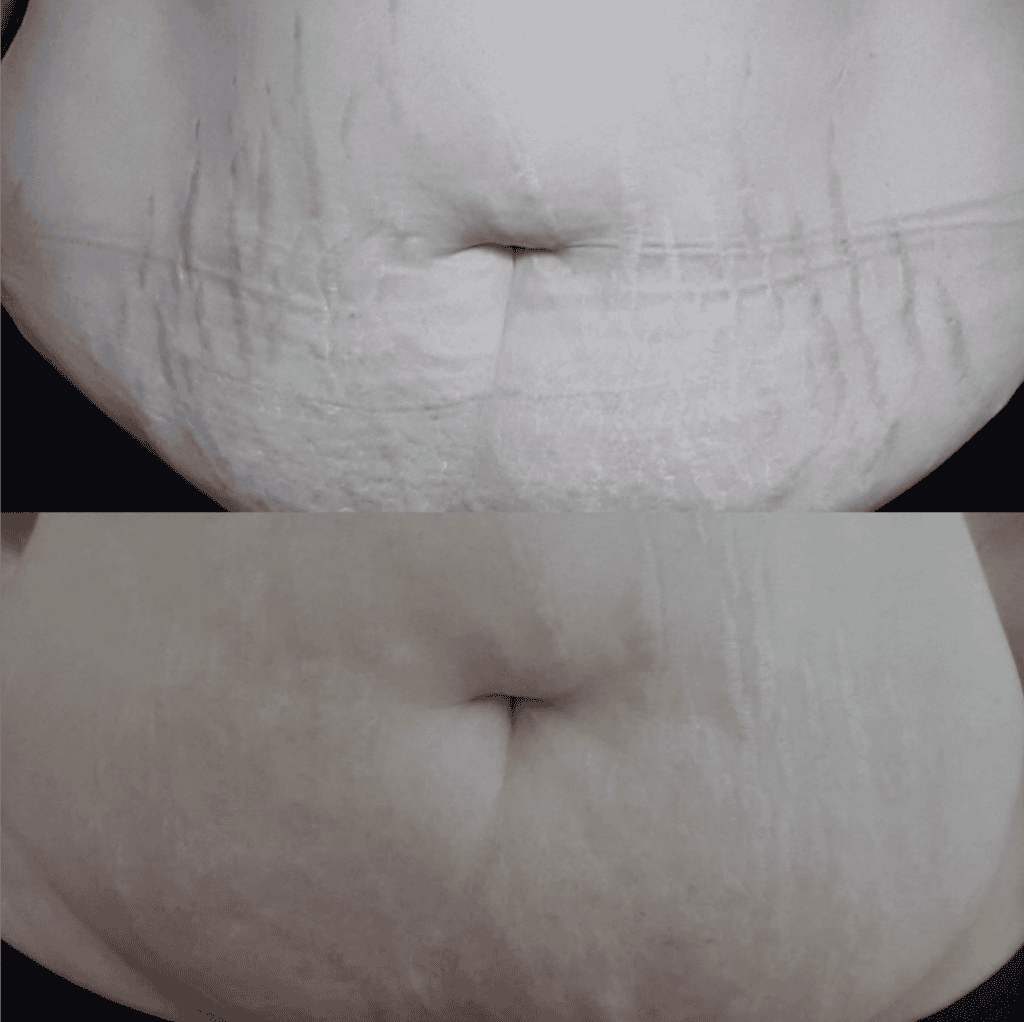
Real results from Premier Laser patients who completed a course of treatment. Individual results vary depending on the type and severity of the condition.




Treatment cost
Treatment is priced per session, with most patients needing a course of sessions for visible improvement. Prices for each recommended treatment are shown below.
From only £175.00 per session
Price: £200.00
Price: £349.00
Price: Original price was: £660.00.£495.00Current price is: £495.00.
What to expect afterwards
Recovery depends on the treatment, its intensity and the size of the area treated. Microneedling can leave the skin temporarily red, sensitive or swollen; laser resurfacing may also cause peeling or crusting.
Follow the aftercare instructions provided for your treatment. These should explain how to cleanse and protect the skin, which skincare products to pause, and when to resume exercise, swimming and other activities.
Protect treated skin from sun exposure and avoid picking or scratching while it heals.
Common concerns
The aim is to make stretch marks less noticeable and improve skin texture. Complete removal is not a realistic expectation.
Results vary, and changes from collagen-stimulating treatments develop gradually over weeks and months. More than one session may be needed, with time between appointments for healing and assessment.
Frequently asked
Treatment may improve their texture and visibility, but they may remain lighter than the surrounding skin. Your practitioner will assess the marks and explain what improvement may be achievable.
There may be suitable options, but an individual assessment is essential. Your practitioner will consider your skin tone, any previous pigmentation changes and the risks of the proposed treatment.
Speak to a medical professional before starting stretch mark treatment during pregnancy or breastfeeding. Tell your practitioner so they can advise on suitability and timing.
The cost depends on the treatment selected, the size of the area and the number of sessions recommended. View the pricing section above and discuss the total proposed course cost at your consultation.
As featured in







Ready to start?
Speak with one of our clinicians at any of our six London clinics. We'll assess your skin, recommend the right approach, and give you a clear cost for your course.
Our clinics

 Back to Clinics
 In Clinic Consultation
 Telephone Consultation