 中文服务




 6 Clinics Across London
 600,000 Treatments
 Free Consultation
 Award Winning Treatments
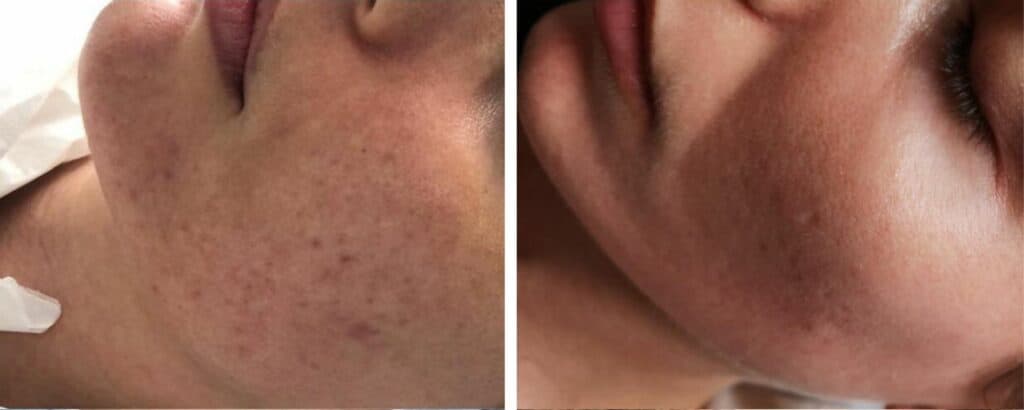
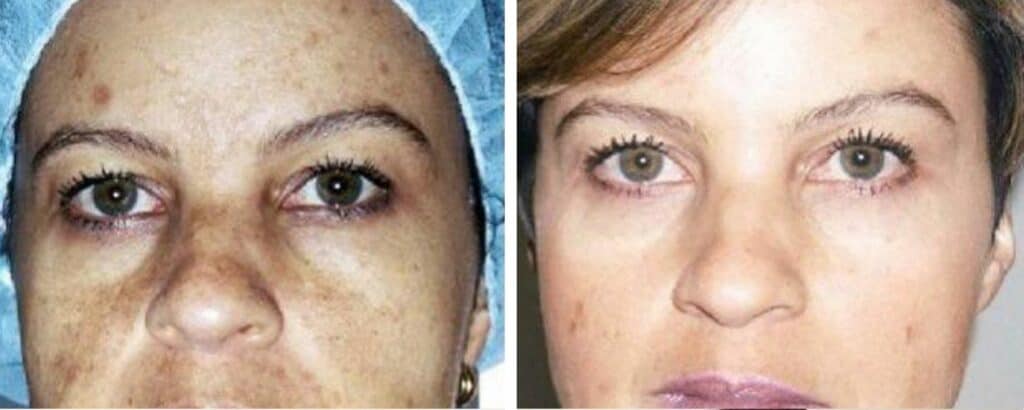
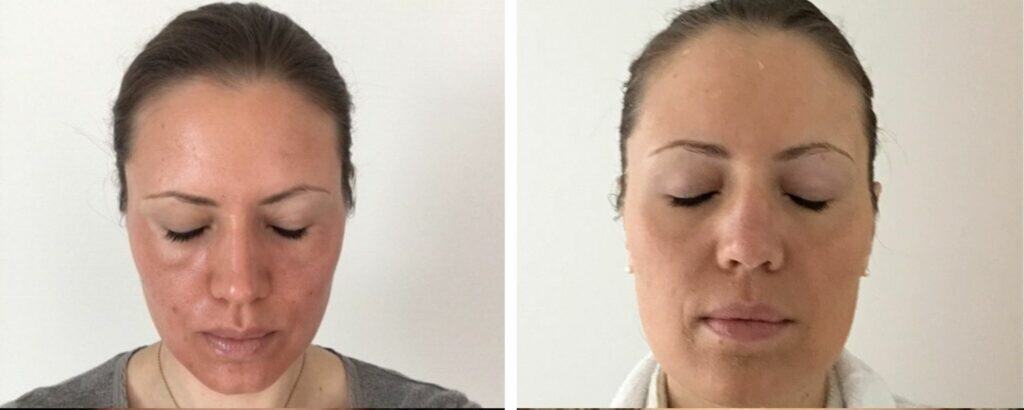
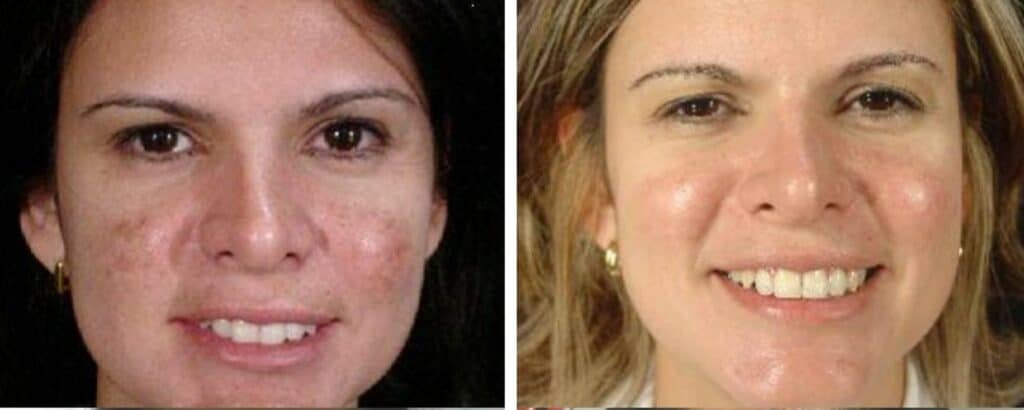
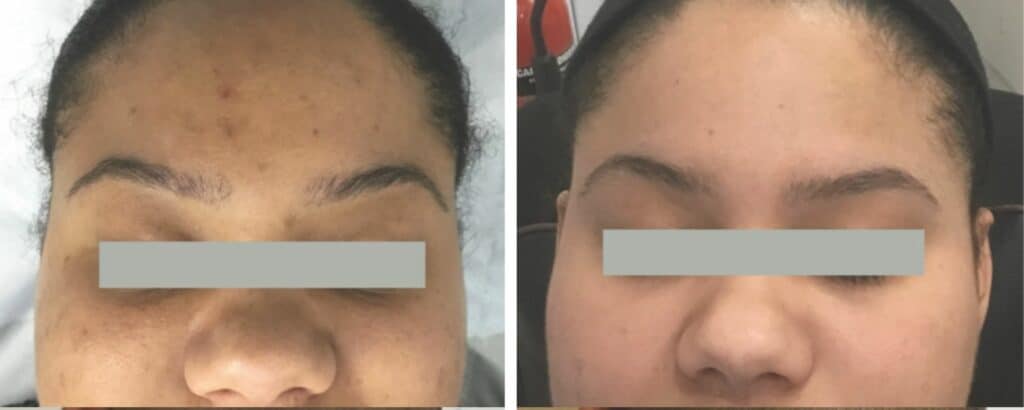
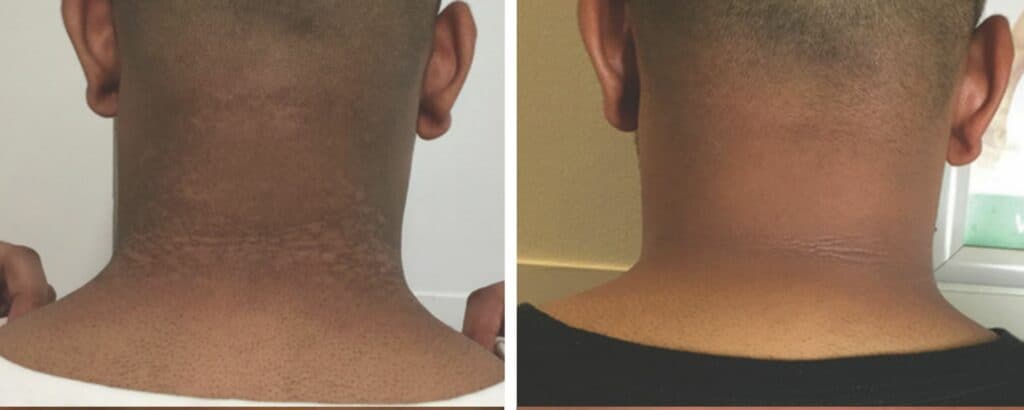
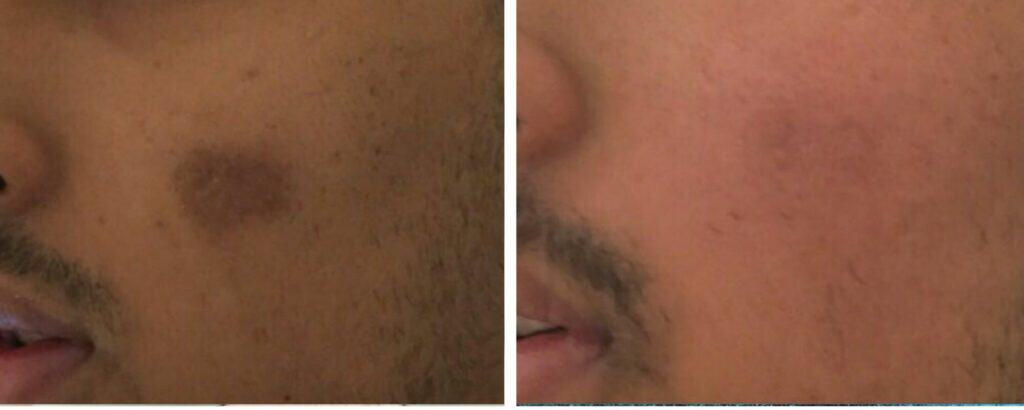
Why does skin change during and after pregnancy?
Pregnancy affects the skin in several ways. Hormonal changes can contribute to melasma and breakouts, while stretching can leave marks or areas of looser skin. Some changes settle naturally after birth; others remain for longer.
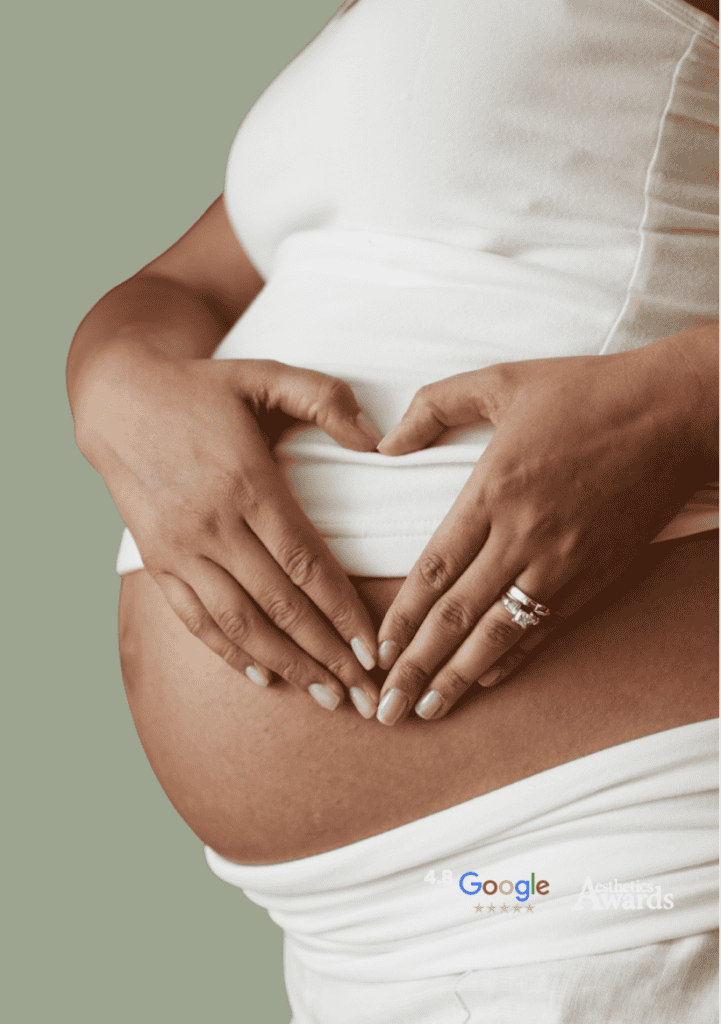
Changes in abdominal shape may involve skin, fat and the abdominal wall. Muscle separation, known as diastasis recti, needs a different assessment from a localised fat pocket. A consultation should establish what is contributing before you choose a cosmetic procedure.
Common skin and body concerns after pregnancy
You may notice darker patches on your face, stretch marks on your stomach or thighs, less skin firmness, congestion or a healed C-section scar. More than one concern can affect the same area.
Persistent abdominal doming, pain or pelvic-floor symptoms should be discussed with your GP or a pelvic-health physiotherapist. Cosmetic body treatment does not replace postnatal healthcare.
A treatment plan that respects your recovery
There is no deadline for making decisions about your post-pregnancy body. You can ask for advice about one concern, plan treatment for later or decide to leave things as they are.
At your consultation, we discuss your recovery, medical history, medication, breastfeeding and any recent surgery. We then explain which options may be appropriate, what improvement is realistic and whether waiting is the better next step. A routine postnatal check does not automatically establish suitability for every cosmetic treatment.
Aftercare that fits around daily life
Before booking, ask about recovery, lifting, exercise and caring for the treated area. Needling and laser procedures can require more planning than a facial. Follow the written instructions for your treatment and ask when to restart active skincare, swimming and exercise.
A wound that is becoming more painful, hot or discharging needs medical assessment. Do not apply cosmetic treatment products to an unhealed surgical wound.










 Back to Clinics
 In Clinic Consultation
 Telephone Consultation