 中文服务
中文服务







 6 Clinics Across London
 600,000 Treatments
 Free Consultation
 Award Winning Treatments


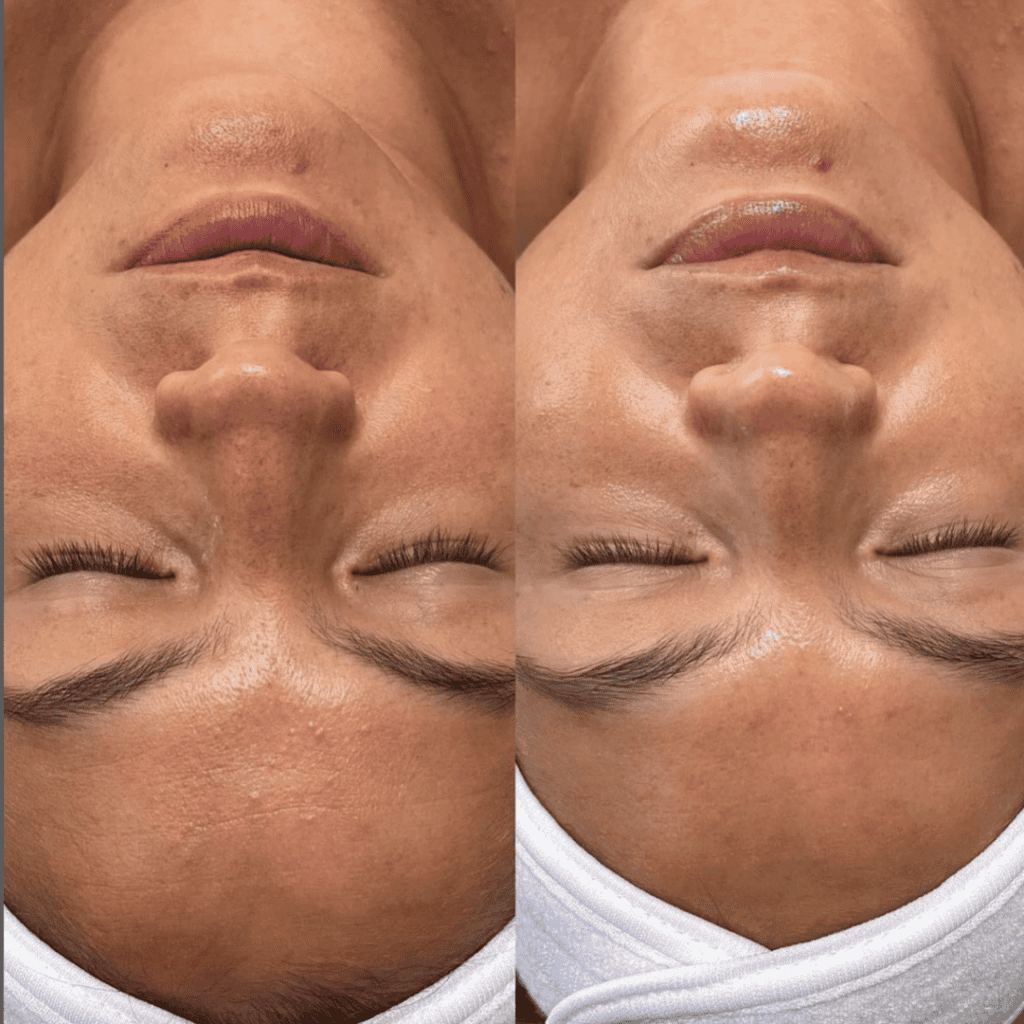

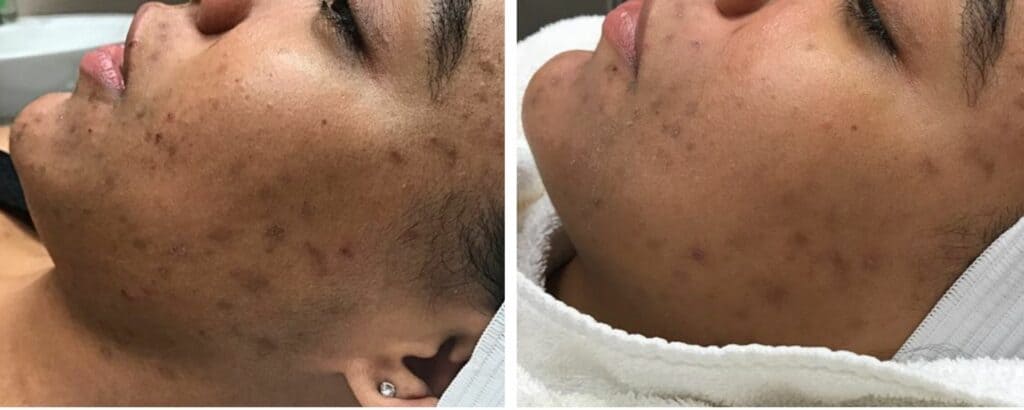
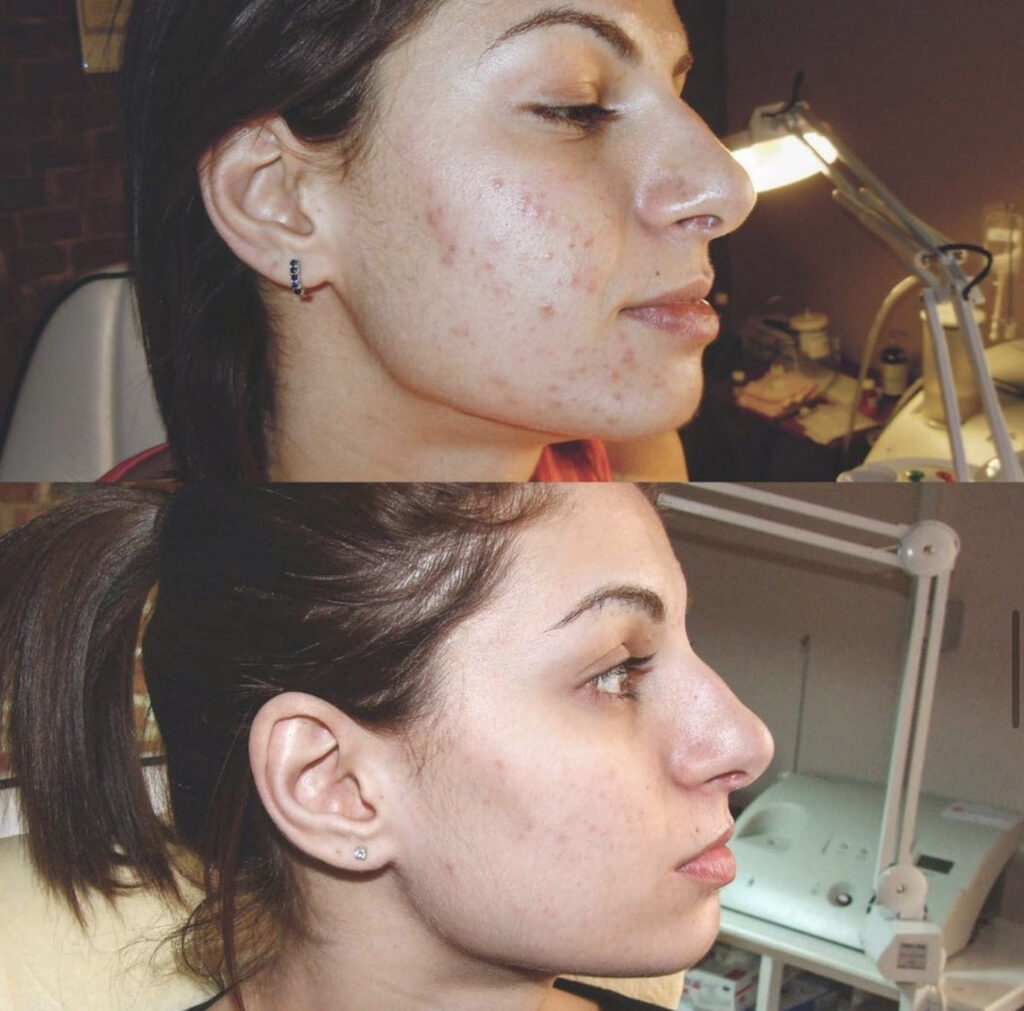
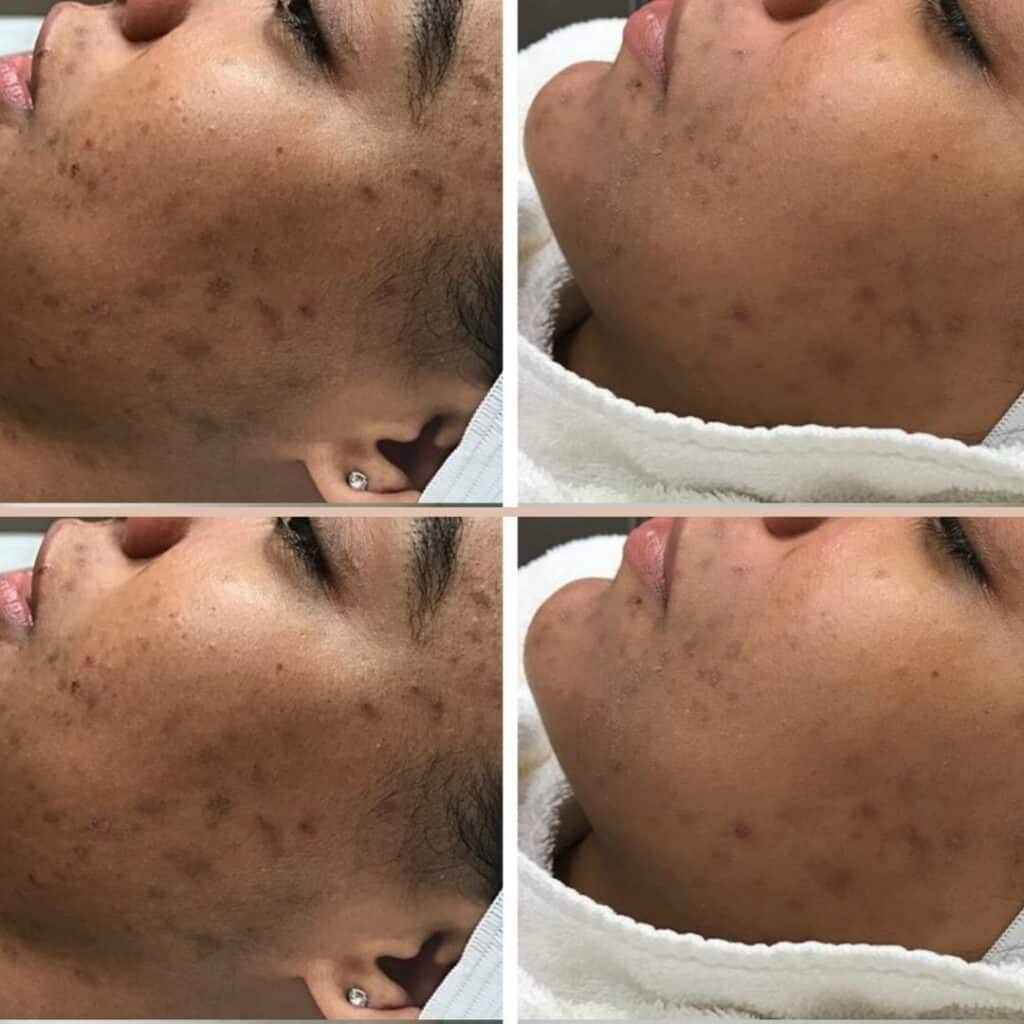
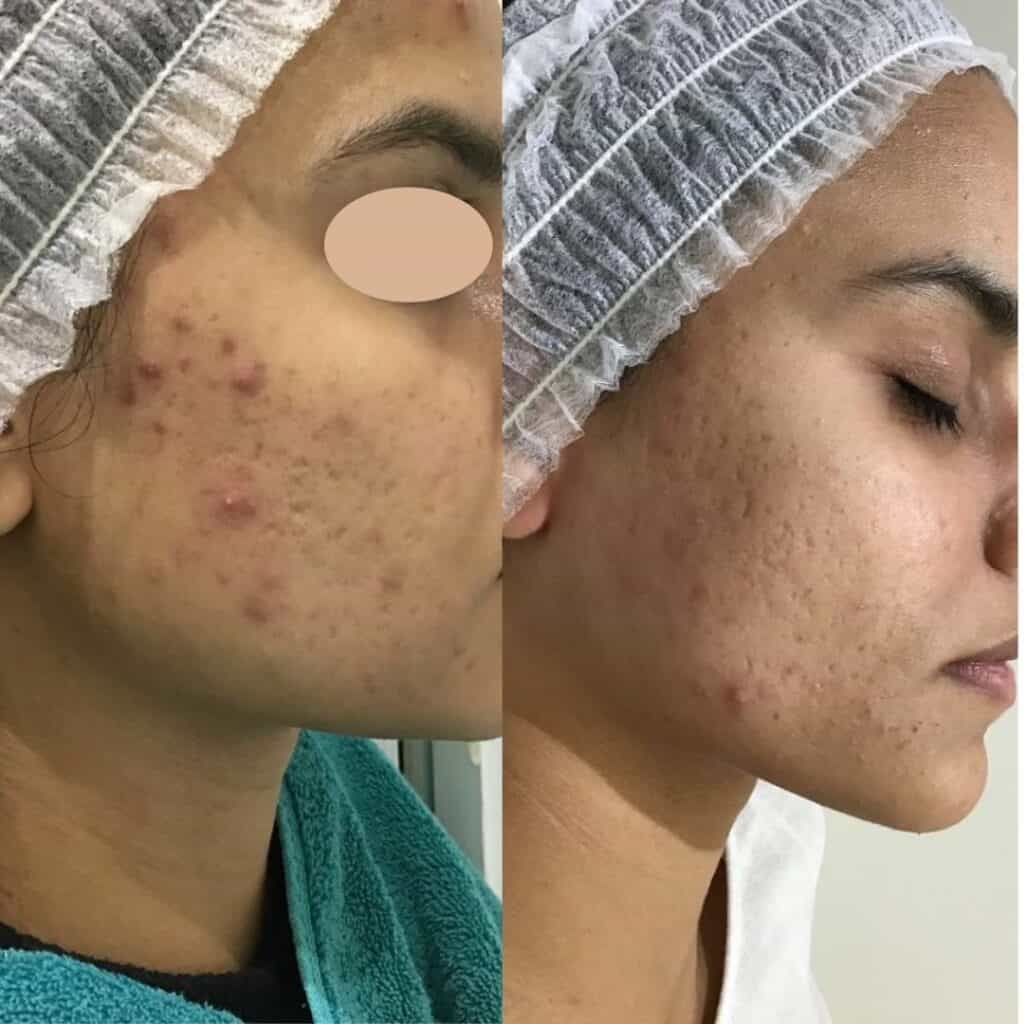
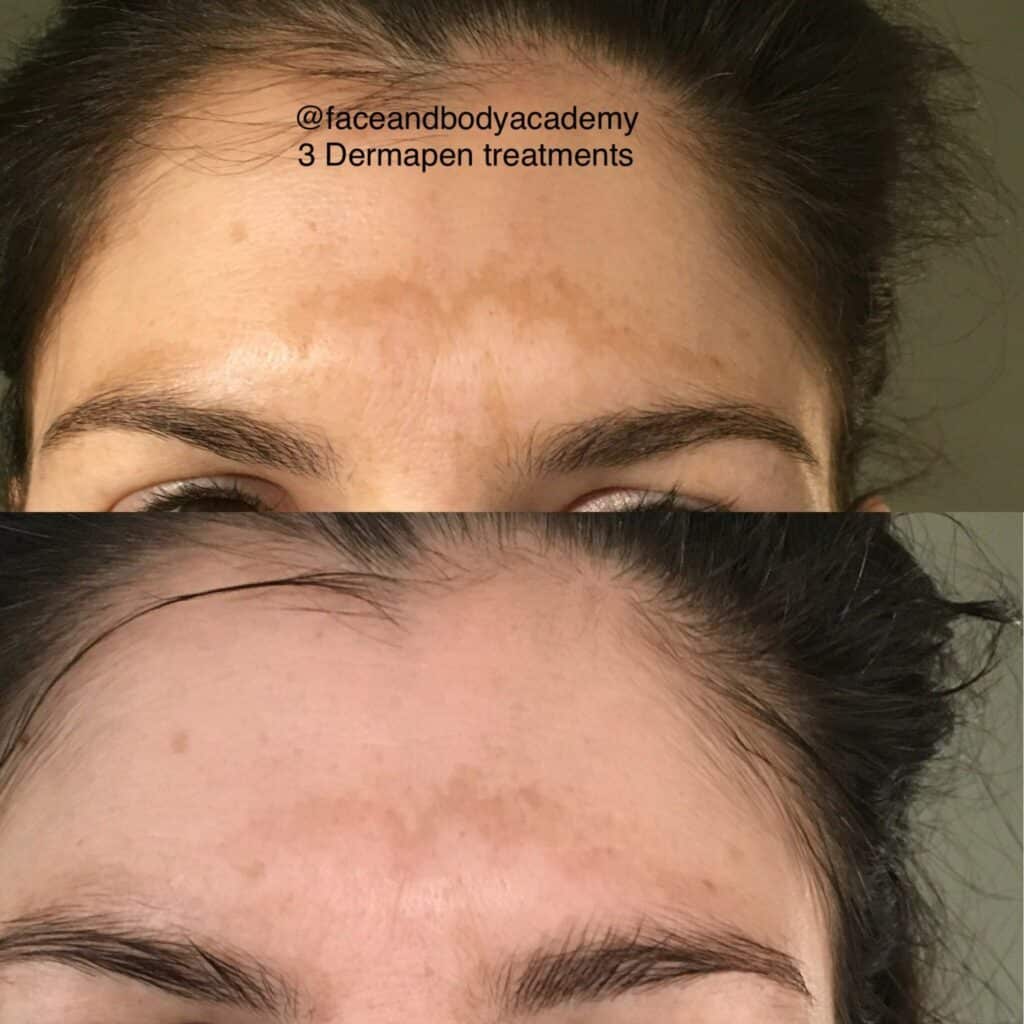
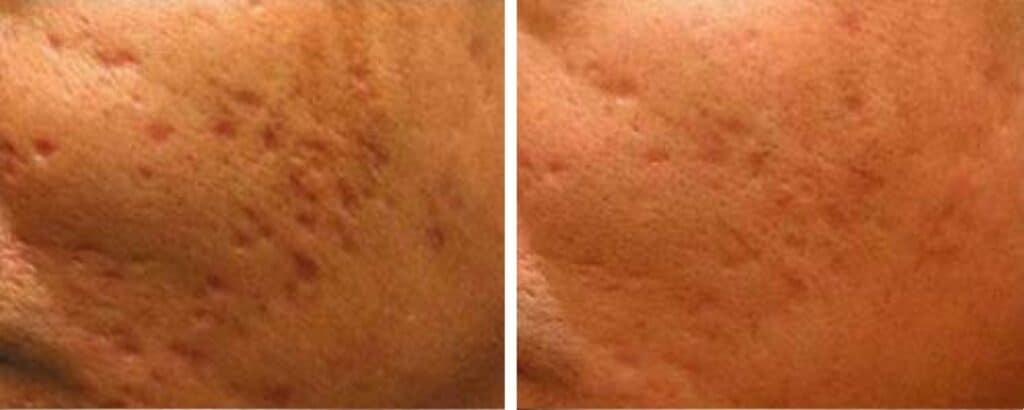
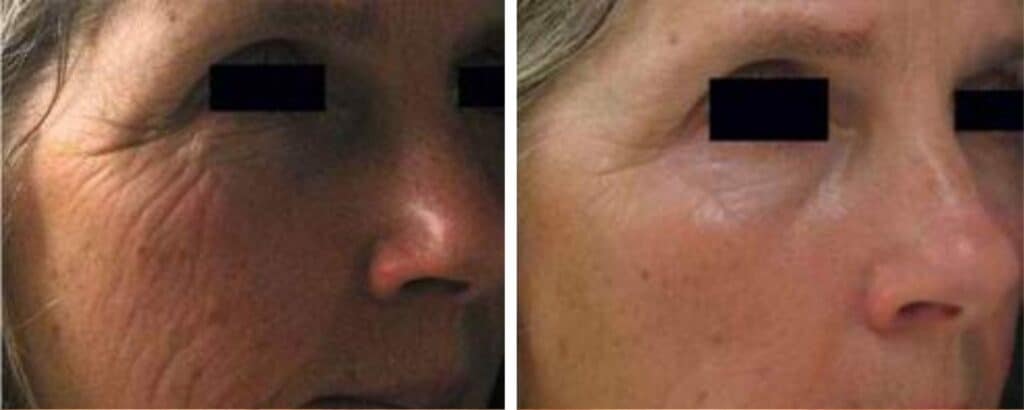
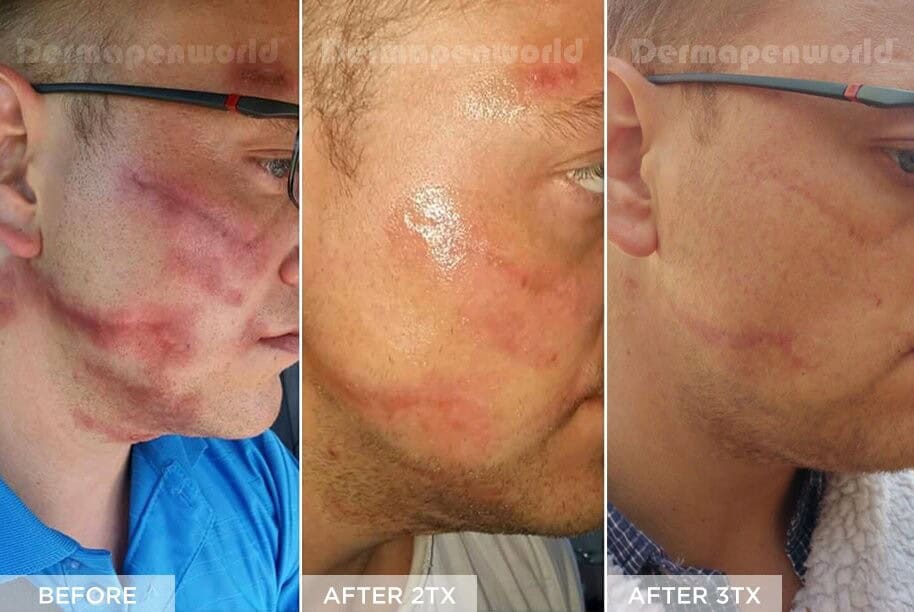
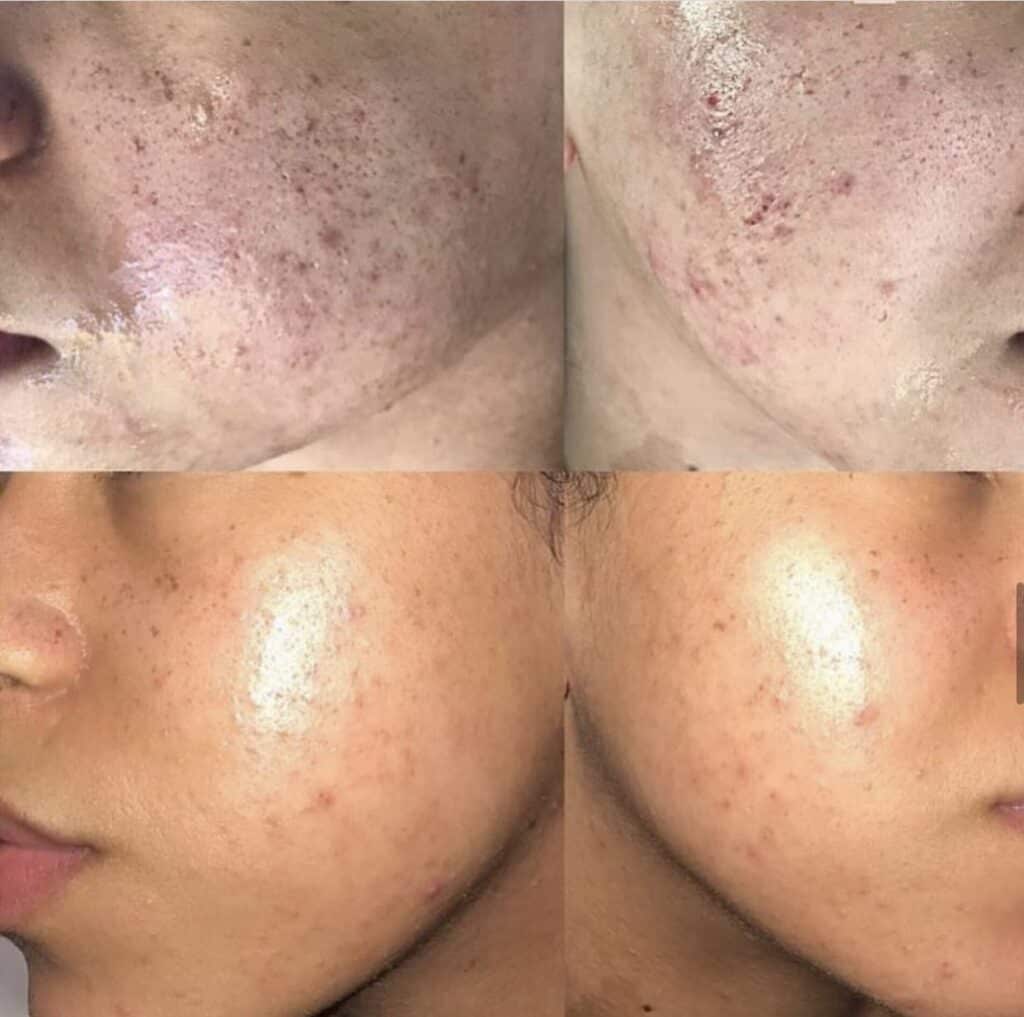
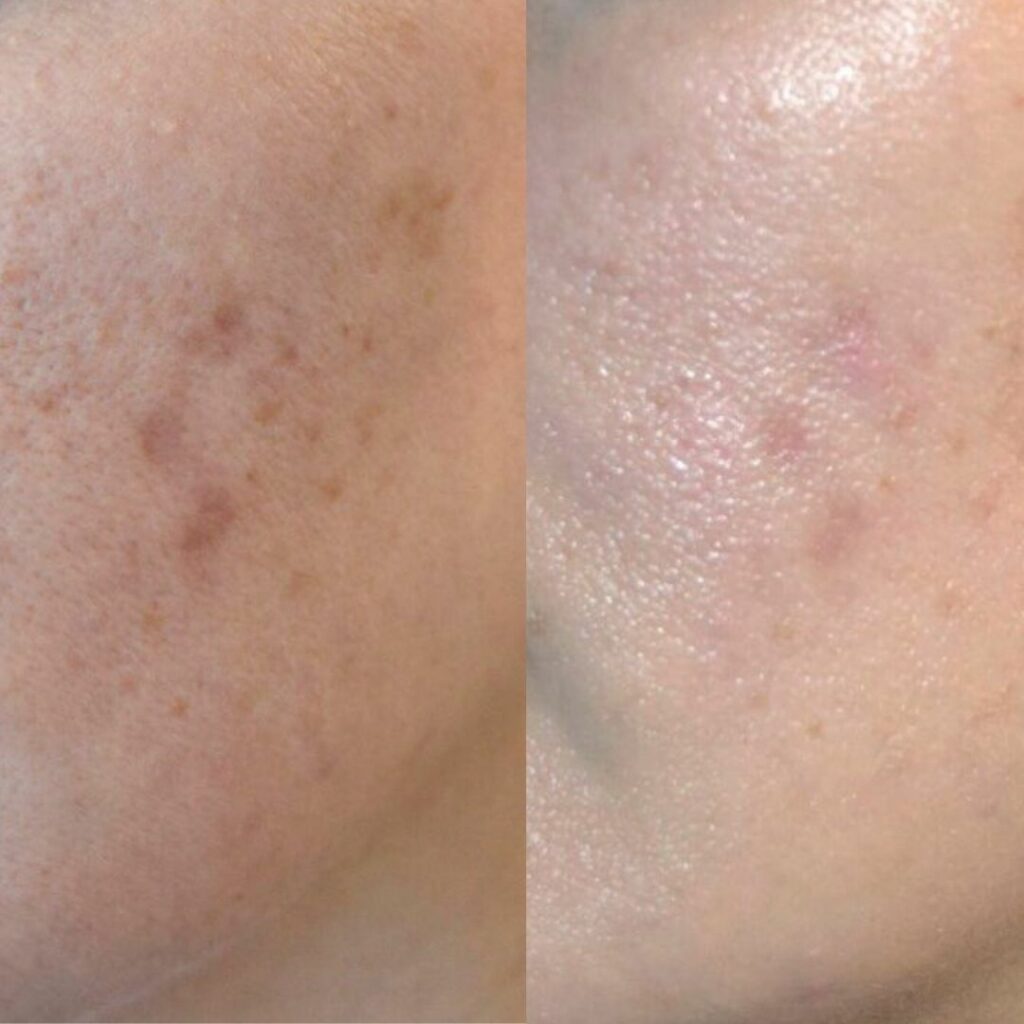
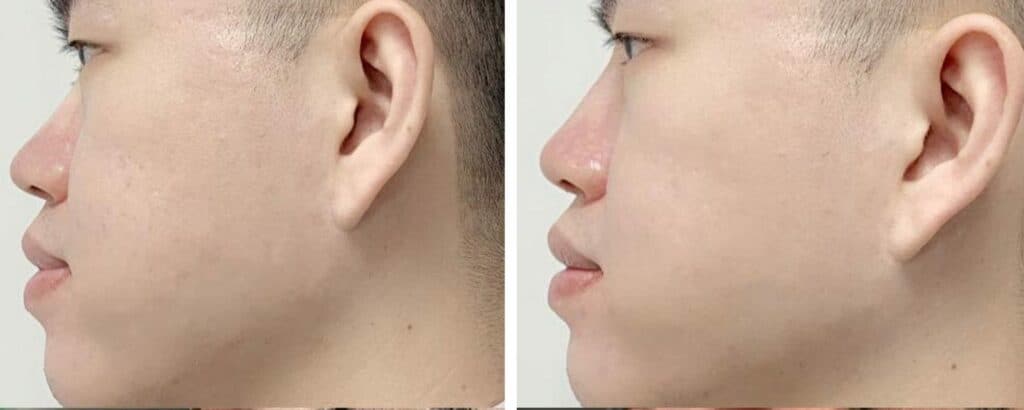
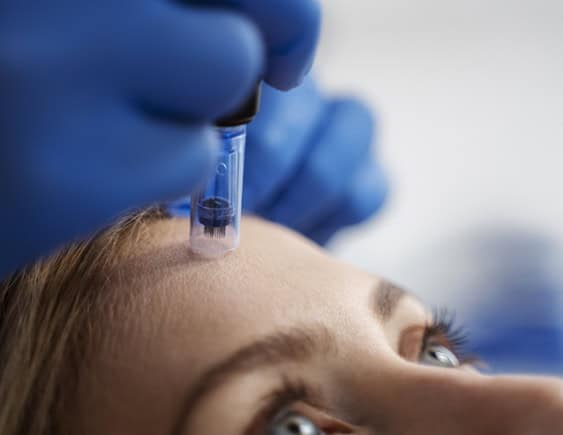
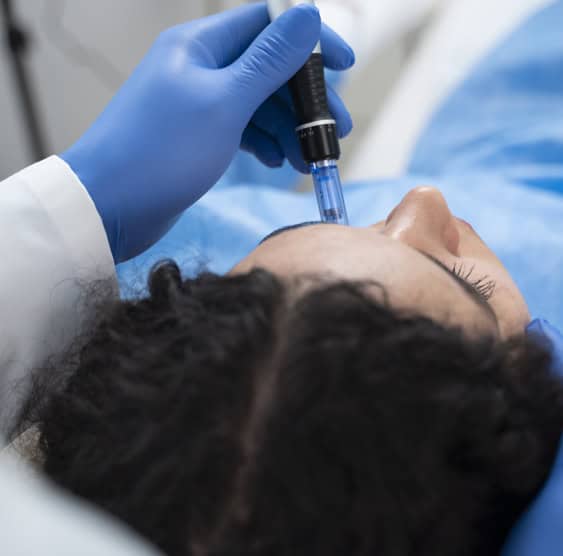
If you’re looking for an effective, non-invasive treatment that rejuvenates the skin and improves its texture, microneedling could be the solution. Over the past few years, this treatment has gained massive popularity due to its ability to address various skin concerns and deliver visible results with minimal downtime. Among the many options available, Dermapen microneedling stands out as a leading choice for those wanting a smoother, more youthful complexion.
What Skin Concerns Does Microneedling Address?
Microneedling is an incredibly versatile treatment that can address a wide range of skin concerns, including:
- Fine lines and wrinkles: Microneedling promotes collagen production, which helps smooth out fine lines and reduce the appearance of wrinkles.
- Acne scar treatment and other scarring: The treatment helps to break down scar tissue and stimulates new skin growth, leading to smoother, more even skin.
- Hyperpigmentation treatment: Microneedling can help even out skin tone by promoting the turnover of skin cells.
- Enlarged pores: By stimulating collagen in the surrounding skin, microneedling can reduce the appearance of large pores.
- Stretch mark removal: Similar to how it works on scars, microneedling can help fade stretch marks over time.
- Sun damage: With its ability to promote healthy skin cell turnover, microneedling can improve the appearance of sun-damaged skin.
Which Skin Types Are Suitable?
Microneedling is a versatile treatment suitable for most skin types and tones. Whether you have dry, oily, or combination skin, this treatment can effectively address a variety of concerns. However, the key is to understand how microneedling interacts with different skin types:
- Normal Skin: People with normal skin can benefit from microneedling to maintain a healthy complexion, reduce early signs of ageing, and keep the skin firm and smooth.
- Oily and Acne-Prone Skin: Microneedling is particularly beneficial for those with oily or acne-prone skin, as it helps to reduce the appearance of acne scars, improve texture, and even out the skin tone. It can also help reduce the appearance of large pores, which is often a concern for those with oily skin.
- Dry Skin: Those with dry skin can also undergo microneedling, but it’s important to ensure the skin is properly hydrated before and after treatment to avoid excessive dryness or irritation. Microneedling helps to stimulate collagen production, which can improve hydration levels and skin elasticity over time.
- Sensitive Skin: While microneedling is generally safe for sensitive skin, individuals with very sensitive skin should proceed with caution. It’s essential to consult with a trained professional to determine the best settings for your skin type, as sensitive skin may experience more redness or irritation post-treatment.
- Darker Skin Tones: Microneedling is safe for darker skin tones and does not pose the same risks of hyperpigmentation as some laser treatments might. In fact, it can help even out pigmentation issues and improve overall skin clarity.
The only people who may need to avoid microneedling are those with active skin infections, severe eczema, or rosacea, as the treatment could exacerbate these conditions. A consultation with our practitioners is essential to determine if microneedling is the right choice for your specific skin concerns.













 Back to Clinics
 In Clinic Consultation
 Telephone Consultation