 中文服务
中文服务







 6 Clinics Across London
 600,000 Treatments
 Free Consultation
 Award Winning Treatments
6 Clinics Across London
600,000 Treatments
Free Consultation
Award Winning Treatments
Award Winning Treatments
6 Clinics Across London
600,000 Treatments
Free Consultation
Award Winning Treatments
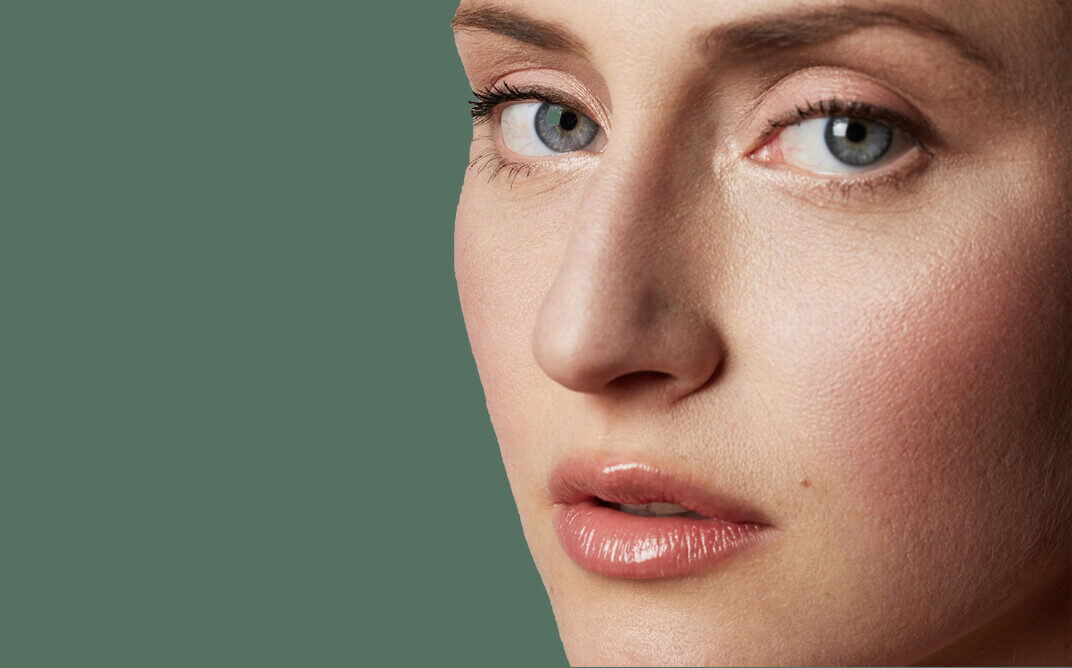
Milia are small, firm, white or yellowish bumps caused by keratin trapped beneath the skin’s surface. At Premier Laser & Skin, we offer milia removal in London using advanced electrolysis, following an assessment to confirm the bumps and determine whether treatment is suitable.
How we help
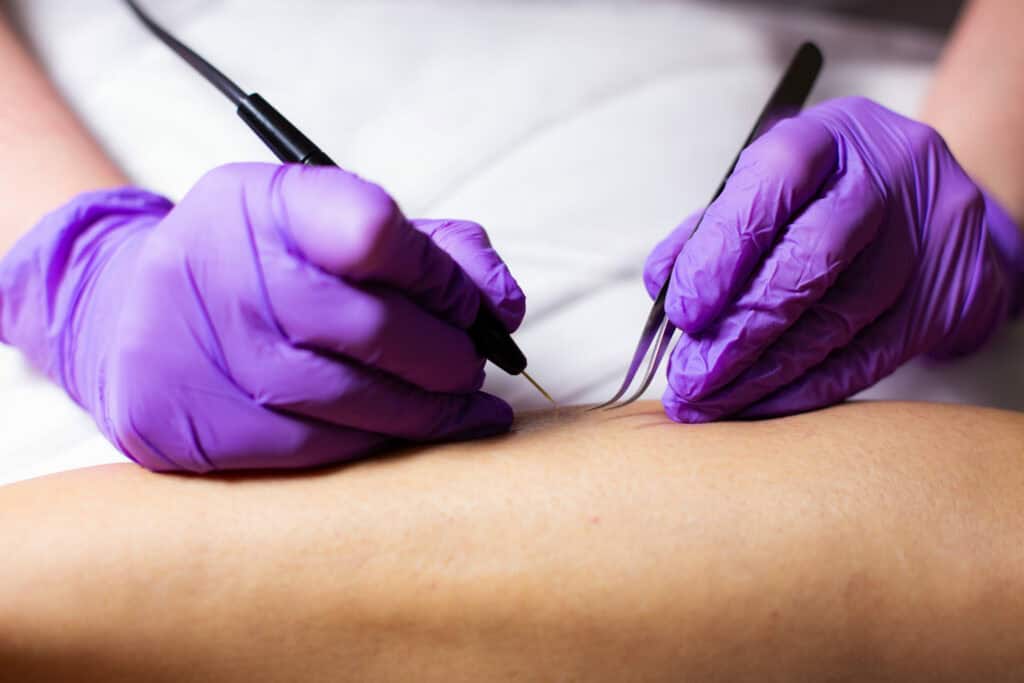
At Premier Laser & Skin Clinic, we use advanced electrolysis to treat suitable milia individually at our Liverpool Street Clinic.
Assessment Before Treatment
Your practitioner will examine the bumps, review your medical history and explain whether removal is appropriate. They will discuss the treatment, possible side effects, expected healing and the number of appointments you may need.
Bumps close to the eye or on the eyelid require particular care. Treatment suitability depends on their exact position and the practitioner’s assessment.
How Advanced Electrolysis Works
A fine sterile probe delivers carefully controlled electrical energy to the individual milium. The technique uses localised heat to treat the small cyst.
You may feel a brief sensation of heat or stinging. Your practitioner will explain what to expect and discuss comfort before starting.
What Happens Afterwards?
The treated area needs time to heal. Temporary redness, slight swelling or a small crust may develop. Allow any crust to come away naturally.
Some milia may need a further appointment, particularly if they are larger or there are several to treat. Removing existing milia does not prevent new ones from forming in future.
Understanding the condition
What Causes Milia?
Milia form when keratin, a protein found in the skin, becomes trapped beneath the surface and forms a tiny cyst.
Some develop without an obvious trigger. These are known as primary milia. Others, called secondary milia, can appear as the skin heals after a burn, blistering condition, injury or certain resurfacing procedures.
Certain topical medicines, including prolonged use of steroid creams, can sometimes be associated with milia. Tell your practitioner about any medication you use, but do not stop prescribed treatment without medical advice.
Milia can occur at different ages and are not simply a sign of ageing skin.
What to look for
What Do Milia Look Like?
Milia usually appear as:
They are usually painless and sit within otherwise normal-looking skin. Unlike inflamed acne, they do not typically develop into red, pus-filled spots.
Other skin conditions can look similar. A bump that becomes painful, bleeds, changes noticeably or affects the eyelid margin should be medically assessed before cosmetic removal.
More about this condition
Understanding Milia and Milk Spots
Milia are sometimes called milk spots. They are small, harmless cysts containing keratin and are different from acne whiteheads.
Some clear naturally, while others remain for months or longer. Confirmed milia do not normally require treatment, but professional removal may be an option if their appearance bothers you.
At Premier Laser & Skin Clinic, we assess the bumps before recommending treatment. Your consultation considers their number, location, your skin and any relevant medical history.
This is particularly important around the eyes, where several different conditions can cause small bumps. If the diagnosis is uncertain or the area needs specialist care, medical assessment may be recommended.
Treatment cost
Treatment is priced per session, with most patients needing a course of sessions for visible improvement. Use the cost finder to compare your options.
What to expect afterwards
Aftercare Following Milia Removal
Follow the individual aftercare instructions provided by your practitioner.
Healing time varies with the number, size and location of the treated milia.
Common concerns
Small white bumps commonly appear beneath the eyes or on the eyelids. Their exact position needs assessment before deciding whether cosmetic treatment is appropriate.
Some milia remain despite a regular skincare routine. Professional assessment can confirm the cause and establish whether targeted removal may help.
Several milia can develop close together on the cheeks, forehead or other areas. The number and location help determine how treatment should be planned.
New milia can develop after existing ones have been treated. A review of your skin history and skincare may help identify contributing factors, although recurrence cannot always be prevented.
Frequently asked
No. Milia are small cysts containing keratin beneath the skin’s surface. Whiteheads are a form of acne involving blocked pores. They can look similar, so assessment is important before choosing treatment.
Some clear naturally, but others can persist for months or longer. Confirmed milia are harmless and can be left alone. Removal is usually a cosmetic choice.
Avoid squeezing, scraping or using a needle yourself. This can damage the skin and cause infection, pigmentation changes or scarring, particularly around the eyes. Seek professional assessment if the bumps bother you.
We offer advanced electrolysis for suitable milia. A fine sterile probe delivers controlled electrical energy to treat each cyst. Your practitioner will assess the area and explain the procedure and aftercare before treatment.
Some milia around the eyes may be suitable for treatment, depending on their precise location. Bumps on the eyelid margin or very close to the eye may require specialist assessment. Suitability must be confirmed before booking removal.
You may feel brief heat or stinging during advanced electrolysis. Sensitivity varies according to the area and the individual. Your practitioner will explain what to expect and discuss comfort measures beforehand.
This depends on the number, size and location of the milia. Some can be treated in one appointment; others may need further treatment after the skin has healed. Your practitioner will explain the proposed plan.
Scarring is a possible risk, although careful technique and appropriate aftercare help reduce it. Temporary redness or crusting can occur, and lighter or darker marks may develop. Avoid picking the treated skin and follow your aftercare instructions.
Yes. Treatment addresses the existing milia, but new cysts can develop. Skincare advice may help manage contributing factors, although no treatment can guarantee that you will never develop milia again.
The price depends on the appointment length and the amount of treatment needed. Our team will confirm the appropriate option and total cost after assessing the area. A review or further treatment may sometimes be required.
Please contact our booking team to confirm the clinic and practitioner offering advanced electrolysis for milia. Mention where the bumps are located, especially if they are close to the eyes, so the team can arrange the appropriate assessment.
As featured in







Ready to start?
Speak with one of our clinicians at any of our six London clinics. We'll assess your skin, recommend the right approach, and give you a clear cost for your course.
Our clinics

 Back to Clinics
 In Clinic Consultation
 Telephone Consultation