 中文服务
中文服务




 6 Clinics Across London
 600,000 Treatments
 Free Consultation
 Award Winning Treatments

When it comes to enduring pain for the sake of beauty or self-expression, both tattoos and laser hair removal are common contenders. Whether you’re removing inks with an unmeaningful design or saying goodbye to unwanted hair, there’s one question that always arises: What hurts more—tattoos or laser hair removal?
The answer isn’t entirely straightforward, as pain is subjective and depends on various factors. Let’s explore the sensations, what to expect, and how you can minimise discomfort during these procedures.
The Pain of Laser Tattoo Removal
Laser tattoo removal uses intense pulses of light, such as picosure laser to break down tattoo ink particles in the skin, allowing the body’s immune system to flush them out over time. While effective, the process can be uncomfortable for several reasons:
- Intensity: The laser targets pigments deep within the skin, often requiring higher energy levels, which can feel more intense.
- Area of the Tattoo: Tattoos on sensitive areas, such as the ribs, feet, or hands, are typically more painful to remove than those on fleshier or less nerve-dense regions.
- Size and Colour of the Tattoo: Larger tattoos or those with dark, vibrant colours may require more energy and longer treatment times, increasing discomfort.
The sensation is often described as similar to snapping a rubber band on the skin, combined with a heat or stinging sensation. Some people compare it to getting a tattoo, but with sharper, shorter bursts of pain.
The Pain of Laser Hair Removal
Laser hair removal London treatment targets the pigment in hair follicles to prevent regrowth. While less intense than tattoo removal, it can still cause discomfort depending on:
- Treated Area: Sensitive areas like the bikini line or underarms may feel more painful, while larger areas like the legs or arms are usually easier to tolerate.
- Skin and Hair Type: Darker, coarser hair absorbs more laser energy, which can intensify the sensation.
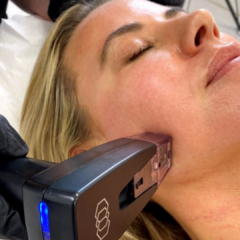
- Equipment Used: Modern laser systems often include cooling technology or numbing features to reduce discomfort.
The sensation during laser hair removal is often compared to quick zaps or the snap of a rubber band. It’s sharp but fleeting, and the discomfort diminishes quickly after each pulse.
What Hurts More-Tattoo or Laser Hair Removal?
1. Depth of the Laser
Laser tattoo removal tends to hurt more because it penetrates deeper into the skin to break down ink particles, whereas laser hair removal targets shallower hair follicles.
2. Sensation and Duration
Laser tattoo removal delivers short, sharp bursts of heat and light that can feel intense, especially for darker tattoos or sensitive areas. Sessions are shorter, focusing on the specific tattooed area, but multiple sessions are usually required.
Laser hair removal, on the other hand, involves a series of zaps over a larger area, with discomfort that is generally less intense but more prolonged due to the size of the treatment area.
3. Post-Treatment Sensitivity
Tattoo removal can leave the treated area feeling tender, similar to a sunburn, and healing can take several days. Hair removal typically results in minor redness or swelling that subsides within a few hours.
Verdict: Most people who’ve experienced both procedures agree that laser tattoo removal is more painful than laser hair removal. The deeper penetration and higher energy levels required for tattoo removal result in more intense sensations.
Tips to Minimise Discomfort
For both treatments, there are ways to reduce pain and make the experience more manageable:
- Apply Numbing Cream: A topical anaesthetic can help dull the sensations for both tattoo and hair removal.
- Stay Hydrated: Well-hydrated skin is more resilient and less sensitive.
- Choose a Skilled Technician: Our experienced professionals use the latest technology and techniques to minimise discomfort like cooling devices.
- Take Breaks: For tattoo removal, you can request short pauses during the session if it becomes too intense.
- Cool the Skin: Many laser devices include cooling systems, during the session that can help soothe the treated area.
Final Thoughts
When it comes to pain, laser tattoo removal is typically more intense than laser hair removal due to the deeper penetration and higher energy levels required to break down tattoo ink. However, both procedures are bearable, and the discomfort is short-lived compared to the long-term benefits. Whether you’re removing a regrettable tattoo or opting for smooth, hair-free skin, advancements in laser technology ensure that both treatments are as comfortable and effective as possible.
With a little preparation and the right mindset, you can confidently face either treatment and achieve your desired results.











 Back to All Treatments
 In Clinic Consultation
 Telephone Consultation