 中文服务
中文服务




 6 Clinics Across London
 600,000 Treatments
 Free Consultation
 Award Winning Treatments

Fat freezing, known medically as cryolipolysis or Coolsculpting, is a popular non-invasive body contouring treatment that eliminates stubborn fat. The procedure has garnered widespread attention as an alternative to more invasive methods such as liposuction. However, many patients have one common question: Do you see results immediately after fat freezing?
Understanding the Fat Freezing Process
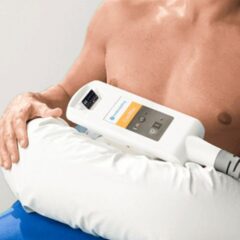
Fat freezing works by targeting fat cells beneath the skin without damaging the surrounding tissues. During the procedure, the fat cells are exposed to extremely low temperatures, causing them to crystallise. This crystallisation leads to the breakdown of the fat cells, which the body then eliminates naturally through the lymphatic system.
While the procedure itself is relatively quick, usually lasting between 30 minutes to an hour, depending on the treatment area, the results do not appear instantly. Unlike liposuction, which removes fat cells directly, cryolipolysis relies on the body’s natural processes to dispose of the damaged fat cells. This means that time is a crucial factor in achieving visible results.
The Timeline for Visible Results
Immediately after the fat-freezing session, patients are unlikely to see a noticeable difference in the treated area. In fact, the area may appear slightly swollen or reddened due to the cold temperatures and suction applied during the procedure. These minor side effects usually subside within a few hours to a few days.
The first signs of fat reduction typically begin to appear after a few weeks, as the body starts to process and remove the dead fat cells. However, it is important to manage expectations, as the initial changes can be subtle. The most significant improvements are usually observed between 8 to 12 weeks post-treatment. By this point, the body has had enough time to eliminate a substantial amount of the targeted fat cells, leading to a more noticeable reduction in fat and an improvement in body contour.
For some individuals, the full results might not be visible until around 4 to 6 months after the procedure. This extended timeline is because the body continues to remove the fat cells over time, and each person’s metabolism and lymphatic system work at different rates.
Factors Affecting Results
The rate at which results appear can vary based on several factors, including the individual’s metabolism, the area being treated, and the amount of fat targeted. Individuals with faster metabolisms may see results sooner, as their bodies are more efficient at processing and eliminating the damaged fat cells. Similarly, areas with thicker fat deposits may take longer to show noticeable improvements.
In addition to individual factors, lifestyle choices can also impact the speed and effectiveness of results. Maintaining a healthy diet and exercise routine is essential for maximising the outcomes of fat freezing. While the procedure can reduce fat in specific areas, it does not prevent new fat cells from forming if a person gains weight. Therefore, it is important to continue leading a healthy lifestyle to maintain the results over time.
Multiple Treatments for Optimal Results
Another consideration is that a single fat-freezing session may not be sufficient for everyone. Depending on the amount of fat in the treatment area and the desired outcome, multiple sessions may be necessary to achieve optimal results. Each session gradually reduces the fat layer, and combining treatments can enhance the overall effect.
Patients often notice the cumulative impact of multiple sessions more significantly, with each treatment building on the results of the previous one. Therefore, if initial results are not as pronounced as expected, additional sessions may help in achieving the desired contour.
In summary, while fat freezing is an effective method for reducing stubborn fat, it is not a quick fix. Patients should not expect to see immediate results after the procedure. Instead, the body requires time to process and eliminate the damaged fat cells, with visible results typically emerging within a few weeks to a few months post-treatment. Factors such as individual metabolism, treatment area, and lifestyle choices can all influence the speed and effectiveness of the results. Patience, along with maintaining a healthy lifestyle, is key to achieving and sustaining the desired outcome.









 Back to All Treatments
 In Clinic Consultation
 Telephone Consultation