 中文服务
中文服务




 6 Clinics Across London
 600,000 Treatments
 Free Consultation
 Award Winning Treatments
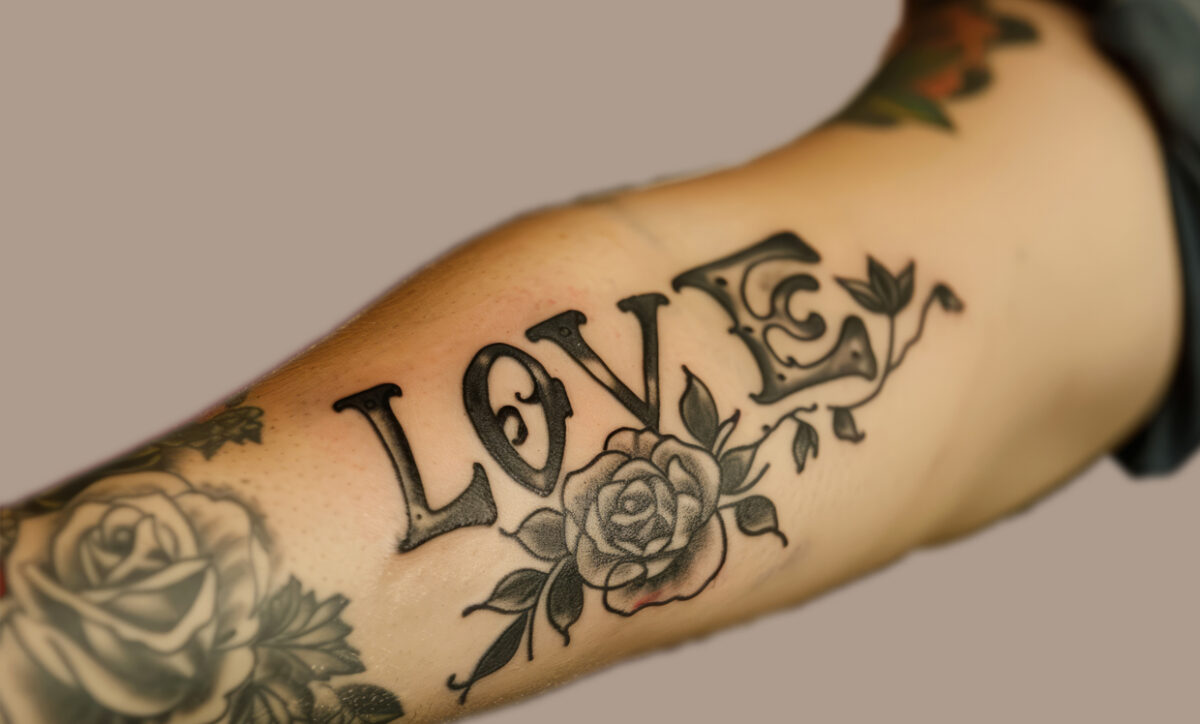
Love is a beautiful thing—until it’s not. What once felt like a grand romantic gesture can quickly turn into an unwelcome reminder of the past, especially when it’s permanently inked onto your skin. If you’re carrying the name of an ex-partner on your body, Valentine’s Day might feel like a less-than-joyful occasion. If you’re wondering how to remove an ex’s name tattoo, the answer lies in advanced laser tattoo removal—so you don’t have to let an old tattoo hold you back from embracing new love.
For those in love, about to get engaged or tie the knot, saying goodbye to an ex’s name can be an important step before making a lifelong commitment. And thanks to modern laser technology like PicoSure and Q-Switch lasers, tattoo removal is now faster and more effective than ever.
Why Do So Many People Remove Name Tattoos?
Getting a tattoo of a partner’s name often symbolises deep commitment at the time, but as relationships evolve, so do our feelings. Whether it’s moving on from an old relationship, preparing for a new marriage, or simply wanting a fresh start, laser tattoo removal has become increasingly popular for those wanting to erase romantic regrets.
Many couples also see engagement and marriage as a new beginning, making it the perfect time to clear away the past—literally. After all, no one wants their wedding day to include awkward questions about an old tattoo.
How Does Laser Tattoo Removal Work?
Tattoo ink sits deep within the dermis, making it resistant to fading naturally. Laser tattoo removal works by breaking down ink particles into tiny fragments, which are then cleared by the body’s immune system. Both PicoSure and Q-Switch lasers are highly effective for this process, using light energy to target the ink without damaging the surrounding skin.
- PicoSure Laser is one of the most advanced tattoo removal technologies available today. It uses ultra-short picosecond pulses to break up ink into even finer particles, making it easier for the body to clear. This method is faster and often requires fewer sessions compared to traditional lasers.
- Q-Switch Laser has been the industry standard for years and remains highly effective, especially for darker ink colours. It delivers bursts of energy that gradually break down the tattoo over multiple sessions.
The number of sessions needed depends on factors such as tattoo size, ink colour, depth, and skin type, but most name tattoos can be significantly faded or completely removed within a few months.
How Soon Should You Start?
If you’re planning to propose or walk down the aisle soon, it’s best to start laser tattoo removal as early as possible. While some small tattoos may fade quickly, most will require several sessions spaced weeks apart to allow the skin time to heal.
For those looking to make a clean break before Valentine’s Day, it’s important to be realistic about the timeline. Laser tattoo removal is a gradual process, requiring multiple sessions to fully break down the ink. While starting treatment now won’t erase the tattoo in time for Valentine’s Day, it’s a powerful first step—a promise to yourself and to your significant other that you’re leaving the past behind and prioritising your future together.
Even after the first session, the fading process begins, and within a few months, the ink will be significantly lighter or completely gone—just in time for a fresh chapter in your love story. Whether you’re preparing to propose, get married, or simply move forward with confidence, taking action now sends a clear message: your current relationship is more important than a name from the past.
Does It Hurt?
Many people worry about the discomfort of laser tattoo removal, but the process is generally tolerable. It’s often described as feeling similar to a rubber band snapping against the skin, with treatment times lasting just a few minutes per session. Advanced cooling techniques are also used to minimise discomfort.
How to Remove an Ex’s Name Tattoo
Whether you’re getting engaged, planning a wedding, or simply ready to leave the past behind, removing an ex’s name tattoo can be an empowering experience. Thanks to the latest in laser technology, saying goodbye to old ink is quicker and easier than ever before.
This Valentine’s Day, make it about new love, new beginnings, and a clean slate. If you’re considering tattoo removal, booking a consultation with our laser specialists is the first step towards finally parting ways with that unwanted name—just in time for your next chapter.














 Back to All Treatments
 In Clinic Consultation
 Telephone Consultation