 中文服务
中文服务







 6 Clinics Across London
 600,000 Treatments
 Free Consultation
 Award Winning Treatments

Hair removal treatments are often seen as the ultimate solution for smooth, hair-free skin, but what happens when they have the opposite effect? While IPL (Intense Pulsed Light) and laser hair removal are designed to reduce unwanted hair, there are certain cases where they can actually stimulate new hair growth. If you’ve noticed thicker, darker hairs appearing after treatment, you’re not imagining it—this phenomenon, known as paradoxical hypertrichosis, is real. With the causes of stimulated hair growth unveiled, the question remains—how can you avoid it?
Causes of Stimulated Hair Growth Unveiled
Paradoxical hypertrichosis refers to unexpected hair growth in areas that have been treated most of the time with IPL. Instead of weakening the hair follicle and reducing regrowth, some treatments can activate dormant follicles and encourage new hair to grow. While this doesn’t happen to everyone, certain factors increase the risk of stimulated hair growth.
One of the most common reasons is the wrong type of device being used for the individual’s skin and hair type. IPL, for example, is a broad-spectrum light treatment rather than a true laser. It is less precise and can sometimes lack the intensity needed to destroy the hair follicle, leading to inconsistent results. In some cases, the low-level heat from IPL can trigger fine, vellus hairs to become thicker and darker, rather than eliminating them.
Another factor is treating areas with naturally fine or hormonal hair, such as the face, neck, or upper arms. These areas are more sensitive to hormonal changes, and if the energy settings are too low, the heat can stimulate hair follicles rather than disabling them.
Hormones also play a major role in hair growth stimulation. People with underlying conditions such as PCOS (polycystic ovary syndrome) or hormonal imbalances are more prone to increased hair growth, and improper treatment can exacerbate the issue rather than resolving it.
How to Prevent Stimulated Hair Growth from Laser and IPL
Choosing the right technology and ensuring that the treatment is performed correctly are the most important steps in avoiding unexpected hair stimulation. Not all lasers are created equal, and different hair and skin types require specific wavelengths for effective results.
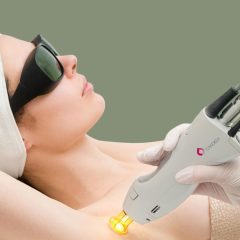
Medical-grade laser hair removal—as opposed to IPL—uses a single, concentrated wavelength of light that penetrates deeper into the skin, targeting the follicle directly. Lasers such as Alexandrite and Nd:YAG are designed for different skin tones and hair types, making them far more effective and less likely to cause unwanted stimulation than IPL.
Another key factor is the experience and knowledge of the practitioner. Our trained professionals will assess hair growth patterns, understand how hormones affect the skin, and use the correct laser settings to ensure hair is effectively removed rather than stimulated. This is particularly important when treating the face, jawline, or areas prone to hormonal hair, as these areas require careful, expert handling.
Why Choosing the Right Clinic Matters
While laser hair removal is an effective long-term solution, getting it done at the wrong clinic can lead to poor results, unexpected hair growth, or even skin damage. A reputable clinic will use medical-grade lasers and ensure treatments are tailored to the individual’s skin type, hair type, and hormonal profile.
If you’ve experienced increased hair growth after IPL or laser treatments, it may be time to consult with our specialists to assess what went wrong and how to correct it. With the right approach, laser hair removal London treatments can still be the best solution for permanent hair reduction, provided it’s done by the right hands, using the right technology.
Book a free consultation with our experienced, qualified practitioners can make all the difference in achieving smooth, hair-free skin without the risk of unwanted regrowth.









 Back to All Treatments
 In Clinic Consultation
 Telephone Consultation