 中文服务
中文服务







 6 Clinics Across London
 600,000 Treatments
 Free Consultation
 Award Winning Treatments
Polynucleotides and Tear Trough Filler: Which Is More Effective?
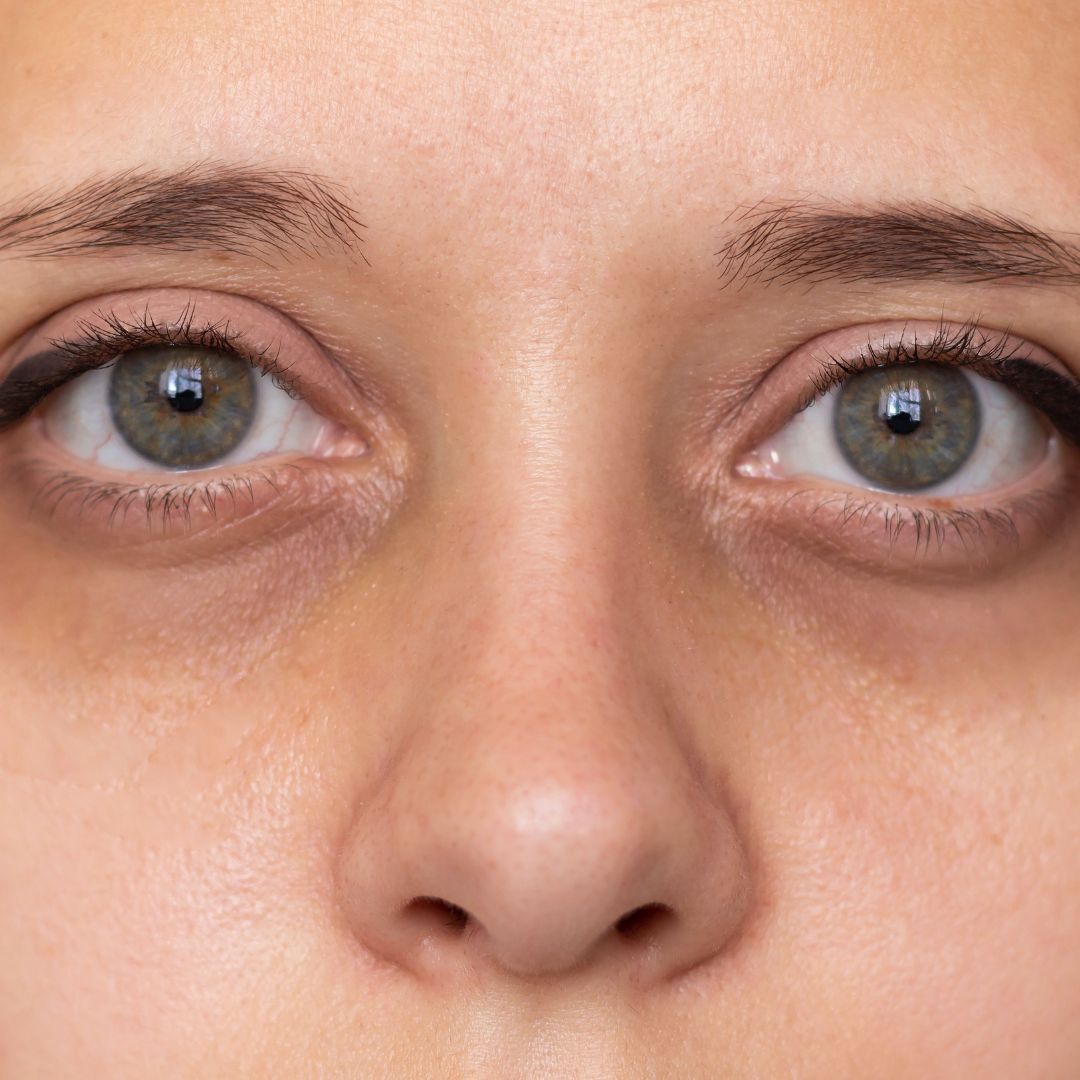
If you’ve been scrolling through TikTok researching tired-looking eyes, chances are you’ve come across two very different names for the same problem area: polynucleotides and tear trough filler. Both promise to soften hollow, shadowed look under the eyes. But they work in completely different ways, and one isn’t simply a “better” version of the other.
At Premier Laser & Skin, under-eye concerns are one of the most common reasons clients book a consultation. So here is how each treatment works, who they suit, what to expect, and how to decide which one is right for you.
What Are Polynucleotides?
Polynucleotides are naturally derived molecules, typically sourced from salmon DNA, that are purified and processed into an injectable gel.
When injected into the skin, polynucleotides don’t add volume in the way filler does.
Instead, they work biologically: hydrating the tissue, calming inflammation, and stimulating the skin’s own fibroblasts to produce fresh collagen and elastin.
Because polynucleotides work with the skin’s own repair processes, results build gradually over a course of sessions rather than appearing instantly.
What Is Tear Trough Filler?
Tear trough filler uses hyaluronic acid (HA), a substance that already exists naturally in your skin, to physically fill the hollow groove that runs from the inner corner of the eye down toward the cheek.
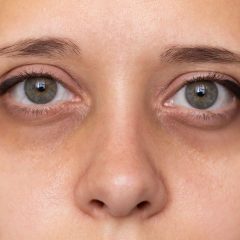
This hollowing — the “tear trough” — is caused by volume loss, thinning fat pads, or simply the bony structure you were born with, and it’s the main reason many people look tired even when they’re not.
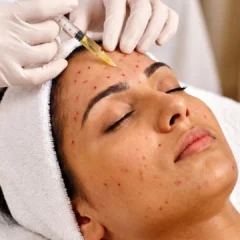
Unlike polynucleotides, filler gives an immediate structural result. A skilled practitioner uses a fine cannula or needle to place small amounts of HA gel beneath the hollow, restoring a smoother transition between the lower eyelid and the cheek.
Polynucleotides vs Tear Trough Filler: The Key Differences
The honest answer to “which is better” is that they’re not solving the same problem. Many of our clients at Premier Laser & Skin actually benefit from both, used strategically at different times or even in combination, depending on whether their under-eye concern is about skin quality, volume loss, or both.
Which Treatment Is Right for You?
During a consultation, one of our practitioners will assess:
- Skin thickness and elasticity — thinner, crepey skin often responds beautifully to polynucleotides
- Degree of hollowing — a deep structural tear trough usually needs volume replacement
- Pigmentation — genuine pigment-related dark circles may need a different approach altogether, such as topical treatment or light-based therapy
- Previous filler history— if you’ve had filler before that has migrated or looks puffy, this changes the recommended plan
If you want a subtle, natural-looking skin quality improvement and want to avoid any added volume, polynucleotides are usually the gentler starting point. If your main concern is a visible dark, hollow groove under the eyes, tear trough filler will typically give you the more dramatic and immediate change.
Suitability and Contraindications
Both treatments require a full medical consultation before booking. They may not be suitable if you:
- Are pregnant or breastfeeding
- Have an active skin infection or breakout in the treatment area
- Have a known allergy to any of the product components (including fish-derived products for polynucleotides)
- Have a bleeding disorder or are on blood-thinning medication (increased bruising risk)
- Have significant under-eye bags caused by fat pad protrusion which is a surgical concern (blepharoplasty) rather than one an injectable can resolve
Your practitioner will go through your medical history in detail during your consultation to confirm which treatment, if any, is appropriate for you.
Downtime and Results Timeline
- Polynucleotides: most clients return to normal activities the same day, with any swelling settling within 24–48 hours. A course of 2–4 sessions, spaced 2–4 weeks apart, is typically recommended, with skin quality improvements continuing to build for several weeks after the final session.
- Tear trough filler: initial swelling and any bruising usually resolve within 5–10 days, with the final result visible once any swelling has fully settled, typically within 2 weeks.
How Long Do Results Last?
Polynucleotide results tend to last around 3–6 months per course, with many clients choosing a top-up session twice a year to maintain skin quality.
Tear trough filler, because it uses a denser, longer-lasting HA formulation, typically lasts 9–18 months, though this varies based on individual metabolism, lifestyle, and the specific product used.
Our Recommendation
Neither polynucleotides nor tear trough filler is universally “better”, they address different aspects of the same tired-eyes concern.
A thorough, honest consultation is the only reliable way to know which treatment suits your skin quality, and goals. Results also vary from person to person, so it’s worth going in with realistic expectations rather than expecting an identical outcome to what you’ve seen on social media.
If you’re unsure where to start, our practitioners and experienced injectors at Premier Laser & Skin are happy to talk you through both options and build a plan tailored to your eyes.
Learn more about Polynucleotides
Learn more about Dermal Filler / tEAR trough Filler
This article is for general information only and does not replace personalised medical advice. All treatments carry individual risks and results vary from person to person. A full consultation with a qualified practitioner is required before any treatment is booked.
Medically reviewed by: Practitioners team in Premier laser & Skin Liverpool Street Review date: 31st July 2026


 Back to All Treatments
 In Clinic Consultation
 Telephone Consultation