 中文服务
中文服务







 6 Clinics Across London
 600,000 Treatments
 Free Consultation
 Award Winning Treatments
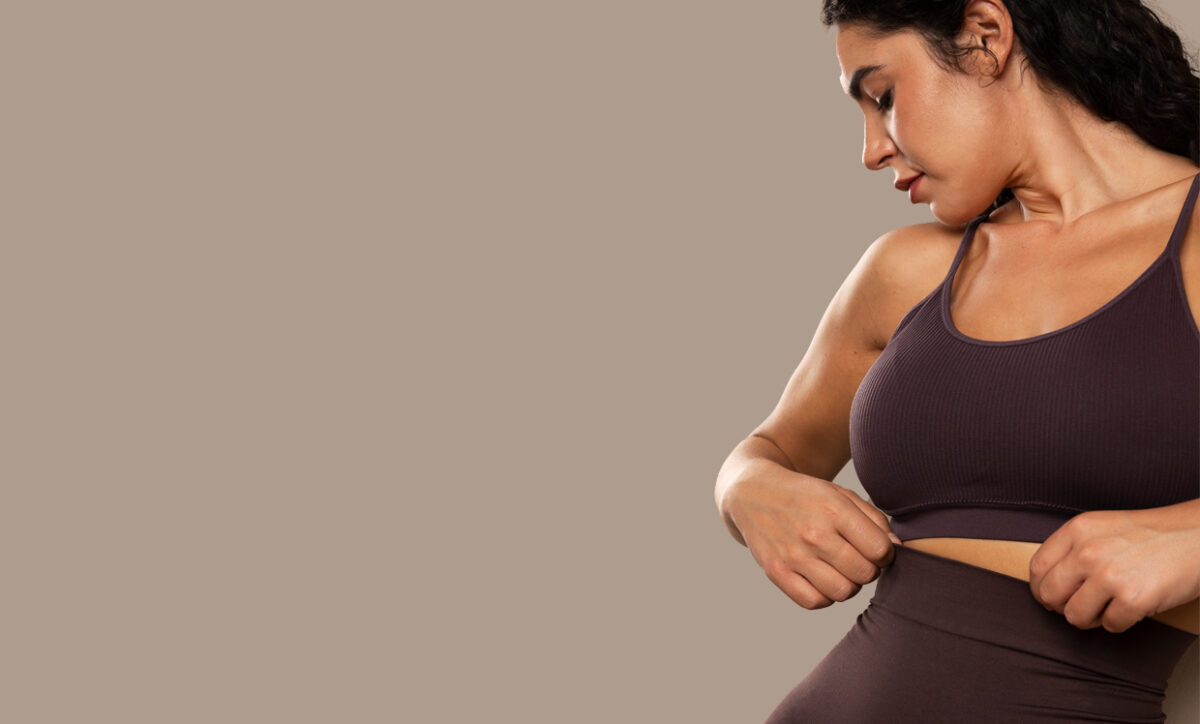
Fat freezing, or coolsculpting, has become one of the most popular non-invasive treatments for reducing stubborn fat. By targeting and destroying fat cells with controlled cooling, it promises long-lasting fat reduction without the need for surgery. However, with growing awareness around how the body stores and regulates fat, many people wonder: Does fat freezing impact hormones and fat storage elsewhere in the body?
How Fat Freezing Works
Unlike weight loss, which shrinks fat cells but keeps them intact, fat freezing works by permanently destroying fat cells in targeted areas. During treatment, the fat cells are exposed to extremely low temperatures, which triggers a process called apoptosis—a natural cell death mechanism. Over the following weeks, the body’s lymphatic system gradually clears out the damaged fat cells, resulting in a more sculpted appearance.
Does Fat Freezing Affect Hormones?
Fat plays a key role in hormone regulation, particularly in the production of oestrogen and leptin. Oestrogen, which is more abundant in women, is partially produced by fat tissue, while leptin is responsible for regulating hunger and metabolism. Since fat freezing only removes a small percentage of fat cells from localised areas, it does not significantly impact hormonal balance.
Unlike drastic weight loss or extreme dieting—which can lead to hormonal imbalances due to rapid fat loss—fat freezing is a gradual process, ensuring that the body’s endocrine system remains stable. There is no evidence to suggest that removing fat cells through cryolipolysis alters hormone production in any meaningful way.
Can Fat Freezing Cause Fat to Be Stored Elsewhere?
One common concern is whether fat freezing causes the body to compensate by storing fat in other areas. The theory behind this is that since fat cells are permanently removed in treated areas, the body might redistribute fat to untreated areas instead. However, research does not support this idea.
Fat freezing London treatments does not change the number of fat cells in the rest of the body, nor does it force the body to store fat in a different way. However, if a person gains weight after the procedure, the remaining fat cells in both treated and untreated areas will still expand. This means that while the treated areas may remain proportionally slimmer, overall weight gain can still affect body shape.
Who Is Fat Freezing Best Suited For?
Coolsculpting is best suited for individuals who are at or near their ideal weight but struggle with stubborn fat pockets that do not respond to diet and exercise. It is not a weight-loss treatment, nor is it a solution for metabolic or hormone-related fat storage issues. For those with hormonal imbalances, such as PCOS or thyroid-related weight gain, addressing the underlying condition is essential before considering fat reduction treatments.
Does Fat Freezing Impact Hormones and Fat Storage?
Fat freezing is a safe and effective method for body sculpting, but it does not impact hormonal balance or overall fat storage patterns. The treatment removes fat cells permanently in targeted areas, but maintaining results requires a healthy lifestyle. For those concerned about stubborn fat caused by hormonal conditions, consulting with our clinical professionals before undergoing treatment is recommended.
Choosing our qualified clinics at Liverpool street or Clapham with experienced practitioners ensures that the procedure is performed safely and effectively, giving you the best possible results without unnecessary risks.






 Back to All Treatments
 In Clinic Consultation
 Telephone Consultation