 中文服务
中文服务







 6 Clinics Across London
 600,000 Treatments
 Free Consultation
 Award Winning Treatments
- Helps Treat Face & Body Scarring
- Skin Resurfacing
- Helps Improve Texture & Acne Scarring
- Free Consultation


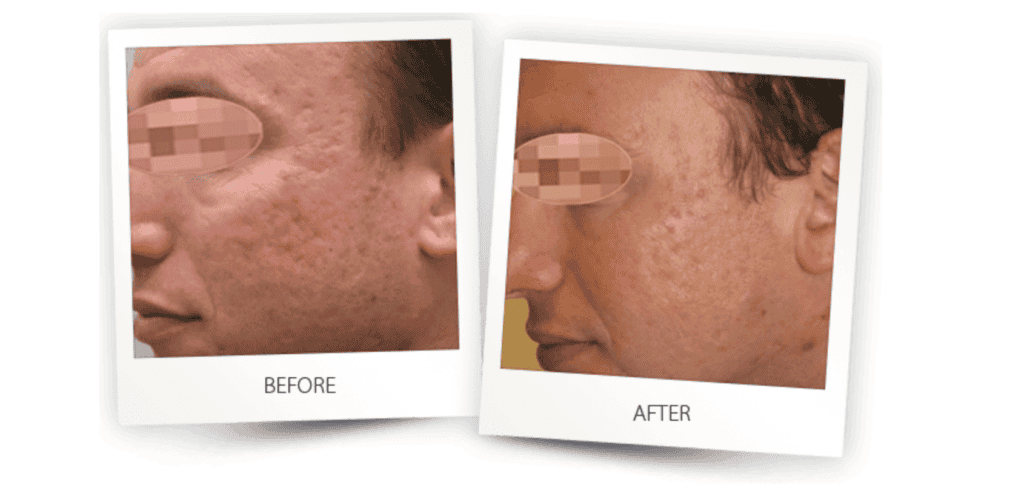
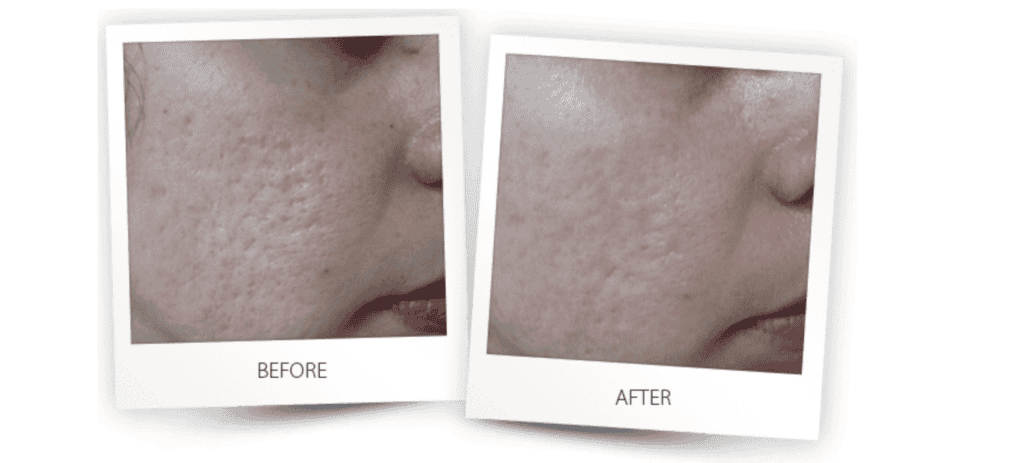


What is iPixel Laser Treatment?
Compared to older resurfacing laser technologies, iPixel Laser Resurfacing Treatment is part of the new generation of non-ablative, fractional lasers that give superior results with less downtime.
The iPixel directs a short, intense burst of laser energy onto the surface of the skin. As a result, both water and skin tissue become vaporous within the surface layers.
Each time the laser passes over the skin, tiny areas (or pixels) of the outermost layers are removed. Surrounding skin tissue is untouched and remains intact.
In this process, collagen is stimulated by the body’s natural healing process in order to replace lost skin with new, healthy, and smoother tissue.
As a result of its precision, the iPixel has fewer side effects than ablative resurfacing lasers. As a result, it is suitable for treating anywhere on the skin with minimal irritation.
What is iPixel Treatment Effective for?
The treatment is ideal for the following conditions:
-
- Scarring
- Acne scarring
- Hyperpigmentation
- Ageing skin
- Sun damage
- Stretch marks
- Injury scarring
- Post-surgery scars
* Results may vary from person to person
What is the difference between Fraxel and iPixel laser?
Fraxel and iPixel are both laser treatments used for skin rejuvenation, but they differ in their technology, application, and recovery.
Fraxel uses fractional laser technology that creates microthermal zones in the skin, stimulating the body’s healing process. This allows for the replacement of damaged skin with fresh, healthy skin. It penetrates deeper layers, making it effective for treating issues such as deep wrinkles, acne scars, pigmentation, and sun damage.
iPixel also employs fractional laser technology but is primarily focused on skin resurfacing. It creates tiny thermal channels in the skin, promoting quicker healing by leaving surrounding tissue unaffected. iPixel is more suited for addressing superficial skin concerns, such as fine lines, uneven texture, and minor scarring.
The recovery time also varies between the two treatments. Fraxel typically requires longer downtime, with redness, swelling, and peeling lasting several days to a week, depending on the intensity of the treatment. iPixel, however, involves shorter recovery, with minimal redness and peeling, which generally resolves within a few days.
In summary, Fraxel is better for deeper skin concerns, while iPixel is ideal for those seeking improvement in skin texture and tone with a quicker recovery.


 Back to Clinics
 In Clinic Consultation
 Telephone Consultation