 中文服务
中文服务




 6 Clinics Across London
 600,000 Treatments
 Free Consultation
 Award Winning Treatments
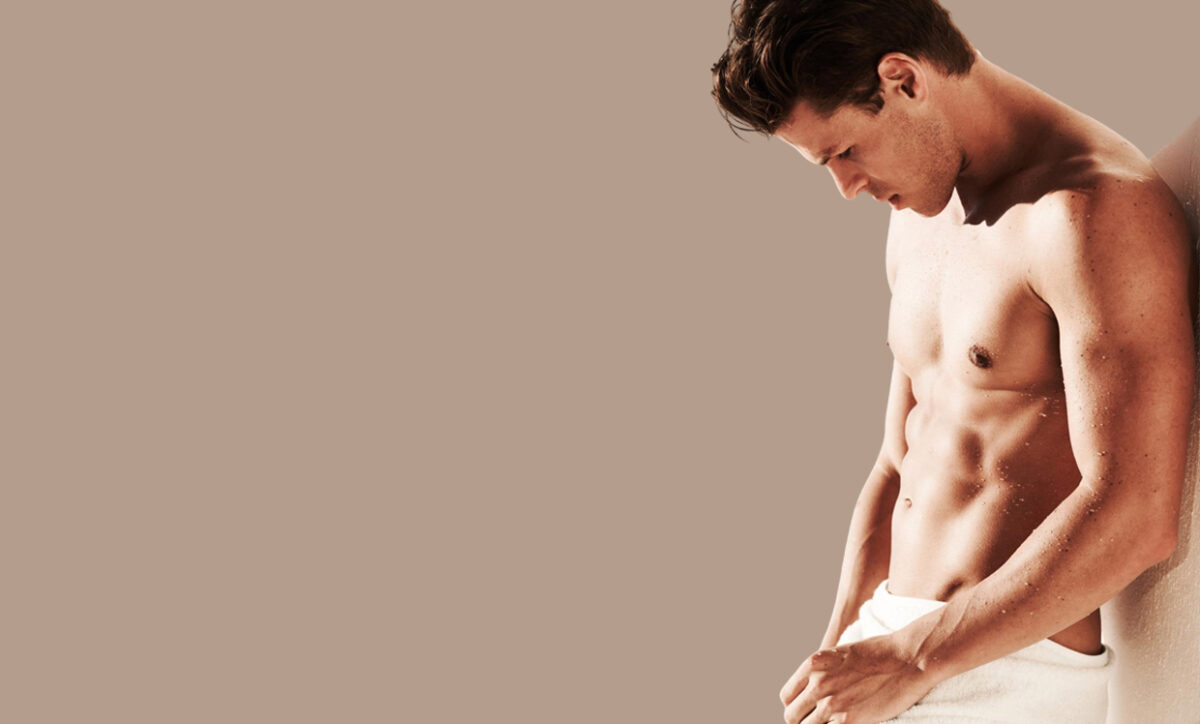
With non-surgical body contouring on the rise, fat freezing — also known as Coolsculpting — has become one of the most talked-about treatments. Promising to reduce stubborn fat without needles or downtime, it sounds almost too good to be true. But does fat freezing actually work?
In this blog, we’ll explore how fat freezing works, what kind of results you can expect, and whether it’s worth considering if you’re struggling to shift those last few bulges, particularly around the stomach, flanks, thighs, or upper arms.
What Is Fat Freezing?
Fat freezing, often referred to by brand names like CoolSculpting, is a clinically tested, non-invasive treatment that targets and destroys fat cells by freezing them. Once the fat cells are exposed to controlled cooling, they go through a natural process called apoptosis (cell death). Over the following weeks, your body gradually eliminates these damaged cells through the lymphatic system.
Unlike weight loss, which shrinks fat cells, fat freezing removes a percentage of fat cells permanently from the treated area, making it an effective solution for body contouring.
Does It Really Work?
Yes — fat freezing treatments are clinically proven to reduce localised fat. On average, you can expect a 20–25% reduction in the fat layer of the treated area after one session, although results may vary depending on your body type, lifestyle, and the area being treated.
You won’t see results immediately — most people notice a difference after 4 to 6 weeks, with full results becoming visible around 12 weeks post-treatment as your body finishes flushing out the dead fat cells.
What Areas Can Be Treated?
Fat freezing is ideal for common problem areas, including:
- Lower stomach or “belly pouch”
- Love handles (flanks)
- Inner and outer thighs
- Upper arms
- Bra fat
- Under the buttocks (banana roll)
- Double chin (with specific applicators)
It’s best suited to people who are near their ideal weight, but who struggle with small, stubborn fat pockets that don’t shift with exercise or diet.
What Does It Feel Like?
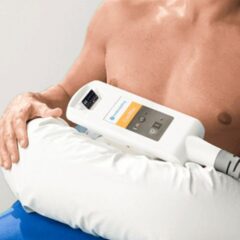
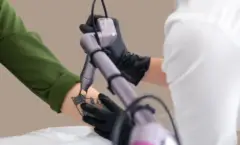
During treatment, a vacuum applicator pulls the skin and fat into a cooling panel. You’ll feel intense cold and some pressure at first, which usually subsides within minutes as the area becomes numb. Most sessions last 30–45 minutes per area, and there’s no downtime — you can return to your day straight away.
Some mild side effects like tingling, numbness, swelling, or bruising are common but temporary.
Is It Permanent?
Yes — the fat cells removed during cryolipolysis are gone for good. However, it’s important to maintain a healthy lifestyle to prevent remaining fat cells from expanding. Fat freezing doesn’t prevent future weight gain, so maintaining your results depends on balanced nutrition and regular activity.
Who Is It Not Suitable For?
Fat freezing isn’t suitable for:
- Individuals with cryoglobulinaemia or cold-related conditions
- Pregnant or breastfeeding clients
- Those with loose skin rather than fat in the treatment area
- Anyone with unrealistic expectations (e.g. wanting to lose weight rather than contour shape)
A consultation with our certified specialists at Liverpool Street and Clapham clinics is essential to assess your suitability and set realistic expectations.
Do Fat Freezing Treatments Actually Work?
If you’re looking for a non-invasive way to contour your body and shift stubborn fat, fat freezing is a clinically backed option that works for the right candidate. While it’s not a substitute for weight loss, it can be a powerful tool for refining areas resistant to diet and exercise, with long-lasting results when combined with a healthy lifestyle.





 Back to All Treatments
 In Clinic Consultation
 Telephone Consultation