 中文服务
中文服务







 6 Clinics Across London
 600,000 Treatments
 Free Consultation
 Award Winning Treatments
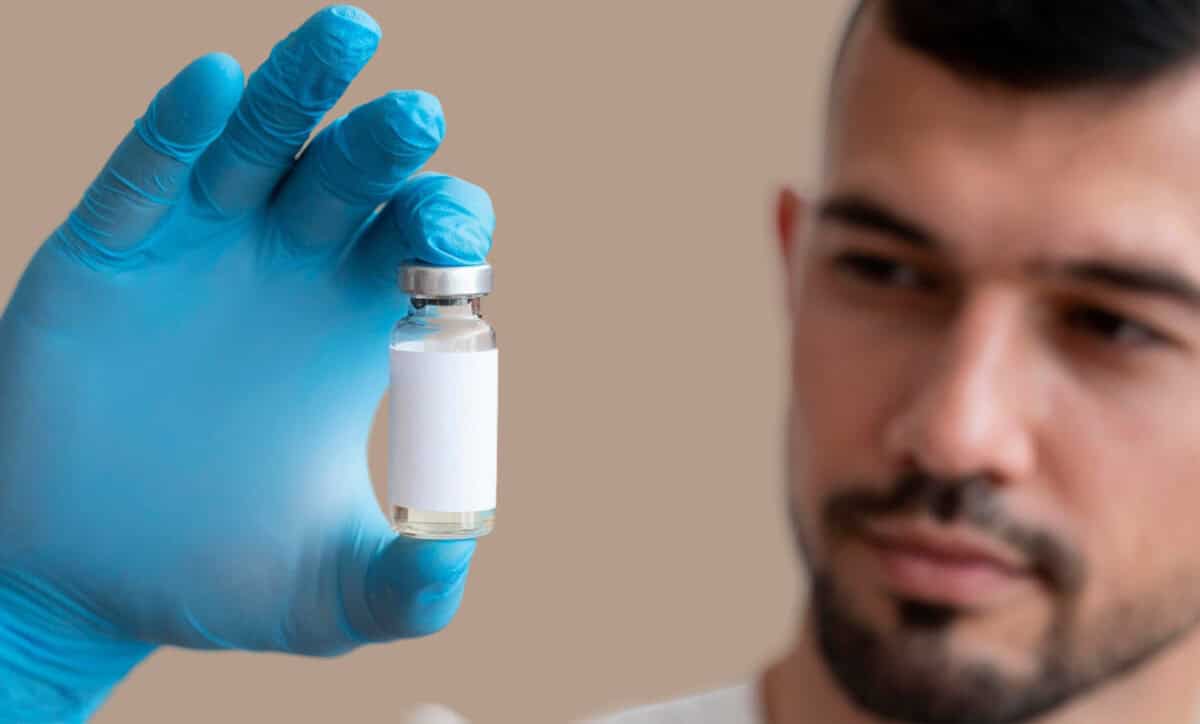
With the rise of regenerative aesthetics, you’ve likely come across two trending treatments: exosome therapy and polynucleotide injections. Though both are celebrated for their skin-rejuvenating effects, they’re not the same, and understanding the difference can help you choose the right option for your skin goals.
In this blog, we’ll break down what makes exosomes and polynucleotides unique, how they work, and whether one might be better suited to your skin than the other.
What Are Exosomes?
Exosomes are tiny vesicles naturally released by cells to support communication and repair. In skincare, plant-derived exosomes are created using botanical sources, making them suitable for clients seeking non-animal-based or vegan-friendly treatments.
When applied after microneedling or morpheus8, these exosomes deliver concentrated botanical messengers to the skin, encouraging regeneration, hydration, and repair. They’re particularly beneficial for calming inflammation and supporting collagen renewal, especially following more intensive treatments.
What Are Polynucleotides?
Polynucleotides are biocompatible molecules derived from purified DNA fragments. In aesthetics, they’re often sourced from fish and injected into the skin to promote tissue repair, hydration, and elasticity. Polynucleotides are known to stimulate fibroblast activity, which helps boost collagen production and restore a more youthful appearance over time.
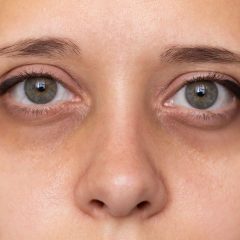
They’re typically used to improve skin quality in delicate areas like the under eyes, neck, or decolletage, as well as to treat fine lines, crepey skin, and loss of firmness.
Key Differences Between Exosomes and Polynucleotides
| Feature | Plant-Based Exosomes | Polynucleotides |
|---|---|---|
| Source | Botanical (non-animal) | Fish-derived DNA |
| Application | Topically post-microneedling or laser | Injected intradermally |
| Action | Supports cell signalling, hydration, and healing | Stimulates collagen and fibroblast activity |
| Downtime | Minimal | Mild swelling or redness at injection sites |
| Suitability | Most skin types, including sensitive | Suitable for ageing or dehydrated skin |
While both treatments encourage regeneration and rejuvenation, they work through different mechanisms and are delivered in different ways. Exosomes are often chosen as an add-on to boost the results of other treatments, whereas polynucleotides are standalone injectable procedures targeting deeper repair.
Can You Combine Exosomes and Polynucleotides?
Yes — but not in the same session. Aesthetic practitioners may recommend alternating between the two or incorporating each into a broader treatment plan. For example, exosomes may be applied topically after microneedling or resurfacing to speed up healing, while polynucleotides may be injected a few weeks later to further support collagen regeneration.
This kind of combination approach can offer both immediate post-treatment recovery and long-term anti-ageing benefits.
Which One Is Right for You?
Choose plant-based exosomes if you want a vegan-friendly, non-invasive boost to healing and hydration, especially after microneedling or laser.
Opt for polynucleotides if you’re targeting deeper skin rejuvenation, such as under-eye crepiness, loss of firmness, or signs of ageing.
A consultation with a qualified practitioner is the best way to determine what your skin needs and whether either or both of these regenerative options should be part of your plan.
Are Exosomes the Same as Polynucleotides?
No, while exosomes and polynucleotides share a goal of rejuvenating the skin, they differ in origin, application, and mechanism of action. Both offer exciting, evidence-led ways to support collagen production, repair, and long-term skin health.
Whether you’re interested in plant-based exosomes for post-treatment recovery or polynucleotides for deeper hydration and regeneration, there’s a place for each in modern skin treatment plans.






 Back to All Treatments
 In Clinic Consultation
 Telephone Consultation