 中文服务
中文服务







 6 Clinics Across London
 600,000 Treatments
 Free Consultation
 Award Winning Treatments

If you’ve recently had a laser hair removal session and started to feel a bit itchy, you’re not alone. Itching is one of the most common post-treatment sensations and, in most cases, it’s completely normal. But Is Itching Normal After Laser Hair Removal? When is it a harmless side effect, and when could it signal something more?
In this blog, we’ll explore why itching can occur after laser hair removal, how long it should last, and what you can do to soothe the skin safely without disrupting your results.
Why Does Laser Hair Removal Cause Itching?
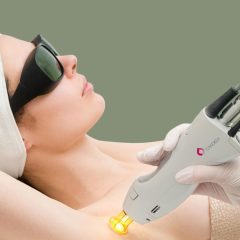
Laser hair removal works by delivering concentrated light energy into the hair follicle, damaging its ability to grow back. This process naturally causes controlled irritation in the treated area. As the skin begins to heal, some clients notice mild itching, tingling, or tightness, particularly in sensitive areas such as the bikini line, underarms, or upper lip.
Itching can also be the result of:
- Inflammation around the follicle (folliculitis)
- Dryness or tight skin post-treatment
- A mild histamine response is triggered by the body as part of the healing process
These are generally short-lived and tend to settle down within a few hours to a couple of days.
When Is Itching Considered Normal?
Mild to moderate itching in the first 24–48 hours after laser hair removal is considered normal. It may feel similar to how the skin reacts after waxing or shaving. You might also notice slight redness or small bumps, especially in areas with thicker hair, as the follicles respond to the laser energy.
This is typically nothing to worry about and is a sign that your body is reacting to the treatment as expected.
When to Seek Advice
If the itching becomes intense, painful, or is accompanied by blistering, swelling, or a rash, it’s important to speak to your practitioner. These could be signs of a rare allergic reaction, skin sensitivity, or incorrect laser settings. Always choose a reputable clinic with experienced laser specialists who follow correct skin typing protocols to minimise risk.
How to Soothe Itchy Skin After Laser Hair Removal
There are several ways to reduce itching and support your skin’s recovery:
- Apply a cool compress: Use a clean, damp cloth to gently cool the area.
- Avoid heat: No hot showers, saunas, or steam rooms for at least 48 hours.
- Use fragrance-free moisturiser: Look for gentle, hydrating creams or gels to relieve dryness. Aloe vera is a popular option.
- Skip the gym: Excess sweating can irritate the skin — it’s best to avoid workouts for 24 hours post-treatment.
- Don’t scratch: As tempting as it may be, scratching can irritate the skin further or even lead to infection.
- Avoid exfoliation: No scrubs, acids, or retinols until your practitioner advises it’s safe to resume.
How Long Will Itching Last?
In most cases, itching resolves within 24 to 72 hours after treatment. If you’ve had a course of treatments, you might find that your skin becomes more accustomed to the laser over time and reacts less with each session.
Everyone’s skin is different, and your practitioner will advise you on what to expect based on your skin type and the area treated.
Is Itching Normal After Laser Hair Removal?
Yes — mild itching is completely normal after laser hair removal London treatment and usually subsides on its own. It’s part of your skin’s natural healing response and, when managed with the right aftercare, nothing to be concerned about. However, if the itching is severe, prolonged, or accompanied by other symptoms, it’s always best to check in with your clinic.





 Back to All Treatments
 In Clinic Consultation
 Telephone Consultation