 中文服务
中文服务







 6 Clinics Across London
 600,000 Treatments
 Free Consultation
 Award Winning Treatments
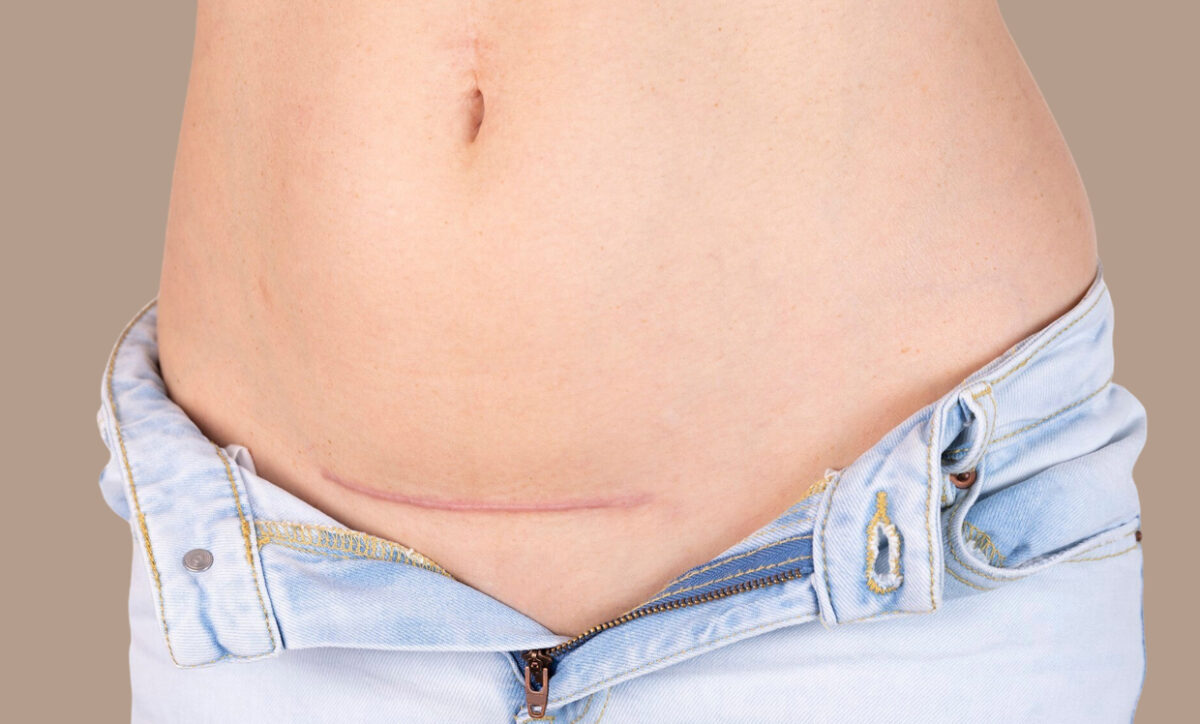
Surgical scars are a natural part of the healing process, but they don’t have to be a permanent reminder. Whether you’ve had a C-section, joint replacement, or cosmetic surgery, post-operative scarring can affect both the appearance and texture of your skin. Fortunately, modern skin technology offers a range of effective solutions to help fade and smooth the appearance of surgical scars over time. In this blog, we’ll explore the different types of scars, how they form, and the top treatments to fade surgical scars that can best support their reduction.
Types of Scars That Can Form After Surgery
The body forms scar tissue as part of its natural wound-healing response. The way a scar looks often depends on your skin type, how your body heals, and how the wound was closed. Here are the most common types of surgical scars:
Flat scars – Typically start red or pink and fade with time. These are the most common surgical scars and can be improved with texture and tone-focused treatments.
Hypertrophic scars – Raised, thickened scars that stay within the boundary of the original incision. They may be itchy or firm to the touch.
Keloid scars – These extend beyond the original wound site and tend to grow over time. Keloids are more common in darker skin tones and may require specialised care.
Atrophic scars – Sunken or pitted scars that occur when the skin loses underlying support, although less common in surgical cases.
Understanding what type of scar you’re working with is key to selecting the most effective treatment approach.
Non-Surgical Treatments to Fade Surgical Scars
Once the scar has matured — usually around 3 to 6 months after surgery — professional skin treatments can be introduced to improve its appearance. While no treatment can remove a scar entirely, the following methods can significantly fade discolouration, reduce thickness, and smooth uneven texture.
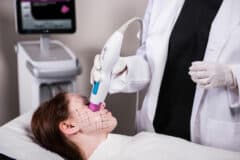
Radio Frequency Skin Resurfacing
Radio frequency skin resurfacing works by delivering heat deep into the dermis to stimulate collagen and elastin production. This encourages the skin to remodel itself over time, gradually improving the tone and texture of scarred skin. It’s particularly effective for raised or thickened surgical scars and can help soften their appearance without damaging the surrounding tissue. RF treatments also have the benefit of minimal downtime, making them suitable for those with busy schedules.
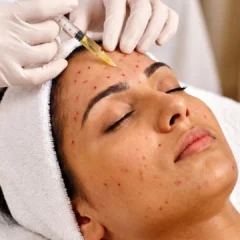
Dermapen Microneedling
Microneedling uses ultra-fine needles to create controlled micro-injuries in the skin, triggering the body’s natural healing response. This promotes new collagen formation and improves the texture and tone of the scar. Devices like Dermapen offer precision and depth control, making it a safe and effective option for flattening hypertrophic scars and reducing redness. Over a series of sessions, microneedling can also help blend the scar into the surrounding skin more evenly.
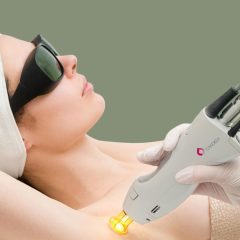
iPixel Laser Resurfacing
iPixel is a type of fractional laser that targets tiny areas of skin while leaving surrounding tissue intact, allowing for faster recovery. This treatment is ideal for textured or discoloured surgical scars, particularly those that appear shiny, bumpy, or uneven. The laser stimulates collagen renewal, improves pigmentation, and helps break down dense scar tissue, leading to smoother, clearer skin over time. iPixel can be used on the face or body and is suitable for most skin types.
What to Expect From Scar Treatment
Scar improvement is a gradual process. Most clients require a course of treatments spaced several weeks apart, and visible results typically begin to appear after a few sessions. Improvements include reduced redness, smoother texture, less thickness, and a more even skin tone.
It’s also important to protect the scarred area from sun exposure throughout the process, as UV rays can worsen discolouration and slow healing.
Top Treatments to Fade Surgical Scars
Surgical scars may be a natural part of recovery, but they don’t have to define your skin’s future. Whether you’re dealing with raised, discoloured, or uneven scarring, treatments like RF skin resurfacing, Dermapen microneedling, and iPixel laser offer modern solutions with proven results. With a personalised treatment plan and the right aftercare, you can achieve smoother, more confident skin with time and consistency.


 Back to All Treatments
 In Clinic Consultation
 Telephone Consultation