
Book Free Consultation

New Year Sale ⚡️ Extra 10% OFF Skin Treatments. Use code NEWSKIN10 (min. £300 spend)

Location Icon 6 Clinics Across London Users Icon 600,000 Treatments Phone Icon Free Consultation Awards Icon Award Winning Treatments

What Causes PCOS Flare-Ups?

By Mary Basiadima, 29 August 2025

What Causes PCOS Flare-Ups?

Polycystic ovary syndrome (PCOS) affects millions of women worldwide and is known for causing a wide range of symptoms, from irregular periods to acne and weight changes. For many, the condition doesn’t stay consistent; instead, it comes and goes in cycles of stability and flare-ups. But what causes PCOS flare-ups? The triggers are often linked to hormones, lifestyle, and stress.

Hormonal Imbalances

PCOS is closely tied to hormonal fluctuations. Elevated androgens (male hormones present in all women) are a key factor, as they can worsen symptoms such as oily skin, acne, and excessive hair growth, known as hirsutism. Flare-ups often happen when hormone levels become more unbalanced, which may be influenced by stress, diet, or changes in weight.

Insulin Resistance

Many women with PCOS experience insulin resistance, where the body struggles to regulate blood sugar effectively. When this happens, the body may produce even more insulin, which can stimulate the ovaries to release more androgens, leading to flare-ups of acne and unwanted hair growth.

Stress and Lifestyle Factors

Stress is another major trigger for PCOS flare-ups. High stress levels raise cortisol, which can disrupt hormonal balance further. Lack of sleep, poor diet, or sedentary habits may also contribute, making flare-ups more noticeable.

Why Symptoms Vary

PCOS flare-ups look different for each woman. Some notice worsening acne, others struggle with sudden weight gain or more visible hirsutism. These differences are due to how each individual’s body responds to hormone imbalances.

Supportive Treatment Options

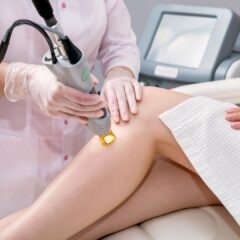
While PCOS cannot be cured, symptoms can be managed. For women dealing with hirsutism, methods like waxing or shaving often feel temporary and frustrating. Laser hair removal London treatment offers a longer-term solution, targeting hair follicles to reduce regrowth over time. When carried out with medical-grade equipment, laser hair removal for PCOS can make a significant difference in managing one of the most visible and confidence-impacting symptoms.

So, What Causes PCOS Flare-Ups?

The main causes include hormonal fluctuations, insulin resistance, stress, and lifestyle changes. Each woman’s experience is unique, but recognising triggers makes it easier to manage flare-ups and seek support. With ongoing awareness, especially PCOS Awareness Month fast approaching, it’s important to highlight that while PCOS may not have a cure, effective treatment options, from lifestyle changes to supportive therapies like laser hair removal, can greatly improve quality of life.
FAQs

What can trigger a PCOS flare-up?

PCOS flare-ups are often triggered by hormonal fluctuations, stress, poor sleep, weight changes, or insulin resistance. A diet high in refined sugars and processed foods may also make symptoms worse, as they affect blood sugar and insulin levels. Even seasonal changes, such as reduced activity in winter, can contribute to flare-ups for some women.

What does a PCOS flare-up feel like?

A PCOS flare-up can feel different for everyone, but common signs include increased acne, oily skin, hair loss, or excess hair growth (hirsutism). Some women may also notice bloating, fatigue, mood swings, or irregular periods. The flare-up often feels like symptoms suddenly intensify, making everyday routines more challenging.

How do you calm a PCOS flare-up?

Calming a PCOS flare-up usually involves supporting hormonal balance through lifestyle adjustments. Eating balanced meals with low glycaemic foods, getting regular exercise, and managing stress with techniques such as yoga or meditation can help. Medical treatments may also be recommended by a doctor, while aesthetic options such as laser hair removal can ease confidence-related symptoms like hirsutism. Identifying your personal triggers is key to preventing future flare-ups.

Popular Categories

Skin Treatments

Special Offers

DR Skincare

Related Articles

How Long Do Laser Hair Removal Sessions Typically Last Per Area?

How Long Do Laser Hair Removal Sessions Typically Last Per Area?

When considering laser hair removal, one of the most common practical questions clients ask is about timing. People want to know how easily treatments can fit into a busy schedule and whether appointments will take minutes or hours. Understanding how long laser hair removal sessions typically last per area helps set clear expectations and makes…

How Do I Tighten Saggy Neck Skin?

How Do I Tighten Saggy Neck Skin?

Sagging neck skin is a concern that many people begin to notice with age, weight changes or natural collagen decline. The area under the chin and along the jawline is particularly delicate, making it one of the first places to show laxity. Clients often ask, How do I tighten saggy neck skin? The answer depends…

What to Know Before Tattoo Removal

What to Know Before Tattoo Removal

Tattoo removal has advanced significantly over the past decade, and more clients are now considering it as a realistic option. Whether you want complete removal or gentle fading for a cover-up, understanding the process is essential before starting treatment. Many people begin by asking what to know before tattoo removal, and the truth is that…

Is Laser Hair Removal Really Worth the Cost?

Is Laser Hair Removal Really Worth the Cost?

Laser hair removal has become one of the most popular long-term solutions for unwanted hair, but many clients still wonder: Is laser hair removal really worth the cost? With so many options on the market, from shaving and waxing to at-home devices, it’s natural to question whether professional laser treatments offer enough value to justify…

Template: single.php
0