 中文服务
中文服务







 6 Clinics Across London
 600,000 Treatments
 Free Consultation
 Award Winning Treatments

Skin tags are harmless little flaps of skin that most of us get at some point. They’re usually painless, but they can catch on clothing or make you self-conscious. So, what is the best method for skin tag removal? The short answer is: it depends on the size, location and your personal preferences, but CryoPen cryotherapy is one of the gentlest, quickest and most popular options in-clinic.
What Causes Skin Tags?
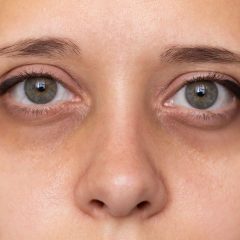
Skin tags (acrochordons) tend to appear where skin rubs together, under the arms, on the neck, around the groin or on eyelids. They’re commonly associated with friction, hormones and age, and while they’re not dangerous, many people prefer to have them removed for comfort or cosmetic reasons.
Main Methods of Skin Tag Removal
Here are the commonly used methods for skin tag removal, with pros and cons to help you decide which is best for you:
1. Cryotherapy (CryoPen)
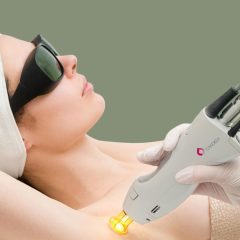
CryoPen delivers a focussed burst of extreme cold to freeze the skin tag. It’s quick, precise and usually causes minimal damage to surrounding skin. Recovery is fast — the tag typically darkens, shrivels and falls off within days to a couple of weeks.
Pros: minimal downtime, usually little to no bleeding, suitable for small-to-medium tags, performed without local anaesthetic in most cases.
Cons: may need more than one session for larger tags; temporary blistering or pigment changes can occur.
CryoPen is an excellent first-line option for many people because it’s effective, comfortable and fast.
2. Excision (Cutting Out)
A practitioner removes the tag with scissors or a scalpel under local anaesthetic. This is often used for larger tags or those in awkward positions.
Pros: immediate removal and a sample available for histology if needed.
Cons: small risk of scarring, stitches sometimes required, slightly longer recovery.
3. Cauterisation (Electrocautery)
The tag is burned away using heat. This stops bleeding and removes the tag in one visit.
Pros: quick, effective, good for vascular tags.
Cons: can be uncomfortable, slight risk of scarring or pigment changes.
4. Ligation (Tying Off)
The blood supply to the tag is cut off using a surgical thread; the tag then falls off after several days.
Pros: simple, low-tech option for small tags.
Cons: slower, can be uncomfortable, risk of infection if not done properly.
Why Choose CryoPen for Skin Tags?
CryoPen is a controlled, clinic-based form of cryotherapy that’s become popular because it’s precise and well tolerated. For small-to-medium tags in visible areas (like the neck or eyelids), CryoPen reduces trauma to surrounding skin and usually gives cosmetically pleasing results. It’s especially useful if you want a quick in-clinic procedure with minimal aftercare.
What to Expect During and After Treatment
During: The practitioner cleans the area and applies the CryoPen or performs the chosen procedure. You may feel a brief cold or stinging sensation.
Immediately after: The treated spot may appear pale, red or slightly blistered.
Over the next days/weeks: The tag darkens and falls off; the area heals and any crusting resolves. Keep the area clean and avoid harsh products while it heals.
When to contact a clinic: If you notice excessive redness, swelling, pus, or the area becomes very painful, seek medical advice.
Are There Any Risks?
All removal methods carry small risks: temporary pigment changes (lighter or darker skin), scarring, infection, or incomplete removal requiring another session. Choosing an experienced practitioner and following aftercare advice reduces these risks.
When Not to Remove at Home
Avoid DIY removal. Over-the-counter kits or home cutting methods increase the risk of infection and scarring. Always have skin tags assessed by a clinician to confirm the diagnosis, very rarely a growth may need further investigation.
How Many Sessions Will I Need?
Small tags often need just one CryoPen or cautery session. Bigger or stubborn tags may need a repeat treatment. Your practitioner will advise a tailored plan during consultation.
Cost and Practicalities
Prices vary by clinic, number of tags and their size. Our clinics charge per lesion size and offer package prices for multiple tags. A consultation is useful to get an accurate estimate and treatment recommendation.
What Is the Best Method for Skin Tag Removal?
If you’re asking what is the best method for skin tag removal?, CryoPen cryotherapy is often the best balance of effectiveness, speed and cosmetic outcome for most small-to-medium skin tags. For larger or complex lesions, excision or electrocautery may be more suitable. Always choose a qualified clinician for assessment and treatment, safe removal and good aftercare give the best chances of a neat result.







 Back to All Treatments
 In Clinic Consultation
 Telephone Consultation