

When Is It Too Late to Treat Acne Scars? - London Premier Laser & Skin Clinic Book Free Consultation
Location Icon 6 Clinics Across London Users Icon 600,000 Treatments Phone Icon Free Consultation Awards Icon Award Winning Treatments

When Is It Too Late to Treat Acne Scars?

By Mary Basiadima, 3 September 2025

When Is It Too Late to Treat Acne Scars?

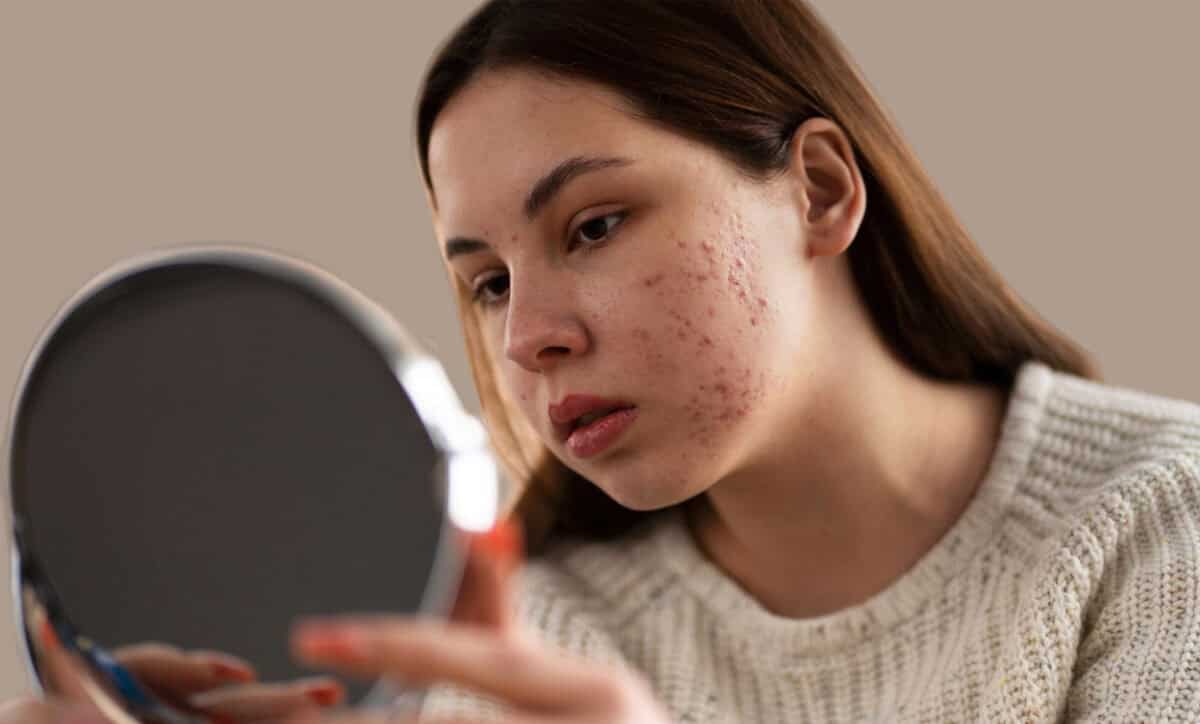
Acne scars can feel permanent, especially if they’ve been there for years. Many people wonder if they’ve left it too long to improve their skin. But when is it too late to treat acne scars? The good news is that with modern technology, it’s almost never too late. While early treatment is ideal, advanced options can transform skin texture and confidence even decades after acne has cleared.

Why Acne Scars Develop

Scars form when inflammation from acne damages the deeper layers of skin. Instead of healing smoothly, the tissue repairs irregularly, leaving indents (atrophic scars), raised marks, or discolouration. Without treatment, scars won’t vanish on their own, but the skin can be remodelled at any stage of life.

Age and Skin Regeneration

Younger skin tends to heal faster, but that doesn’t mean older skin cannot improve. Collagen production naturally slows with age, making scars appear more visible. However, acne scar removal treatments that stimulate collagen, such as microneedling or radiofrequency, can trigger regeneration at any age, encouraging smoother, firmer skin.

Effective Treatments for Acne Scars

Dermapen Microneedling

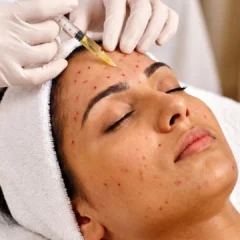
This treatment uses fine needles to create controlled micro-injuries, stimulating collagen and elastin. Over time, the skin repairs itself, softening indents and improving texture.

Morpheus8

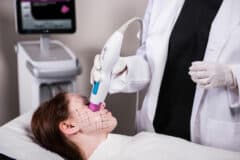
Combining microneedling with radiofrequency energy, Morpheus8 remodels deeper layers of the skin. It’s particularly effective for more stubborn scars or where skin laxity is also a concern.

iPixel Laser Resurfacing

Fractional laser resurfacing, such as iPixel, targets damaged skin tissue, encouraging fresh, healthy skin to replace it. It improves both texture and pigmentation linked to old scars.

PicoSure Laser

PicoSure delivers ultra-short bursts of energy that break down scar tissue and stimulate new collagen. It’s also highly effective for pigmentation, making it ideal for red or dark acne marks left behind.

So, Is It Ever Too Late?

No. Whether your scars are a few years old or have been there for decades, treatments exist to improve them. The right option depends on scar type, skin tone, and overall skin condition. A professional consultation with one of our experts is essential to create a tailored plan, often combining treatments for the best outcome.

When is it too late to treat acne scars? The answer is: it’s never too late. With advanced treatments like Dermapen microneedling, Morpheus8, iPixel laser resurfacing, and PicoSure, skin can be remodelled, scars softened, and confidence restored, no matter your age.


FAQs

Is it too late to treat acne scars?

No, it’s never too late to treat acne scars. Even if scars have been there for years, modern treatments such as microneedling, laser resurfacing, or radiofrequency-based therapies can still stimulate collagen, remodel the skin, and improve texture. While younger skin may respond more quickly, older skin can also show significant improvement with the right treatment plan.

Can old acne scars be treated?

Yes, old acne scars can be treated effectively. Treatments like Dermapen microneedling, Morpheus8, iPixel laser resurfacing, and PicoSure are all designed to target long-standing scars by breaking down damaged tissue and encouraging new collagen. While results vary, even scars that are decades old can become much less noticeable.

Can you 100% get rid of acne scars?

Completely erasing acne scars is very rare. However, treatments can reduce their appearance dramatically, often by 50–80% or more, depending on scar type and skin health. With a personalised treatment plan, scars can be softened, pigmentation reduced, and overall skin quality improved to the point where they are far less visible.

Popular Categories

Skin Treatments

Special Offers

DR Skincare

Related Articles

What is PRP?

What is PRP?

Thinking About PRP (aka Dracula Facial)? A Award-winning London Clinic Guide to Glowing Skin, Acne Marks and Hair Thinning What is PRP? PRP, sometimes referred to as the Vampire Facial or Dracula Facial when used for skin rejuvenation, is an advanced treatment that uses a concentrated portion of your own blood, rich in platelets and…

Laser Hair Removal in London: The Solution for Shaving Less and Fewer Ingrown Hairs

Laser Hair Removal in London: The Solution for Shaving Less and Fewer Ingrown Hairs

Laser Hair Removal in London: The Smooth Skin Solution for Less Shaving and Fewer Ingrown Hairs If you are tired of shaving, waxing, ingrown hairs or last-minute hair removal before holidays and events, laser hair removal can offer a longer-term solution for smoother, lower-maintenance skin. At Premier Laser & Skin Clinic, laser hair removal is…

Emsculpt Neo + Exilis in London: The Magic of Non-Surgical Body Contouring

Emsculpt Neo + Exilis in London: The Magic of Non-Surgical Body Contouring

Emsculpt Neo + Exilis in London: The Magic of Non-Surgical Body Contouring When patients think about body contouring, they often focus on just one concern: reducing stubborn fat. However, achieving a sculpted, athletic-looking body involves much more than fat reduction alone. Muscle definition, skin firmness, and body proportions all play an important role in creating…

CoolSculpting vs CoolSculpting Elite: What’s the Difference?

CoolSculpting vs CoolSculpting Elite: What’s the Difference?

CoolSculpting vs CoolSculpting Elite: What’s the Difference? If you’re considering non-surgical fat freezing, you’ve probably come across both CoolSculpting and CoolSculpting Elite. While they use the same core science, there are some important differences that can affect your results, treatment time, and overall experience. At London Premier Laser, we offer both treatments and help clients…

Template: single.php
0