

Can I Mix Exosomes with Retinol? - London Premier Laser & Skin Clinic Book Free Consultation
Location Icon 6 Clinics Across London Users Icon 600,000 Treatments Phone Icon Free Consultation Awards Icon Award Winning Treatments

Can I Mix Exosomes with Retinol?

By Mary Basiadima, 18 August 2025

Can I Mix Exosomes with Retinol?

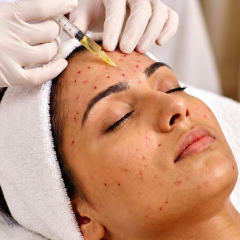
Exosome therapy has become a breakthrough in regenerative aesthetics, often paired with dermapen microneedling to boost skin repair and recovery. Retinol, on the other hand, is one of the most trusted ingredients for anti-ageing and cell renewal. But many people ask: can I mix exosomes with retinol? The answer depends on timing and how each works within the skin.

What Do Exosomes Do for the Skin?

Plant-derived exosomes are tiny messengers that carry growth factors and antioxidants to encourage regeneration, calm inflammation, and accelerate healing. When applied after microneedling, they penetrate more deeply through the microchannels, speeding recovery while improving texture, hydration, and overall skin quality.

What Does Retinol Do?

Retinol (a form of vitamin A) increases cell turnover, stimulates collagen, and reduces fine lines and pigmentation. It’s highly effective but can also cause dryness, flaking, or irritation, particularly after skin treatments that already make the skin more sensitive.

Can You Combine Them?

While both exosomes and retinol are powerful, they should not be applied at the same time after a microneedling session. The skin needs calming and repairing ingredients immediately post-procedure, and retinol would be too harsh.

Instead, exosomes should be used straight after microneedling to soothe and regenerate, while retinol can be reintroduced into your skincare routine a few days later, once the skin barrier has recovered. This way, you benefit from both treatments without overloading or irritating the skin.

Why the Timing Matters

Immediately after microneedling: Use exosomes to calm and accelerate healing.

After recovery (3–5 days): Resume retinol gradually to continue long-term cell renewal.

By alternating them rather than combining them directly, you maximise results safely.

So, Can I Mix Exosomes with Retinol?

The short answer is: not at the same time after exosomes microneedling. Exosomes are best applied immediately to soothe and repair, while retinol should wait until the skin barrier has healed. Used in the right sequence, plant-based exosomes and retinol complement each other beautifully, helping you achieve smoother, healthier, and more youthful-looking skin.

FAQs

Can I use retinol and exosome together?

Yes, retinol and exosomes can both be part of the same skincare routine, but they shouldn’t be applied at the same time, especially after treatments like microneedling. Exosomes are best used immediately post-procedure to calm and repair the skin, while retinol can be reintroduced a few days later once the barrier has healed. Using them in sequence rather than together allows you to enjoy the benefits of both without irritation.

What not to use with exosomes?

Exosomes are gentle and designed to aid skin repair, so they don’t usually conflict with other products. However, after treatments such as microneedling or laser, it’s best to avoid harsh ingredients like retinoids, strong acids (AHAs or BHAs), or benzoyl peroxide at the same time. These can irritate freshly treated skin. Instead, pair exosomes with calming, hydrating products to support healing.

What cannot be paired with retinol?

Retinol can be too harsh when combined with other strong actives. Ingredients to avoid layering directly with retinol include vitamin C, benzoyl peroxide, and exfoliating acids like glycolic, salicylic, or lactic acid. These combinations can overwhelm the skin barrier, leading to dryness, redness, or peeling. To prevent irritation, retinol should be alternated with these actives on different days or used at opposite times (e.g. vitamin C in the morning, retinol at night).

Popular Categories

Skin Treatments

Special Offers

DR Skincare

Related Articles

Hyperpigmentation: Causes, Types and the Most Effective Treatments for Clearer, Even-Toned Ski

Hyperpigmentation: Causes, Types and the Most Effective Treatments for Clearer, Even-Toned Ski

Quick Answer: What Is Hyperpigmentation? Hyperpigmentation is a common skin condition that causes patches of skin to appear darker than the surrounding area. It occurs when the skin produces excess melanin, the pigment responsible for skin colour. Hyperpigmentation can appear as: Brown spots Sun spots Age spots Melasma Acne marks Dark patches after skin injury…

HIFU vs Ultherapy vs Sofwave vs Thermage: Which Skin Tightening Treatment Is Right for You?

HIFU vs Ultherapy vs Sofwave vs Thermage: Which Skin Tightening Treatment Is Right for You?

HIFU vs Ultherapy vs Sofwave vs Thermage: Comparison Guide Non-surgical skin tightening treatments have become increasingly popular for lifting and firming the skin without surgery or downtime. With options like HIFU, Ultherapy, Sofwave, and Thermage, it’s not always obvious which treatment is the right fit for your skin concerns or goals. While all four work…

Real Acne Treatment Results: What to Expect in 3 Months

Real Acne Treatment Results: What to Expect in 3 Months

Seeing real improvement in acne takes time — and for most people, noticeable results begin to appear within 8 to 12 weeks of consistent treatment. Whether you’re starting a clinical skincare plan or a professional treatment programme, understanding what to expect helps you stay consistent and avoid early frustration. Month 1: Skin Adjustment Phase In…

Most Googled Questions About Skin Cancer — Answered

Most Googled Questions About Skin Cancer — Answered

Skin cancer is one of the most common forms of cancer worldwide, yet many people are still unsure about what it looks like, who is at risk, and when they should seek medical advice. During Skin Cancer Awareness Month, we’re answering some of the most frequently searched questions about skin cancer to help you stay…

Template: single.php
0