 中文服务
中文服务







 6 Clinics Across London
 600,000 Treatments
 Free Consultation
 Award Winning Treatments
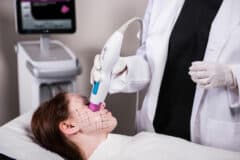
The iPixel resurfacing laser and Fraxel are both non-invasive skin rejuvenation treatments that use laser technology, but they differ in terms of their approach, technology, and specific applications. Here’s a breakdown of the difference between iPixel resurfacing laser and Fraxel:
Technology and Method
- iPixel Resurfacing Laser: iPixel is a fractional ablative laser, meaning it removes the outer layers of skin in tiny, pixelated columns. This laser typically uses an Erbium YAG wavelength, which targets water in the skin tissues, creating controlled micro-injuries. The ablative nature of the iPixel laser leads to significant resurfacing, encouraging the regeneration of new skin cells.
- Fraxel: Fraxel is also a fractional laser treatment, but it comes in both ablative and non-ablative forms. The non-ablative Fraxel lasers, such as Fraxel Restore, penetrate the skin without removing the outer layer, promoting collagen production and skin renewal from beneath. Ablative Fraxel, like Fraxel Repair, functions similarly to iPixel by removing surface skin but with a focused approach to deeper skin layers.
Treatment Depth and Recovery Time
- iPixel Resurfacing Laser: As an ablative treatment, iPixel can deliver more dramatic results in terms of texture and tone improvement. However, due to the removal of the skin’s surface, it requires a longer downtime, typically around 5 to 7 days. Redness and peeling are common during recovery.
- Fraxel: Fraxel treatments vary in intensity. Non-ablative Fraxel involves minimal downtime, with patients often returning to normal activities within a couple of days. Ablative Fraxel treatments, while more intensive, can also require several days of downtime, depending on the depth of treatment.
Specific Applications
- iPixel Resurfacing Laser: iPixel is particularly effective for treating issues like deep wrinkles, scars (including acne scars), stretch marks, post-inflammatory pigmentation and significant sun damage. It is ideal for those seeking more pronounced skin resurfacing and tightening effects.
- Fraxel: Fraxel lasers are versatile and can also treat a range of skin concerns. Non-ablative Fraxel is suitable for mild to moderate skin imperfections, including fine lines, pigmentation, and early signs of ageing. Ablative Fraxel, on the other hand, addresses more severe skin issues like deep wrinkles and scars, similar to iPixel.
Pain and Comfort Levels
- iPixel Resurfacing Laser: Since it is an ablative laser, iPixel treatments can be more uncomfortable, often requiring numbing creams or other pain management during the procedure.
- Fraxel: Non-ablative Fraxel treatments are generally less painful, with a sensation similar to a rubber band snap. Ablative Fraxel can be more uncomfortable, but pain management strategies similar to iPixel are employed to ensure patient comfort.
Results and Longevity
- iPixel Resurfacing Laser: The results from iPixel can be more immediate and dramatic, especially for those with more severe skin concerns. Because it resurfaces the skin, the benefits can last longer, but this depends on skincare maintenance and lifestyle factors.
- Fraxel: Results from Fraxel tend to be more gradual, particularly with non-ablative treatments. The benefits accumulate over multiple sessions, and like iPixel, the longevity of results depends on proper skin care and sun protection.
In summary, the main differences between iPixel and Fraxel lie in the treatment method and intensity. iPixel is an ablative treatment primarily suited for more extensive skin resurfacing and deeper rejuvenation, while Fraxel offers both non-ablative and ablative options. The choice between the two will depend on the specific skin concerns, desired outcomes, and tolerance for downtime. Consulting with our practitioners is the best way to determine which laser treatment is more appropriate for individual needs.




 Back to All Treatments
 In Clinic Consultation
 Telephone Consultation