 中文服务
中文服务







 6 Clinics Across London
 600,000 Treatments
 Free Consultation
 Award Winning Treatments
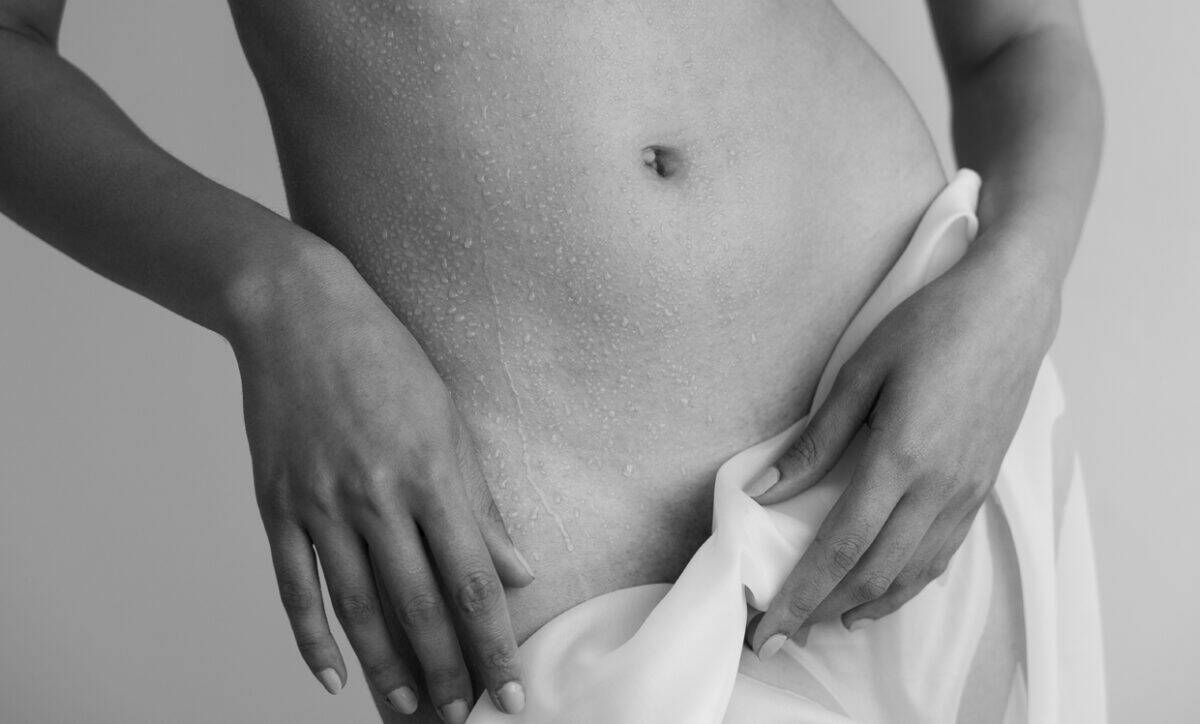
Laser hair removal is an increasingly popular method for achieving smooth, hair-free skin, especially in more sensitive areas such as the bikini line and pubic region. It offers a longer-lasting solution compared to traditional methods like shaving, waxing, or depilatory creams. However, for those new to the treatment, it’s natural to have questions, particularly regarding the shedding process. One of the most common concerns is: Is it normal for pubic hair to fall out after laser treatment?
The short answer is yes—hair falling out after laser hair removal is a completely normal part of the process. To better understand this, it’s helpful to delve into how laser hair removal London treatments work, what to expect post-treatment, and how to care for the treated area.
How Does Laser Hair Removal Work?
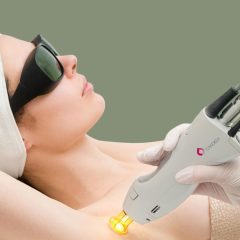
Laser hair removal targets the pigment in the hair follicle. During treatment, a concentrated beam of light penetrates the skin and is absorbed by the melanin (pigment) in the hair. The heat generated by the laser damages the hair follicle, preventing it from producing hair in the future. This damage doesn’t result in immediate hair loss, but rather in a gradual process that typically occurs over a period of days to weeks.
Since hair grows in cycles, laser hair removal is only effective on follicles that are in the active growth phase (anagen phase) at the time of treatment. Multiple sessions are necessary to target all hair follicles in the treated area, which is why you’ll notice a reduction in hair rather than complete removal after each session.
What Happens to Hair After Laser Treatment?
After a laser hair removal session, it’s common for the treated hair to remain in the skin for a short period before shedding. This can take anywhere from 7 to 21 days. During this time, the hair may appear to be growing, but in reality, it’s simply being pushed out as the damaged follicle releases it.
This shedding process can vary from person to person. Some may experience rapid hair fall after treatment, while for others it may be slower. If you’re seeing pubic hair falling out in the days or weeks following your laser session, this is a normal part of the process. It’s a positive sign that the treatment is working.
Is it normal for pubic hair to fall out after laser treatment?
The key reason for hair shedding after laser treatment lies in the way the laser targets the hair follicle. When the follicle is sufficiently damaged, it can no longer support hair growth, causing the hair shaft to loosen and fall out. This process is known as “laser shedding.”
It’s worth noting that not all hair falls out immediately after a single session. As mentioned earlier, hair grows in cycles, and laser treatment is only effective on those follicles in the growth phase. This means that hair from follicles that weren’t in the active growth phase during your first session will still grow, and you’ll need additional treatments to target them.
Is It Safe?
Laser hair removal, when performed by a licensed and experienced professional, is considered safe for most people. The pubic region is a sensitive area, but modern laser technology is designed to minimise discomfort and reduce the risk of skin damage. Some people may experience mild side effects, such as redness, swelling, or a slight burning sensation, but these are typically short-lived.
It’s essential to follow the aftercare instructions provided by your practitioner to ensure the best results and avoid complications. Avoid excessive heat (like hot baths or saunas), sun exposure, and friction in the treated area, as this can irritate the skin.
Aftercare and Tips for Managing Shedding
To help manage the shedding process and care for the treated area, here are a few tips:
- Avoid waxing or plucking: These methods of hair removal target the hair root, which can interfere with the laser treatment. Instead, stick to shaving between sessions.
- Exfoliate gently: A light exfoliation can help to remove dead skin cells and encourage the shedding of treated hairs. However, be gentle, especially in the sensitive pubic area.
- Moisturise regularly: Keeping the skin hydrated can soothe any irritation and prevent dryness. Opt for a fragrance-free lotion or aloe vera gel.
- Be patient: Shedding may take some time, but this is a sign that the treatment is working. Stick to your scheduled sessions for the best results.
When to Speak to a Professional
While hair shedding is a normal and expected outcome after laser hair removal, it’s important to monitor your skin and the treated area for any signs of adverse reactions. If you experience severe redness, blistering, or prolonged discomfort, consult your practitioner for advice.
In conclusion, it is entirely normal for pubic hair to fall out after laser treatment. The shedding process is a positive sign that the laser has effectively targeted the hair follicles, and with consistent treatment, you’ll see a reduction in hair growth over time. Just remember to be patient and follow the aftercare advice to achieve the best results.
Find your laser hair removal near me clinic






 Back to All Treatments
 In Clinic Consultation
 Telephone Consultation