 中文服务
中文服务







 6 Clinics Across London
 600,000 Treatments
 Free Consultation
 Award Winning Treatments

Laser hair removal has become a sought-after method for managing unwanted hair. Whether it’s for convenience, aesthetics, or just the desire to avoid constant shaving or waxing, the treatment is often praised for offering a longer-lasting solution. But, like with many cosmetic procedures, individual results can vary, and one of the factors that can play a role is hormones—specifically testosterone. So, the question arises: how does testosterone affect laser hair removal? To answer that, we need to understand both how the procedure works and the impact of testosterone on hair growth.
The Basics of Laser Hair Removal
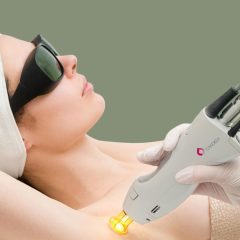
To start, laser hair removal London treatment works by targeting the melanin, or pigment, in your hair. The laser’s light is absorbed by the melanin, and this energy is then converted into heat. That heat damages the hair follicle, which slows down or prevents future hair growth. However, it’s important to note that hair grows in different phases, and the laser is most effective during the anagen (growth) phase. This is why multiple sessions are needed to catch hair at the right stage.
Testosterone’s Role in Hair Growth
Testosterone, the primary male sex hormone, exists in both men and women but in higher quantities in men. It is one of the key hormones responsible for body and facial hair growth. More specifically, testosterone encourages the development of thicker, coarser hair, which we refer to as terminal hair. This is the type of hair you see on the face, chest, and back of individuals with higher testosterone levels.
In contrast, people with lower levels of testosterone tend to have finer, softer body hair, sometimes called vellus hair. Women with conditions like polycystic ovary syndrome (PCOS), which can elevate testosterone levels, often experience hirsutism or the growth of excessive body and facial hair.
How Testosterone Impacts Laser Hair Removal
So, does testosterone directly affect the efficacy of laser hair removal? Not exactly. The laser works by targeting the hair follicle’s melanin, so testosterone doesn’t interfere with the laser’s ability to destroy those follicles. However, testosterone does affect how quickly hair grows back between sessions.
Individuals with higher testosterone levels, such as men or women with hormonal imbalances, may notice that their hair regrows faster after a laser session. Areas that are more hormone-driven, like the chest, back, and face, could require more frequent treatments or touch-ups to achieve and maintain smooth skin.
Laser Hair Removal for Those with High Testosterone Levels
Laser hair removal remains a great option for people with higher testosterone levels, though it’s essential to set realistic expectations. You may need more sessions to see the desired results, and even after completing the treatment plan, touch-up sessions might be necessary. It’s not that the treatment becomes less effective, but rather that hormonal hair growth can be more persistent.
For women dealing with conditions like PCOS, laser hair removal can still offer significant benefits. However, addressing the underlying hormonal imbalance may also help in reducing the rate of hair regrowth. In such cases, working with an endocrinologist alongside your cosmetic technician may be the most effective approach.
Maximising Your Laser Hair Removal Results
If you have higher levels of testosterone or suspect that hormones play a role in your hair growth, here are some tips to get the best results from laser hair removal:
- Commit to a full treatment course: Most people need about 6 to 8 sessions, depending on the area being treated. Follow your technician’s advice regarding session intervals to ensure you’re catching as many hair follicles as possible during the right growth phase.
- Be open to maintenance sessions: If you’re dealing with hormone-related hair growth, it’s possible that you’ll need touch-up treatments every year or so to maintain the smoothness.
- Consider hormone therapy: If you suspect that testosterone or other hormones are contributing to your hair growth, speak to a doctor. For women, addressing hormonal imbalances can significantly reduce hair regrowth over time.
Testosterone does have an impact on how quickly your hair grows, but it doesn’t reduce the effectiveness of laser hair removal. If you have higher levels of testosterone, you might need a few extra sessions or occasional touch-ups to keep things smooth. Laser hair removal remains one of the most effective methods for long-term hair reduction, even for those with higher testosterone levels.











 Back to All Treatments
 In Clinic Consultation
 Telephone Consultation