 中文服务
中文服务







 6 Clinics Across London
 600,000 Treatments
 Free Consultation
 Award Winning Treatments

Rosacea is a common skin condition that affects millions of people around the world, but it can be confusing and frustrating when it appears seemingly out of nowhere. If you’ve noticed redness, visible blood vessels, or small bumps on your face that weren’t there before, you might be dealing with rosacea. But why did I suddenly develop rosacea? And what are the triggers? This article will explore the possible reasons behind the sudden onset of rosacea and what you can do about it.
What Is Rosacea?
Before diving into why you may have developed it, it’s helpful to understand what rosacea is. Rosacea is a chronic skin condition that typically affects the face, causing redness, visible blood vessels, and sometimes small, pus-filled bumps. It often begins with a tendency to blush or flush more easily than other people. Over time, the redness can spread across the nose, cheeks, forehead, and chin, becoming more persistent.
Although rosacea can affect anyone, it most commonly occurs in people with fair skin and typically appears after the age of 30. It’s important to note that rosacea is not an infection or caused by poor hygiene. It is a skin disorder that can flare up and recede, sometimes seeming to develop suddenly, but it often has underlying triggers that might not be immediately obvious.
Why Did I Suddenly Develop Rosacea?
Rosacea can feel like it develops “suddenly,” but often, the factors leading to it may have been present for a while. There isn’t a single cause for rosacea, but a combination of genetic and environmental factors can trigger its onset. Here are a few reasons why you might have developed rosacea seemingly out of the blue:
1. Genetics and Family History
One of the most common reasons people develop rosacea is genetics. If someone in your family has had rosacea, your likelihood of developing it increases. Even if you’ve never had symptoms before, your genetic predisposition can suddenly manifest, especially when combined with other triggers such as environmental factors or lifestyle changes.
2. Changes in Weather or Climate
Sudden changes in weather conditions can trigger the onset of rosacea. If you’ve recently been exposed to extreme temperatures, harsh winds, or high humidity, your skin might react more sensitively than usual. Cold weather can dry out the skin, while heat and sun exposure can lead to increased redness and flare-ups. Even moving to a new climate or experiencing a particularly hot summer or cold winter can prompt the development of rosacea.
3. Stress
Stress is a significant trigger for many skin conditions, including rosacea. When you experience stress, your body releases chemicals like cortisol that can increase inflammation and blood flow to the skin. This can cause the sudden redness and flushing associated with rosacea. If you’ve been through a particularly stressful period recently, it might explain the sudden appearance of rosacea symptoms.
4. Dietary Triggers
Certain foods and drinks can trigger rosacea flare-ups, and if you’ve recently changed your diet or started consuming more of these trigger foods, it might explain the sudden onset. Spicy foods, alcohol (especially red wine), hot drinks, and foods high in histamines can cause rosacea to flare. Even if you haven’t had rosacea before, a sudden shift in your diet might bring it on.
5. Hormonal Changes
Changes in your hormone levels can also contribute to rosacea. This is especially common during times of hormonal shifts, such as pregnancy, menopause, or changes in medication like birth control pills. Hormones can affect the blood vessels in your skin, making you more prone to flushing and redness, which may lead to the development of rosacea.
6. Skin Care Products or Treatments
Your skincare routine might be playing a role in your sudden rosacea development. Harsh skincare products, particularly those containing alcohol, fragrances, or other irritants, can damage the skin’s barrier and trigger rosacea symptoms. If you’ve recently switched products or started using more aggressive treatments like exfoliants or retinoids, it could explain the sudden appearance of rosacea.
7. Sun Exposure
Sun damage is a significant factor in rosacea. Prolonged exposure to UV rays can damage the skin and cause the blood vessels to dilate, leading to persistent redness and the onset of rosacea. Even if you have been diligent about sun protection in the past, an unusual amount of sun exposure or forgetting to use sunscreen during a holiday, for example, could trigger the condition.
What Can You Do About Rosacea?
If you’ve suddenly developed rosacea, it’s important to know that while it’s a chronic condition, there are ways to manage and reduce its symptoms. Here are some steps you can take:
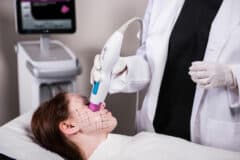
- Consult a dermatologist: A dermatologist can help you determine if you have rosacea and recommend treatments to control it. Topical creams, oral antibiotics, or Rosacea treatment with an IPL device might be suggested, depending on the severity.
- Identify and avoid triggers: Keeping a diary of your diet, environment, and activities can help you spot patterns that might trigger your rosacea. Avoiding these triggers can help reduce flare-ups.
- Use gentle skincare products: Opt for products designed for sensitive skin, and avoid anything with harsh chemicals or alcohol. Make sure to use a broad-spectrum sunscreen daily to protect your skin from UV damage.
- Manage stress: Stress management techniques like meditation, yoga, or regular exercise can help keep rosacea flare-ups at bay.
If you wonder, Why did I suddenly develop rosacea? It can be a perplexing and frustrating experience, but understanding the potential causes can help you better manage the condition. Whether it’s due to genetics, lifestyle changes, or external triggers like diet or sun exposure, there are steps you can take to reduce symptoms and keep flare-ups under control. If you’re concerned about your skin, it’s always best to seek professional advice from one of our practitioners to ensure you get the right treatment and guidance for your specific situation.




 Back to All Treatments
 In Clinic Consultation
 Telephone Consultation