 中文服务
中文服务







 6 Clinics Across London
 600,000 Treatments
 Free Consultation
 Award Winning Treatments
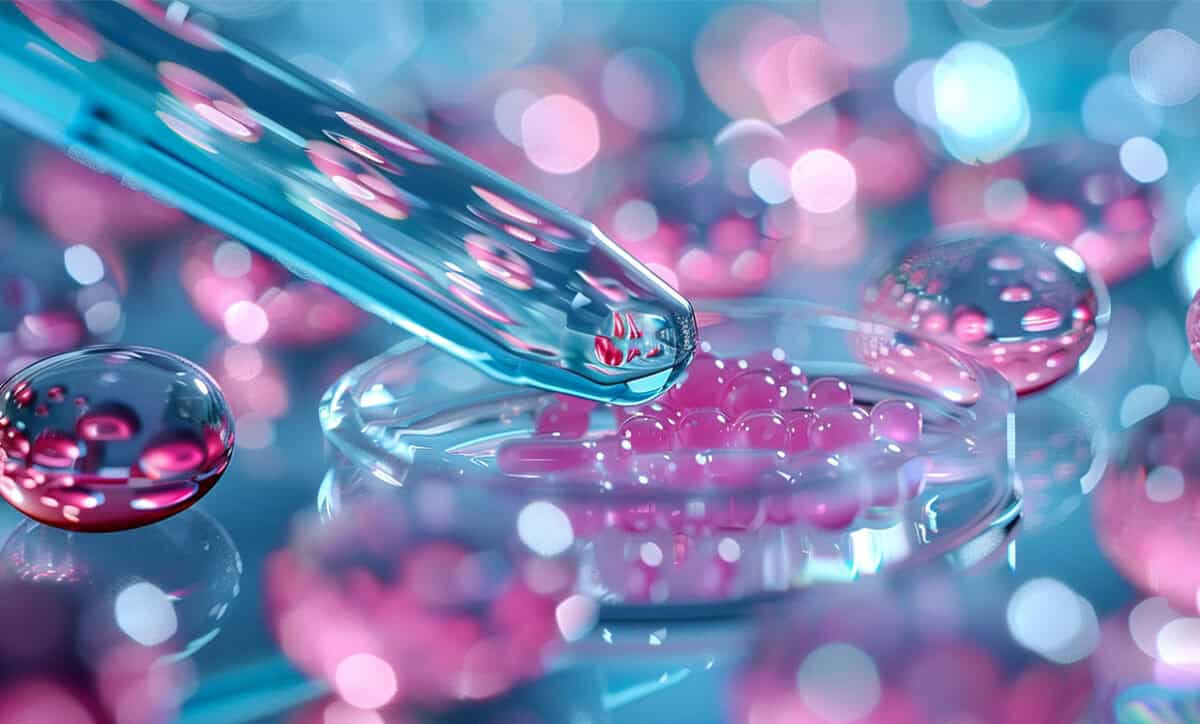
Exosomes are microscopic particles naturally produced by cells and are responsible for intercellular communication. They carry proteins, lipids, and genetic material, playing an essential role in cell repair and regeneration. In the context of aesthetic medicine, exosomes harvested from stem cells have been explored as potential treatments for skin rejuvenation, aiming to repair damage, reduce wrinkles, and improve skin tone, but the question is can exosomes be injected in the face?
In theory, exosomes could offer a novel solution to ageing skin by encouraging skin cells to produce more collagen and elastin, which are vital for maintaining skin firmness and elasticity. However, as exciting as this potential sounds, these treatments are not yet fully approved for cosmetic use in several countries, including the UK.
Can Exosomes Be Injected in the Face?
As of now, exosomes treatment cannot be legally injected into the face in the UK. While there have been experimental treatments in some countries where exosome injections are used in facial aesthetics, the UK’s regulatory bodies have not yet permitted this practice.
The Medicines and Healthcare Products Regulatory Agency (MHRA) oversees the safety and regulation of medical treatments in the UK. Until rigorous clinical trials demonstrate both the safety and effectiveness of exosome-based injectables, they will remain off-limits for use in facial injections.
However, exosomes can be applied topically during dermapen microneedling treatments, which is a superficial method to deliver these regenerative molecules into the skin. Microneedling creates tiny channels in the skin, allowing exosomes to penetrate more effectively and stimulate the skin’s natural repair mechanisms without the need for direct injections. This approach offers a safe, non-invasive alternative for those seeking the benefits of exosomes in skin rejuvenation while adhering to UK regulations.
Why Are Exosome Injections Not Approved in the UK?
The main reason exosome injections are not yet approved in the UK is due to a lack of comprehensive clinical data regarding their safety and efficacy. While exosome therapy holds a lot of promise, it’s essential to ensure that it doesn’t pose risks to patients in the long term. The approval process for any medical treatment or injectable procedure involves rigorous testing, both in clinical trials and through long-term studies.
Here are a few key concerns that regulatory bodies like the MHRA are likely considering:
- Safety: Exosomes are derived from stem cells, and while they are natural and biocompatible, their behaviour inside the human body requires further understanding. The long-term effects of injecting exosomes into the skin are not fully known, and more studies are needed to assess potential risks.
- Consistency: Since exosomes are derived from living cells, there may be variations in their quality or performance. The manufacturing process needs to ensure that the exosomes used in therapy are consistent and safe across all applications.
- Efficacy: Although some anecdotal evidence suggests that exosomes could improve skin health, more controlled studies are needed to confirm that the treatments deliver measurable and lasting benefits.
Alternatives Available in the UK
While exosome injections are not currently an option, there are many other safe, regulated, and effective treatments available in the UK to address facial ageing and skin rejuvenation. These include:
Dermal fillers: Hyaluronic acid-based fillers are a popular option for reducing the appearance of wrinkles and adding volume to the skin. They are MHRA-approved and widely used in cosmetic treatments across the UK.
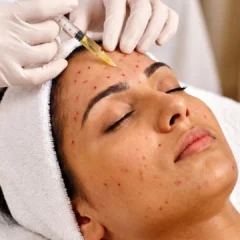
Dracula Facial: Also known as the “vampire facial,” Dracula Facial therapy involves using a patient’s own blood to extract growth factors that can be injected into the skin to promote healing and rejuvenation. This is a natural and minimally invasive option that is MHRA-approved.
Microneedling: This procedure stimulates the skin’s natural collagen production by creating tiny micro-injuries on the surface. It can be combined with topical growth factors or other products to enhance the skin’s healing and renewal process.
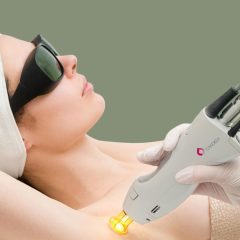
Laser skin resurfacing: This non-invasive treatment, like iPixel, can target wrinkles and fine lines; it’s good for pigmentation treatment and also helps with other signs of ageing. By using controlled laser energy to stimulate skin repair, it can result in smoother, more youthful-looking skin.
What’s Next for Exosome Therapy in the UK?
It’s possible that exosome therapy could become a mainstream treatment in the future, but for now, it remains an area of experimental medicine. Ongoing research will help determine whether exosomes can be safely and effectively used for facial injections in cosmetic treatments. The process of approval is likely to take time, as more evidence from clinical trials will be needed to meet the safety and efficacy standards required by the MHRA.
In the meantime, patients in the UK who are interested in skin rejuvenation have several other proven options available that are both effective and safe.
By addressing this frequently asked question: Can Exosomes Be Injected in the Face? We identify that while exosome injections for the face are not currently allowed in the UK, they remain a promising area of research for future skin rejuvenation treatments. Until they gain regulatory approval as injectable treatments, it’s essential to rely on treatments that are proven, safe, and approved by bodies like the MHRA, which currently is microneedling exosomes. Also, there are plenty of excellent, non-invasive alternatives available that can deliver visible results, helping you achieve smoother, younger-looking skin without the risks associated with unapproved procedures.



 Back to All Treatments
 In Clinic Consultation
 Telephone Consultation