 中文服务
中文服务







 6 Clinics Across London
 600,000 Treatments
 Free Consultation
 Award Winning Treatments

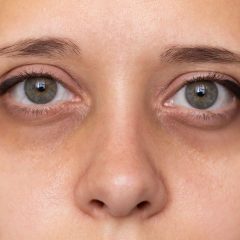
Hyperpigmentation and dark spots are common skin concerns that affect people of all ages and skin types. Whether caused by sun exposure, hormonal changes, or post-inflammatory scarring, these pigmentation issues can often feel stubborn and difficult to treat. One solution that has gained significant attention in recent years is microneedling, a minimally invasive treatment known for its ability to rejuvenate the skin and improve its overall texture and tone.
In this article, we’ll explore the science behind microneedling, how it helps reduce hyperpigmentation and dark spots, and why it’s becoming a popular choice for those seeking a brighter, more even complexion.
What is Microneedling?
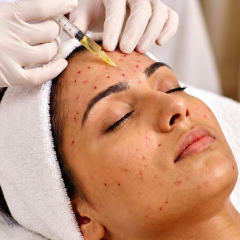
Microneedling, sometimes referred to as collagen induction therapy, involves the use of a device like dermapen fitted with fine, sterile needles that create controlled micro-injuries in the skin’s surface. These tiny punctures stimulate the body’s natural wound-healing process, which includes the production of collagen and elastin—two key proteins that keep the skin smooth, firm, and youthful.
While microneedling is primarily celebrated for its anti-ageing benefits, it’s also highly effective at pigmentation treatment, including dark spots and uneven skin tone. The treatment can be performed by our practitioners, or with at-home devices, although our professional treatments generally yield more significant results.
How Does Microneedling Help With Hyperpigmentation and Dark Spots?
The effectiveness of microneedling in reducing hyperpigmentation lies in its ability to renew the skin and improve its overall texture. Here’s how it works:
- Breaking Up Pigmented Cells
The micro-injuries created by the needles encourage the skin to shed its damaged, discoloured layers. Over time, this process reduces the appearance of hyperpigmentation and dark spots, revealing a more even complexion underneath. - Stimulating Cell Turnover
Microneedling speeds up the skin’s natural exfoliation process by encouraging the production of fresh, healthy skin cells. This not only helps fade existing pigmentation but also prevents new spots from forming. - Boosting Product Absorption
The tiny channels created during microneedling allow topical treatments, such as serums with vitamin C or tranexamic acid, to penetrate deeper into the skin. These products are often used in conjunction with microneedling to target pigmentation directly and enhance the treatment’s effectiveness. - Stimulating Collagen Production
Increased collagen levels improve skin texture and elasticity, helping to smooth out areas of uneven tone and reduce the visibility of dark spots caused by ageing or sun damage.
Who Can Benefit From Microneedling for Hyperpigmentation?
Microneedling is a versatile treatment that can address a variety of pigmentation issues, including:
- Sun Spots: Caused by prolonged exposure to UV rays.
- Melasma: A common pigmentation disorder triggered by hormonal changes.
- Post-Inflammatory Hyperpigmentation: Often a result of acne, injuries, or skin irritation.
- Age Spots on Hands: Pigmentation changes associated with ageing.
Importantly, microneedling is suitable for all skin types, including darker skin tones, which can be more prone to pigmentation issues. However, individuals with active skin conditions, such as acne or eczema, may need to consult a dermatologist before undergoing treatment.
What to Expect During and After Treatment
Microneedling treatments typically last between 30 to 60 minutes, depending on the size of the treatment area. A numbing cream is applied beforehand to minimise discomfort, and most people report only mild sensations during the procedure.
After treatment, it’s normal to experience some redness and slight swelling, similar to a mild sunburn. These effects usually subside within a few days, and improvements in pigmentation can become noticeable within weeks as the skin continues to regenerate. Multiple sessions are often recommended for optimal results.
To protect the skin and maximise the benefits of microneedling, it’s essential to follow post-treatment care instructions, including:
- Avoiding Sun Exposure: Newly treated skin is more sensitive to UV damage.
- Using SPF: A broad-spectrum sunscreen is vital to prevent further pigmentation.
- Moisturising: Keeping the skin hydrated aids in the healing process.
Microneedling vs. Other Treatments for Hyperpigmentation
Microneedling offers several advantages compared to other pigmentation treatments, such as chemical peels or laser therapy:
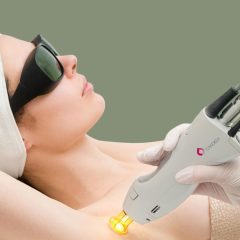
- Minimal Downtime: Unlike laser treatments, microneedling has a shorter recovery period and fewer risks of side effects.
- Customisable: Microneedling can be combined with other treatments, such as serums or light therapy, to enhance results.
- Suitable for All Skin Types: Unlike some lasers, microneedling is safe for darker skin tones, which are more susceptible to hyperpigmentation.
However, it’s important to consult our qualified professionals to determine the best treatment for your specific skin concerns.
The Role of Microneedling in Your Skincare Journey
Microneedling is more than just a trend; it’s a proven method for improving skin tone, reducing pigmentation, and achieving a radiant complexion. While results may take time and multiple sessions, the treatment offers a minimally invasive alternative to more intensive procedures, making it accessible to a wide range of individuals.
By combining microneedling with a tailored skincare routine, including protective measures like DR sunscreen and brightening serums, you can effectively tackle hyperpigmentation and dark spots while enjoying the added benefits of smoother, firmer skin.
If you’re considering microneedling for pigmentation concerns, consult our professionals to discuss your goals and develop a treatment plan that’s right for you. With the right approach, microneedling can be a powerful ally in your journey to clearer, more even skin.






 Back to All Treatments
 In Clinic Consultation
 Telephone Consultation