 中文服务
中文服务







 6 Clinics Across London
 600,000 Treatments
 Free Consultation
 Award Winning Treatments
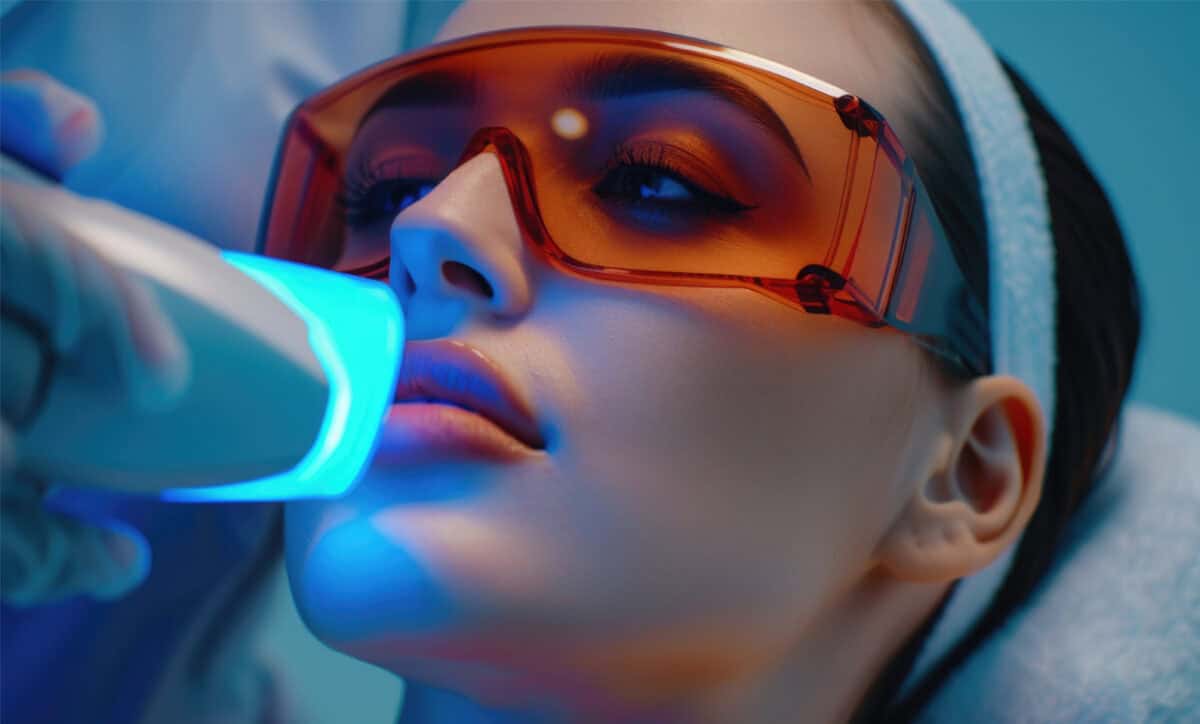
Laser hair removal continues to be one of the most popular aesthetic treatments, offering a lasting solution to unwanted hair with minimal upkeep. As the technology evolves, so does its ability to cater to diverse needs. While artificial intelligence (AI) is set to revolutionise the field in the near future, current advancements in laser technology have already made significant strides in precision, safety, and inclusivity for a variety of skin types and tones.
Let’s explore how the latest technology is shaping today’s treatments and how AI could enhance them even further in the future.
The Current State of Laser Hair Removal Technology
Laser hair removal London treatments has come a long way since its early days, when treatments were limited in scope and effectiveness with IPL devices. Modern devices like the Candela GentleMax Pro have significantly improved the experience, offering customisable settings that cater to a wide range of skin tones and hair types. Advanced systems now combine dual-wavelength technology and cooling mechanisms to ensure optimal results while prioritising safety and comfort.
These innovations address many of the challenges that previously restricted the treatment to individuals with lighter skin tones or darker hair. By offering greater precision and adaptability, today’s machines provide effective options for people with a broader spectrum of skin and hair characteristics.
The Promise of AI in Laser Hair Removal
While the latest technology is already addressing many client needs, AI is set to take laser hair removal to the next level. Here’s how AI is expected to transform the procedure:
- Personalisation on a New Level
AI systems could assess skin tone, hair density, and follicle depth with unmatched accuracy, creating bespoke treatment plans for every client. By eliminating manual adjustments, these systems will reduce errors and ensure consistently high-quality results. - Real-Time Adjustments
AI-driven devices could monitor skin responses during sessions, dynamically adjusting laser settings to minimise discomfort and maximise efficiency. This would enhance safety, particularly for clients with sensitive skin or unique skin tones. - Predictive Capabilities
With the help of AI, treatment plans could become even more tailored. By analysing previous sessions, AI could predict the number of treatments needed and refine protocols to make the process quicker and more effective. - Greater Accessibility
As AI automates and streamlines the process, the cost of treatments may decrease over time, making laser hair removal more accessible to a wider audience. This could pave the way for a more inclusive beauty industry.
Today’s Technology as a Stepping Stone
While AI promises to revolutionise laser hair removal, current devices already offer impressive advancements that set the stage for the future. With dual wavelengths designed to address a variety of skin tones and built-in cooling systems to protect the skin, these machines deliver safe, effective results for a more diverse client base.
For individuals with darker skin tones, who were often excluded from early laser treatments due to concerns about hyperpigmentation, these technologies provide a much-needed solution. The focus on precision and safety ensures that modern treatments are both inclusive and effective, a critical improvement over past limitations.
The Future of Beauty: AI and Beyond
The integration of AI into laser hair removal is about more than just precision—it’s about redefining the experience entirely. By combining cutting-edge technology with real-time feedback and predictive analytics, AI could transform how treatments are delivered, making them faster, safer, and more efficient.
But it’s not just about innovation; it’s about accessibility. The future of laser hair removal lies in creating systems that work for everyone, regardless of skin tone, hair type, or individual sensitivities. AI will play a crucial role in bridging the gap, ensuring that this treatment becomes a truly inclusive option for all.
Why It Matters
The evolution of laser hair removal reflects a broader trend in the beauty industry: the push toward personalisation and inclusivity. While AI holds the promise of a smarter, more efficient future, the technology we have today is already empowering individuals to achieve their beauty goals safely and effectively.
The journey toward AI-driven precision treatments is an exciting one, but even now, laser hair removal is more advanced and accessible than ever before. As we look forward to the possibilities that AI will bring, we’re reminded that innovation isn’t just about technology—it’s about enhancing experiences and making beauty solutions more inclusive for everyone.











 Back to All Treatments
 In Clinic Consultation
 Telephone Consultation