

Why Is My Hair Growing Back Two Days After Laser? - London Premier Laser & Skin Clinic Book Free Consultation
Location Icon 6 Clinics Across London Users Icon 600,000 Treatments Phone Icon Free Consultation Awards Icon Award Winning Treatments

Why Is My Hair Growing Back Two Days After Laser?

By Mary Basiadima, 13 January 2025

Why Is My Hair Growing Back Two Days After Laser?

If you’ve recently had laser hair removal and noticed hair growing back just a couple of days later, you might be wondering: “Did the treatment even work, why is my hair growing back two days after laser?” Don’t worry—this is a completely normal part of the process, and it doesn’t mean the laser wasn’t effective. Let’s break it down.

How Laser Hair Removal Works

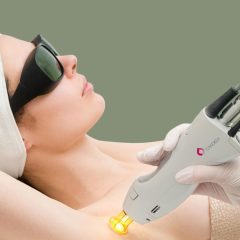
Laser hair removal London treatments target the pigment (melanin) in your hair follicles, heating them to a point where the follicle is damaged and can no longer grow hair. However, not all hair is in the same growth stage at the time of treatment. Hair grows in cycles—anagen (active growth), catagen (transitional), and telogen (resting). The laser only works on hairs in the anagen phase, which is why multiple sessions are needed.

What’s Actually Happening?

The “hair” you’re seeing a few days after treatment isn’t necessarily new growth. It’s often shedding hair being pushed out of the follicle. This is a sign that the laser successfully treated the follicle, and it’s clearing out the dead hair shaft. This shedding process, also called “peppering,” can last anywhere from a few days to a couple of weeks.

In some cases, it may feel like the hair is growing back because it’s breaking through the skin. But rest assured, this hair is on its way out. If you gently exfoliate the area, you might notice it loosens or falls out more quickly.

Why Does It Feel Like Hair Is Growing Back?

If some hair does seem to grow back, there are a few explanations:

Untreated Hairs: Not all hairs were in the active growth phase during your session, so some weren’t affected by the laser. These will continue to grow until they’re treated in a future session.

Shaving Before Treatment: Since you’re typically asked to shave before a laser session, it can be hard to tell which hairs were actively treated. Hair that wasn’t in the growth phase will naturally grow out until the next session.

Hormonal Factors: For some people, conditions like PCOS (polycystic ovary syndrome) or hormonal changes can stimulate new hair growth even during laser treatments.

What Can You Do?

Here are some tips to manage this stage:

Exfoliate Gently: Use a mild exfoliating scrub or a soft washcloth to help the shedding process along. Avoid anything too harsh, as your skin might be sensitive after laser treatment.

Be Patient: It takes an average of 6 to 8 sessions to see significant, long-lasting results. Hair becomes finer and grows slower with each session.

Avoid Waxing or Tweezing: These methods can disrupt the hair growth cycle, making it harder for the laser to target the follicle during future sessions.

Stick to Your Schedule: Ensure you’re attending your appointments at the recommended intervals (usually 4 to 6 weeks apart). This timing aligns with the hair growth cycle, maximising the laser’s effectiveness.

Why Is My Hair Growing Back Two Days After Laser?

Seeing hair reappear shortly after laser hair removal can be frustrating, but it’s all part of the process. With each session, you’ll notice less regrowth, and the hair that does return will be finer and lighter. Trust the process, follow our practitioners advice, and soon you’ll be enjoying smoother, hair-free skin!

FAQs

Why is hair not falling out after laser?

If your hair hasn’t fallen out after a laser session, it’s likely because the shedding process takes a bit of time. Typically, treated hairs start to fall out about 5 to 14 days after your session. It’s important to remember that not all hairs were in the active growth phase when lasered, and only those actively growing are affected by the treatment. Sometimes it may look like the hair is still growing, but it’s actually being pushed out of the follicle. Gentle exfoliation can help speed up the shedding process, but don’t panic if it takes a little longer—it’s perfectly normal!

What happens if you shave 2 days after laser?

Shaving two days after laser hair removal is generally fine, as long as your skin isn’t overly irritated. In fact, shaving is the only hair removal method recommended between sessions since it doesn’t disturb the follicle. Avoid waxing, plucking, or threading, as these can interfere with the laser’s effectiveness. That said, if your skin is feeling sensitive post-treatment, it’s better to wait a bit longer before shaving to avoid irritation or discomfort. Always use a clean, sharp razor and avoid heavy pressure.

How do you know if laser hair removal is not working?

Signs that laser hair removal may not be working as expected include seeing no reduction in hair growth after multiple sessions or noticing no change in the texture or thickness of the hair. It could also be that your hair is growing back at the same rate as before. This might happen if the laser settings weren’t appropriate for your skin and hair type or if the hairs weren’t in the active growth phase during treatment. Always discuss any concerns with your practitioner—they can adjust the settings or reassess your treatment plan. Also, ensure you’re attending your sessions at the recommended intervals, as consistency is key for effective results.


Popular Categories

Skin Treatments

Special Offers

DR Skincare

Related Articles

Real Acne Treatment Results: What to Expect in 3 Months

Real Acne Treatment Results: What to Expect in 3 Months

Seeing real improvement in acne takes time — and for most people, noticeable results begin to appear within 8 to 12 weeks of consistent treatment. Whether you’re starting a clinical skincare plan or a professional treatment programme, understanding what to expect helps you stay consistent and avoid early frustration. Month 1: Skin Adjustment Phase In…

Most Googled Questions About Skin Cancer — Answered

Most Googled Questions About Skin Cancer — Answered

Skin cancer is one of the most common forms of cancer worldwide, yet many people are still unsure about what it looks like, who is at risk, and when they should seek medical advice. During Skin Cancer Awareness Month, we’re answering some of the most frequently searched questions about skin cancer to help you stay…

Post-Pregnancy & Menopause Belly Fat: Why It’s Hard to Lose and What Actually Works

Post-Pregnancy & Menopause Belly Fat: Why It’s Hard to Lose and What Actually Works

For many women, there comes a point where diet and exercise suddenly stop delivering the results they used to. You might be eating well, staying active, doing everything “right” — yet stubborn belly fat simply refuses to shift. This is especially common after pregnancy and during menopause. And it can be frustrating, not just physically,…

What is the best anti-aging treatments for 30s, 40s and 50s

What is the best anti-aging treatments for 30s, 40s and 50s

Ageing is a natural process, but how we delay and optimise skin ageing can make a significant difference to how we look and feel over time. At Premier Laser & Skin Clinics, we believe anti-ageing isn’t about changing your face, it’s about maintaining healthy, radiant, confident skin at every stage of life using the latest…

Template: single.php
0