 中文服务
中文服务







 6 Clinics Across London
 600,000 Treatments
 Free Consultation
 Award Winning Treatments

Laser hair removal is often advertised as a permanent solution to unwanted hair, but is laser hair removal really forever? Many people turn to laser treatments hoping to ditch razors and waxing for good, but the reality isn’t quite as simple.
While laser hair removal can significantly reduce hair growth long-term, it’s not always a one-and-done procedure. Understanding how it works, what affects the results, and whether touch-ups are needed can help set the right expectations.
How Does Laser Hair Removal Work?
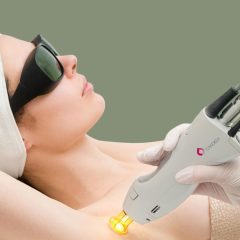
Laser hair removal London sessions work by using light energy to target melanin (pigment) in the hair follicle. The laser heats up the follicle, damaging its ability to grow new hair. Over time, with multiple sessions, many follicles become weakened or destroyed, leading to a drastic reduction in hair growth.
However, hair grows in cycles, and laser treatment is only effective on hairs in the active (anagen) growth phase. Since not all hairs are in this phase at the same time, multiple treatments are required to catch different hairs at their most responsive stage.
Does Laser Hair Removal Permanently Stop Hair Growth?
Laser hair removal is often described as permanent hair reduction rather than permanent hair removal, and for good reason. While many people experience a long-term decrease in hair growth, some hair follicles may recover over time or become active again due to hormonal changes, genetics, or other factors.
The results vary from person to person. Some people achieve smooth, hair-free skin for years, while others may see fine, lighter regrowth over time. This is why occasional maintenance sessions may be needed to keep results at their best.
Factors That Affect Long-Term Results
The success of laser hair removal depends on several factors, including:
- Hair and skin type – The treatment works best on darker hair and lighter skin, as the laser is attracted to pigment. Advances in laser technology now allow effective treatment for darker skin tones, but results may still vary.
- Hormonal influences – Conditions such as PCOS (polycystic ovary syndrome), pregnancy, or menopause can trigger new hair growth, even after laser treatments.
- Treatment area – Some areas, such as the face, are more hormonally sensitive, meaning regrowth is more likely compared to areas like the legs or underarms.
- Consistency of sessions – Following the recommended treatment schedule is crucial. Skipping sessions or not completing the full course can lead to incomplete results.
Is Laser Hair Removal Really Forever?
For many, laser hair removal provides years of hair-free skin, but calling it “forever” can be misleading. Most people experience a major reduction in hair, often up to 80–90%, with any regrowth being lighter, finer, and much slower than before. While some never need another session, others may require an annual touch-up to maintain their results.
Final Thoughts
Laser hair removal offers long-lasting smooth skin, but it isn’t always a permanent fix for everyone. While it significantly reduces hair growth and makes maintenance easier, occasional regrowth can still happen due to hormonal and genetic factors. However, for those looking to minimise hair removal routines and avoid the constant cycle of shaving, waxing, or epilating, laser treatment remains one of the best long-term solutions available.
To get the most effective and longest-lasting results, choosing one of our qualified and experienced laser practitioners is essential. Our professionals can assess your skin type, hair growth patterns, and expectations to ensure the best possible outcome for your unique needs.









 Back to All Treatments
 In Clinic Consultation
 Telephone Consultation