 中文服务
中文服务







 6 Clinics Across London
 600,000 Treatments
 Free Consultation
 Award Winning Treatments
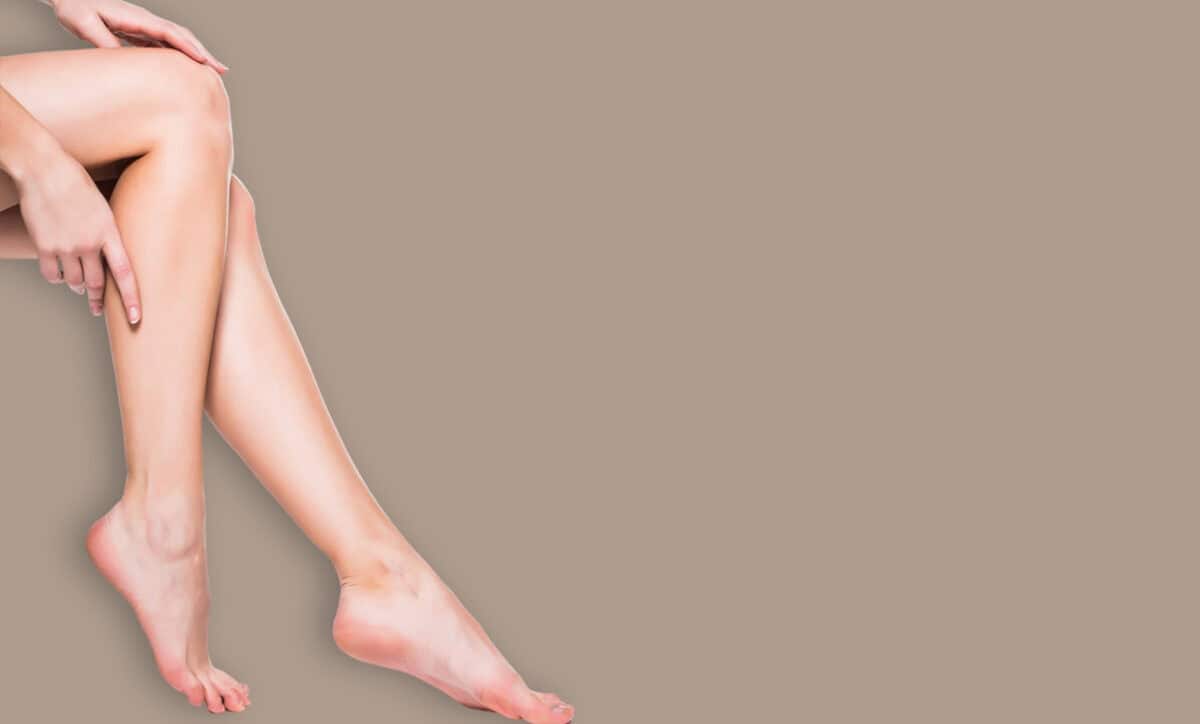
Laser hair removal has become a go-to treatment for long-term hair reduction, offering smooth, fuss-free skin without the constant upkeep of shaving or waxing. But a common question people have is: What happens if you laser an area with no hair? Whether you’re thinking about booking a session or already mid-way through your course, it’s a valid concern — and worth exploring.
How Laser Hair Removal Works
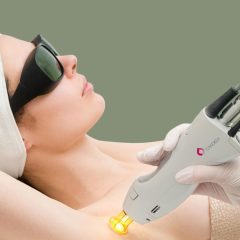
Laser hair removal London treatments work by targeting the pigment (melanin) in the hair. The laser emits a specific wavelength of light that travels down the hair shaft and into the follicle. The heat generated damages the follicle, slowing or stopping future hair growth.
This process is most effective when the hair is in its active growth phase — known as the anagen phase — which is why multiple sessions are needed, spaced out over several weeks.
So What Happens if There’s No Hair?
If the laser is applied to an area where there’s no visible or active hair growth, it simply won’t have much to act on. Since the laser is designed to seek out pigment in the hair, an area without any hair (or with very fine, vellus hair) won’t absorb the energy in the same way.
Here’s what typically happens:
-
No harm is done – The laser doesn’t damage the skin if used correctly by a trained practitioner.
-
No result either – Without a target, the treatment will be ineffective in that specific spot.
-
A slight warming sensation – You may still feel heat or warmth, but that doesn’t mean the treatment is working in that area.
It’s essentially like trying to water a plant that isn’t there — there’s simply nothing for the treatment to affect.
Why It Can Happen
There are a few reasons someone might end up lasering a hairless area:
-
Hair has already been removed in earlier sessions
-
The area was mistakenly marked as needing treatment
-
Hormonal or patchy growth means hair isn’t evenly distributed
While it’s not dangerous, it does highlight the importance of proper skin assessments and communication with your practitioner during each session.
Does It Affect Future Results?
Not at all. Accidentally lasering a hairless patch won’t cause harm or interfere with the overall success of your treatment plan. However, it does mean that part of the session was potentially unnecessary. That’s why our experienced professionals will always re-assess each area before every session, adjusting settings or skipping spots that no longer need treatment.
What Happens If You Laser an Area With No Hair?
If you laser an area with no hair, nothing dramatic happens — the laser simply doesn’t have a target to interact with. It won’t damage the skin if applied properly, but it also won’t produce results in that spot.
The key to effective laser hair removal is timing, assessment, and technique. So if you’re unsure whether an area still needs treatment, it’s always best to raise it with your practitioner before the session begins. A well-tailored approach leads to better results — and fewer wasted zaps.








 Back to All Treatments
 In Clinic Consultation
 Telephone Consultation