 中文服务
中文服务







 6 Clinics Across London
 600,000 Treatments
 Free Consultation
 Award Winning Treatments

Laser hair removal is one of the most effective methods for achieving long-term hair reduction. However, if you’ve recently developed a tan—whether from the sun, a sunbed, or a tanning product—you might be wondering: can you have laser hair removal on tanned skin? It’s a common concern, particularly during the warmer months when sun exposure is hard to avoid.
In this guide, we’ll explain why clinics in London typically won’t perform laser hair removal on tanned skin, what the risks are, and how you can prepare your skin properly for the safest and best results.
How Laser Hair Removal Works
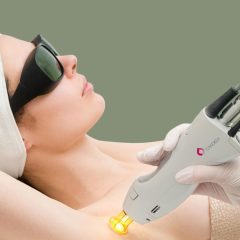
Laser hair removal targets the pigment (melanin) in the hair follicle. The laser emits a beam of light that is absorbed by the melanin, heating the follicle and disrupting future hair growth. The process works best when there is a contrast between the hair and skin colour, typically dark hair against lighter skin.
When the skin is tanned, the melanin levels are higher, not just in the hair but in the skin itself. This makes it harder for the laser to differentiate between the two, increasing the risk of side effects such as burns, blistering, or changes in skin pigmentation.
Can You Have Laser Hair Removal on Tanned Skin Safely?
In many parts of the world, newer laser technologies, such as Nd:YAG lasers, are used to treat darker skin types more safely. However, it’s important to note that in London, reputable clinics follow strict guidelines and will not perform laser hair removal on tanned skin.
This is because tanned skin, even with advanced laser systems, remains more sensitive and prone to pigmentation. Laser Hair Removal London Clinics have a duty of care to minimise risk and ensure treatments are both safe and effective. For this reason, you will usually be advised to postpone your session until your tan has faded.
So, when considering whether you can have laser hair removal on tanned skin, the reality in London is that you’ll likely need to wait until your skin returns to its natural tone.
How Long Should You Wait After Tanning?
Most clinics recommend waiting at least two to four weeks after significant sun exposure before undergoing laser hair removal. This allows the skin’s melanin levels to normalise and reduces the chances of adverse reactions.
If you’ve applied a fake tan, it must be fully removed before your appointment. Tanning products can interfere with the laser’s ability to target the hair follicle effectively, which can impact results and increase the risk of side effects.
What About Sun Exposure After Laser Hair Removal?
After your session, it’s vital to avoid direct sun exposure. Your skin will be more sensitive, and UV rays can increase the risk of pigmentation issues. Always apply a broad-spectrum SPF of 30 or higher to the treated areas, even on cloudy days, and cover up when outdoors.
Tips for the Best Laser Hair Removal Results
- Wait Until Your Tan Fades: To meet safety guidelines and protect your skin.
- Choose an Experienced Clinic: Look for clinics that specialise in laser treatments and follow best practices.
- Plan Ahead: If you know you’ll be exposed to the sun, schedule treatments for autumn or winter.
- Protect Your Skin: Use sunscreen daily and avoid sunbeds and tanning products before and after your sessions.
Why Timing Matters
So, can you have laser hair removal on tanned skin? The answer is generally no — clinics prioritise your safety and will advise against treating tanned skin. It’s best to allow your tan to fade naturally before starting or continuing treatment. By working with our experienced practitioners and following their guidance, you’ll achieve smoother, longer-lasting results without compromising your skin’s health.







 Back to All Treatments
 In Clinic Consultation
 Telephone Consultation