 中文服务
中文服务







 6 Clinics Across London
 600,000 Treatments
 Free Consultation
 Award Winning Treatments

Dermal fillers have transformed non-surgical facial rejuvenation, offering subtle, natural-looking ways to restore lost volume and enhance facial contours. Two of the most commonly requested treatments are cheek fillers and tear trough fillers — but if you’re considering injectables, you might be wondering: what is the difference between cheek fillers and tear trough fillers?
In this blog, we’ll explain how these treatments work, what areas they target, and how to choose the right option for your aesthetic goals.
What Are Cheek Fillers?
Cheek fillers involve the careful placement of dermal filler into the midface area to restore volume, enhance definition, and create a more lifted, youthful appearance. As we age, the fat pads in the cheeks naturally lose volume and shift downward, which can result in hollowing, sagging, and a flattening of the cheekbones.
By adding volume to the cheeks:
- The face appears fresher and more contoured.
- The lower face can look slimmer and more balanced.
- There’s often a natural lifting effect that helps soften lines around the nose and mouth (nasolabial folds).
- Cheek fillers typically use a firmer type of hyaluronic acid filler that provides structure and support.
What Are Tear Trough Fillers?
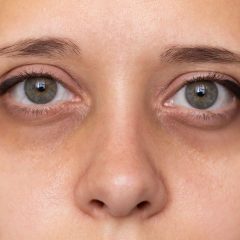
Tear trough fillers are designed to treat the under-eye area, where hollows or dark shadows can give the appearance of tiredness or ageing. The treatment involves injecting a softer, more delicate filler just beneath the skin to:
- Smooth out under-eye hollows.
- Reduce the appearance of dark circles caused by shadowing.
- Create a fresher, more rested look.
Tear trough fillers require precision and expertise because the skin in this area is thin and delicate. The goal is to blend the junction between the lower eyelid and cheek to create a seamless, youthful contour.
The Key Differences Between Cheek Fillers and Tear Trough Fillers
While both treatments utilise hyaluronic acid-based dermal fillers to restore volume, their purposes, techniques, and types of fillers used differ significantly.
Treatment area:
- Cheek fillers target the midface to restore volume, lift, and contour.
- Tear trough fillers focus specifically on the under-eye hollowing.
Filler type:
- Cheek fillers use a thicker, firmer gel designed to provide structural support.
- Tear trough fillers are designed to be softer and smoother, ensuring a natural, subtle finish in delicate tissue.
Purpose:
- Cheek fillers help create overall facial harmony, lift, and structure.
- Tear trough fillers address tired-looking eyes and reduce the appearance of shadows or hollows.
Technique:
- Cheek fillers are often placed deeper, onto the bone or within fat pads.
- Tear trough fillers are placed just beneath the skin’s surface, requiring precise placement to avoid puffiness or irregularities.
Can Cheek Fillers and Tear Trough Fillers Be Combined?
Yes — in fact, combining cheek fillers and tear trough fillers is often the most effective way to rejuvenate the midface. Volume loss in the cheeks can contribute to hollowing under the eyes, so restoring cheek structure first often reduces the need for tear trough filler or improves the final result.
A skilled practitioner will assess your facial proportions and recommend a tailored approach that addresses the root causes of volume loss, ensuring a natural and balanced outcome.
Which Treatment Is Right for You?
If you’re concerned about hollow or flat cheeks, loss of definition, or sagging in the midface, cheek fillers may be the ideal choice. On the other hand, if your main concern is dark circles or hollowing under the eyes, tear trough fillers may be more suitable.
At Premier Laser & Skin Clinics, all treatments begin with a thorough consultation to assess your unique features and discuss your goals. This ensures the most appropriate and safe treatment plan for your needs.
Cheek Fillers vs Tear Trough Fillers
So, what is the difference between cheek fillers and tear trough fillers? While both are designed to restore volume and rejuvenate, they target different areas and concerns. A personalised approach often involves a combination of both, helping you achieve natural, harmonious results that enhance your facial features without changing what makes you unique.







 Back to All Treatments
 In Clinic Consultation
 Telephone Consultation