 中文服务
中文服务







 6 Clinics Across London
 600,000 Treatments
 Free Consultation
 Award Winning Treatments

Dermal fillers are a popular, non-surgical solution for restoring facial volume, softening lines, and enhancing facial contours. While the treatment itself is relatively quick with minimal downtime, it’s natural to feel slightly concerned if you notice unusual sensations afterwards, particularly if your face feels like it’s throbbing.
So, why is your face throbbing after filler? In most cases, it’s completely normal. But knowing what’s expected and what’s not can help you feel more confident during your healing process.
What Causes Throbbing After Filler?
A throbbing sensation is usually part of the body’s natural inflammatory response to treatment. Even with the most experienced injector, filler placement involves fine needles or cannulas passing through the skin, and this can cause mild trauma to the surrounding tissues. The body responds by increasing blood flow to the area, which may result in a pulsing or warm sensation, especially in the first 24 to 48 hours.
You might also experience a feeling of tightness or mild pressure as the filler integrates into the tissue. In areas with more nerve endings, such as the lips or cheeks, you may notice this sensation more prominently. This is particularly true if your skin is naturally sensitive or if the treatment was your first experience with injectables.
Another common reason for throbbing is swelling. After treatment, a small amount of inflammation is expected as part of the healing process. This can press gently on nearby nerves, contributing to a throbbing or tender feeling. The good news is that this usually subsides within a few days as the swelling reduces and the skin settles.
When Is Throbbing Normal — and When Is It Not?
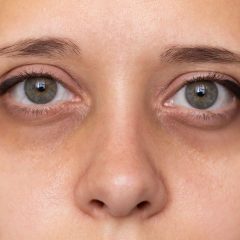
In the majority of cases, mild throbbing is nothing to worry about. Many clients describe a dull ache or subtle pulsing that comes and goes in the first two days after their appointment. This is especially common after treatments in the nose, temples, or under-eye area, where the tissue is thinner and the nerves are more concentrated.
However, it’s important to pay attention to how your skin looks and feels overall. If the sensation worsens over time or is accompanied by more concerning symptoms — such as severe pain, discolouration (like pale, white, grey or blue tones), or changes in vision — you should contact your practitioner immediately. While extremely rare, these could be signs of a complication like a vascular occlusion, where filler unintentionally blocks blood flow. Prompt intervention is key in such cases, and reputable clinics like Our Clinics are fully trained in how to manage them safely.
How to Ease Post-Filler Throbbing
Most post-treatment discomfort can be managed at home. Applying a cool compress (with a barrier between the ice and skin) can help reduce swelling and calm the area. Avoiding alcohol, strenuous exercise, and high temperatures — such as saunas or hot baths — for the first 24 to 48 hours is also advised, as these can increase blood flow and exacerbate swelling.
It’s a good idea to sleep slightly elevated and avoid pressing on the treated areas. Over-the-counter pain relief, such as paracetamol, can be used if needed, but always follow your healthcare practitioner’s guidance.
If you’ve experienced throbbing after previous treatments, let your medical injector know during your consultation. They may adjust the technique or product used to better suit your skin’s sensitivity.
Can You Prevent It?
While some post-filler sensations are unavoidable, choosing a highly skilled, medically qualified injector is the best way to minimise risks. In our Clinics, all injectors are trained to assess your anatomy, apply filler with precision, and provide aftercare advice that supports a smooth recovery.
Being honest during your consultation about any previous experiences, medications, or medical history also helps ensure the safest outcome.
Why Is My Face Throbbing After Filler?
In most cases, a throbbing sensation after dermal filler is completely normal and simply part of the healing process. It’s often related to swelling, increased blood flow, or localised sensitivity in the treated area. That said, you know your body best, and if anything feels out of the ordinary, it’s always worth checking in with your practitioner for peace of mind.
At Premier Laser & Skin Clinics, your safety and comfort come first, from consultation through to aftercare.





 Back to All Treatments
 In Clinic Consultation
 Telephone Consultation