

Is Laser Hair Removal Safe for Sensitive Skin? - London Premier Laser & Skin Clinic Book Free Consultation
Location Icon 6 Clinics Across London Users Icon 600,000 Treatments Phone Icon Free Consultation Awards Icon Award Winning Treatments

Is Laser Hair Removal Safe for Sensitive Skin?

By Mary Basiadima, 8 October 2025

Is Laser Hair Removal Safe for Sensitive Skin?

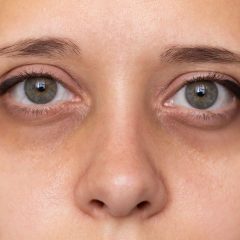
If you have sensitive skin, the idea of laser hair removal can feel a little daunting. Many people worry that the laser’s heat might trigger redness, irritation, or discomfort, especially if their skin reacts easily to shaving or waxing. The good news is that with modern technology and proper care, laser hair removal is safe for sensitive skin when performed by an experienced practitioner.

Why Sensitive Skin Reacts Differently

Sensitive skin tends to have a weaker protective barrier, meaning it’s more prone to redness, dryness, or inflammation when exposed to heat, friction, or harsh ingredients. Shaving and waxing can often make this worse, as both methods cause surface irritation and micro-tears in the skin.

Laser hair removal, on the other hand, targets the hair follicle beneath the surface rather than pulling or scraping the skin. When done correctly, it can actually be gentler in the long term than other hair removal methods, as it reduces the need for repeated shaving or waxing that can aggravate sensitive skin.

How Laser Hair Removal Works

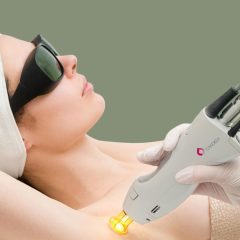
The treatment works by emitting light energy that’s absorbed by the pigment in the hair follicle. This energy converts to heat, damaging the follicle and preventing future growth. Modern medical-grade lasers, such as Alexandrite and Nd: YAG systems, are designed with advanced cooling technology to protect the skin’s surface while targeting only the hair root.

For sensitive skin, choosing the right laser type is essential. The Alexandrite laser is often used for lighter skin tones, while the Nd: YAG laser is safer for darker complexions or skin prone to sensitivity. Your practitioner will select the appropriate settings based on your skin type, ensuring both safety and comfort.

What to Expect If You Have Sensitive Skin

If you have reactive or delicate skin, your practitioner will likely start with a patch test to see how your skin responds before beginning the full treatment. During each session, you may feel a quick snapping sensation, similar to a light elastic flick, but cooling technology immediately soothes the skin to prevent irritation.

After treatment, mild redness can appear but usually fades within a few hours. Using an aloe vera gel or a cold compress can help calm the area. Avoiding heat, exercise, and perfumed skincare products for 24–48 hours will also help reduce the risk of sensitivity.

How to Prepare for Treatment

To ensure your skin stays calm throughout your course, it’s important to:

  • Avoid sun exposure or self-tanning products before and after sessions.
  • Shave (not wax or pluck) before treatment so the laser can target the hair root effectively.
  • Use gentle, fragrance-free skincare products.
  • Keep your skin well-hydrated and protected with SPF.

When performed correctly, laser hair removal can even improve the overall texture of sensitive skin over time by reducing inflammation caused by constant shaving.

A Gentle Solution for Long-Term Results

So, is laser hair removal safe for sensitive skin? Absolutely, as long as it’s done with the right technology, technique, and aftercare. Medical-grade lasers allow practitioners to customise settings for every skin type, ensuring the treatment is both safe and effective.

For many people with sensitive skin, laser hair removal London treatments become a long-term solution that not only reduces unwanted hair but also helps prevent irritation, razor burn, and ingrown hairs, leaving the skin smoother, calmer, and more comfortable than before.

FAQs

Can I do laser hair removal if I have sensitive skin?

Yes, you can safely have laser hair removal even if you have sensitive skin, as long as it’s performed by a qualified practitioner using medical-grade laser technology. Modern devices such as the Alexandrite or Nd: YAG laser include built-in cooling systems that protect the skin while targeting only the hair follicle. A patch test is usually done beforehand to check how your skin reacts and to adjust settings for your comfort. With the right precautions and aftercare, laser hair removal can be gentler on sensitive skin than frequent shaving or waxing.

What are the side effects of laser hair removal for sensitive skin?

For people with sensitive skin, mild side effects such as redness, slight swelling, or warmth can occur shortly after treatment, similar to a mild sunburn. These effects are temporary and typically fade within a few hours. Applying soothing aloe vera gel and avoiding heat, sun exposure, and strong skincare products for 24–48 hours helps prevent irritation. When performed properly, laser hair removal does not damage the skin barrier and is considered a safe option for long-term hair reduction.

What do dermatologists say about laser hair removal?

Dermatologists generally agree that laser hair removal is one of the safest and most effective methods for long-term hair reduction, provided it’s carried out by a trained professional using the correct laser for the individual’s skin tone and hair type. The treatment is medically approved and widely recommended for reducing unwanted hair growth and preventing conditions like folliculitis or ingrown hairs. Dermatologists also emphasise the importance of choosing a reputable clinic and following aftercare advice to ensure the skin remains healthy and protected throughout the course.

Popular Categories

Skin Treatments

Special Offers

DR Skincare

Related Articles

Hyperpigmentation: Causes, Types and the Most Effective Treatments for Clearer, Even-Toned Ski

Hyperpigmentation: Causes, Types and the Most Effective Treatments for Clearer, Even-Toned Ski

Quick Answer: What Is Hyperpigmentation? Hyperpigmentation is a common skin condition that causes patches of skin to appear darker than the surrounding area. It occurs when the skin produces excess melanin, the pigment responsible for skin colour. Hyperpigmentation can appear as: Brown spots Sun spots Age spots Melasma Acne marks Dark patches after skin injury…

HIFU vs Ultherapy vs Sofwave vs Thermage: Which Skin Tightening Treatment Is Right for You?

HIFU vs Ultherapy vs Sofwave vs Thermage: Which Skin Tightening Treatment Is Right for You?

HIFU vs Ultherapy vs Sofwave vs Thermage: Comparison Guide Non-surgical skin tightening treatments have become increasingly popular for lifting and firming the skin without surgery or downtime. With options like HIFU, Ultherapy, Sofwave, and Thermage, it’s not always obvious which treatment is the right fit for your skin concerns or goals. While all four work…

Real Acne Treatment Results: What to Expect in 3 Months

Real Acne Treatment Results: What to Expect in 3 Months

Seeing real improvement in acne takes time — and for most people, noticeable results begin to appear within 8 to 12 weeks of consistent treatment. Whether you’re starting a clinical skincare plan or a professional treatment programme, understanding what to expect helps you stay consistent and avoid early frustration. Month 1: Skin Adjustment Phase In…

Most Googled Questions About Skin Cancer — Answered

Most Googled Questions About Skin Cancer — Answered

Skin cancer is one of the most common forms of cancer worldwide, yet many people are still unsure about what it looks like, who is at risk, and when they should seek medical advice. During Skin Cancer Awareness Month, we’re answering some of the most frequently searched questions about skin cancer to help you stay…

Template: single.php
0