 中文服务
中文服务







 6 Clinics Across London
 600,000 Treatments
 Free Consultation
 Award Winning Treatments
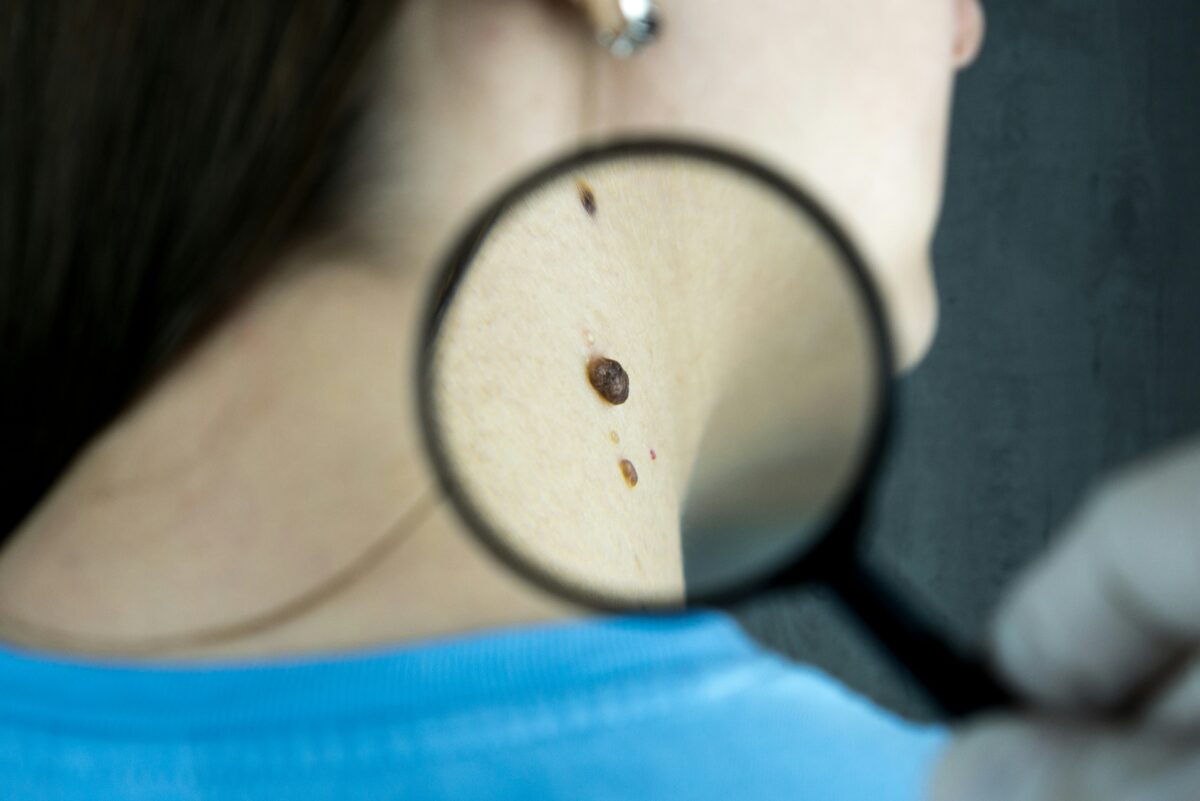
Skin cancer is one of the most common forms of cancer worldwide, yet many people are still unsure about what it looks like, who is at risk, and when they should seek medical advice. During Skin Cancer Awareness Month, we’re answering some of the most frequently searched questions about skin cancer to help you stay informed and protect your skin.
1. What Does Skin Cancer Look Like?
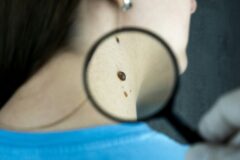
Skin cancer can appear in many different forms. It may look like:
- A new mole or growth
- A mole that changes in size, shape, or colour
- A sore that does not heal
- A scaly or crusty patch
- A shiny bump or pearly spot
- A lesion that bleeds easily
Not all skin cancers look the same, which is why any persistent or changing skin lesion should be checked by a professional.
The ABCDE Rule for Melanoma
When assessing moles, dermatologists often use the ABCDE rule:
- A — Asymmetry: One half does not match the other
- B — Border: Irregular or uneven edges
- C — Colour: Multiple colours or uneven pigmentation
- D — Diameter: Larger than 6mm
- E — Evolving: Changes over time
If you notice any of these signs, book a skin assessment promptly.
2. What Are the Different Types of Skin Cancer?
The three main types of skin cancer are:
Basal Cell Carcinoma (BCC)
The most common type. Often appears as a pearly bump, pink patch, or non-healing sore. It usually grows slowly and rarely spreads but should still be treated.
Squamous Cell Carcinoma (SCC)
Often appears as a rough, scaly, or crusted lesion. SCC can spread if left untreated.
Melanoma
The most serious form of skin cancer. Melanoma often develops from changing moles and can spread quickly if not detected early.
Early diagnosis significantly improves treatment outcomes.
3. Can You Get Skin Cancer If You Don’t Sunbathe?
Yes.
While UV exposure is one of the biggest risk factors, skin cancer can affect anyone — even people who avoid tanning or rarely spend time in direct sunlight.
Risk factors include:
- Fair skin
- History of sunburns
- Family history of skin cancer
- Frequent tanning bed use
- A high number of moles
- Weakened immune system
- Long-term cumulative sun exposure
Even everyday exposure from walking, driving, or outdoor activities adds up over time.
4. Is Skin Cancer Dangerous?
Some forms are highly treatable when detected early, but certain types — particularly melanoma — can become life-threatening if ignored.
That’s why regular skin checks are important. Early detection often means:
- Less invasive treatment
- Better cosmetic outcomes
- Higher cure rates
- Lower risk of complications
5. Does Skin Cancer Hurt or Itch?
Sometimes — but not always.
Many early skin cancers are painless. However, warning signs can include:
- Itching
- Bleeding
- Tenderness
- Crusting
- Persistent irritation
- A sore that repeatedly heals and returns
If something on your skin feels “different” or does not heal properly, it is worth having it assessed.
6. Can Young People Get Skin Cancer?
Yes.
Although skin cancer is more common in older adults, melanoma is one of the more common cancers diagnosed in young adults.
Excessive sun exposure and tanning bed use during teenage years can significantly increase long-term risk.
Skin protection should begin early and continue year-round.
7. How Can I Protect My Skin?
Daily sun protection is one of the best ways to reduce skin cancer risk.
Dermatologists recommend:
- Wearing broad-spectrum SPF 30 or higher every day
- Reapplying sunscreen every two hours outdoors
- Wearing hats, sunglasses, and protective clothing
- Seeking shade during peak UV hours
- Avoiding tanning beds
- Checking your skin regularly for changes
UV rays can damage skin even on cloudy days.
8. How Often Should I Have a Skin Check?
This depends on your individual risk factors.
You may benefit from regular professional skin examinations if you:
- Have many moles
- Have a personal or family history of skin cancer
- Burn easily
- Notice changing lesions
- Spend significant time outdoors
Many people choose annual skin checks as part of their preventative healthcare routine.
9. What Happens During a Skin Cancer Screening?
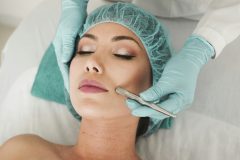
A skin cancer screening is usually quick and non-invasive.
During the appointment, a clinician will:
- Examine your skin from head to toe
- Assess any concerning moles or lesions
- Use specialised tools such as dermoscopy if needed
- Recommend monitoring, biopsy, or treatment if necessary
Early evaluation can provide reassurance or help identify issues before they become more serious.
10. When Should I See a Professional?
Book a skin assessment if you notice:
- A new or changing mole
- A spot that bleeds or does not heal
- Persistent redness or irritation
- Sudden changes in texture or colour
- A lesion that looks noticeably different from others
Trust your instincts. If something looks unusual, it is always better to have it checked.
Final Thoughts
Skin cancer awareness is not just about summer holidays or sunny weather — it’s about lifelong skin health.
Understanding the warning signs, practising daily sun protection, and scheduling regular skin checks can make a significant difference.
If you have concerns about a mole, lesion, or changing area of skin, seeking professional advice early is one of the most important steps you can take.
Book a Professional Skin Check
Here at Premier Laser Clinic, we offer comprehensive skin assessments and mole evaluations performed by experienced professionals.
If you would like peace of mind or have concerns about a changing spot, contact our team to schedule an appointment.










 Back to All Treatments
 In Clinic Consultation
 Telephone Consultation