

Preparing For Your Honeymoon With Laser Hair Removal - London Premier Laser & Skin Clinic Book Free Consultation

☀️ Sale Extended: £100 OFF selected skin treatments over £400 with code SUMMER100. Learn more here

00  00:00:00

Location Icon 6 Clinics Across London Users Icon 600,000 Treatments Phone Icon Free Consultation Awards Icon Award Winning Treatments

Preparing For Your Honeymoon With Laser Hair Removal

By Mary Basiadima, 7 April 2012

Preparing For Your Honeymoon With Laser Hair Removal

After months of planning and excitement, your honeymoon is the time to finally relax and enjoy married life. Whether you’re staying in the UK, jetting off across Europe or escaping somewhere tropical, you’ll want to feel confident and carefree, and that includes having smooth, hair-free skin.

Why Couples Choose Laser Hair Removal Before the Wedding

More brides and grooms are choosing laser hair removal before their big day. For many, it’s not just about the honeymoon, it’s about feeling their best from the moment they walk down the aisle. Because laser hair removal takes a few sessions to deliver full results, it’s best to start your treatment course a few months before the wedding. That way, by the time you head off on your honeymoon, your skin will be silky smooth and maintenance-free.

Long-Lasting, Pain-Free Confidence

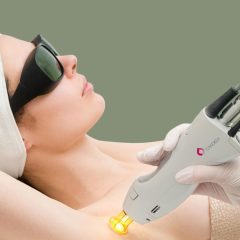
Laser hair removal is one of the most effective and long-lasting ways to reduce unwanted hair without damaging the skin. It works by targeting the hair follicle with precise light energy, safely preventing future regrowth. Over time, hair becomes finer and lighter until it stops growing altogether.

Think of it as an investment, you’ll save money on razors, waxing strips and salon visits, while enjoying smoother skin that lasts far beyond the honeymoon.

Why Men Are Getting Involved Too

It’s not just brides booking laser sessions. Many grooms are now discovering the benefits of laser hair removal London, choosing treatments for their chest, back or beard line before the big day. It’s a simple way to look and feel fresh, with no risk of shaving rash or irritation on holiday.

Travel and Skin Tips for Your Honeymoon

If you’re heading somewhere sunny, remember to pack a high-factor SPF to protect your freshly treated skin. Laser-treated areas can be more sensitive to the sun, so staying protected helps maintain your results and prevents irritation.

You’ll also have one less thing to worry about when packing, no need for razors or waxing kits taking up space in your luggage. That means more room for clothes, shoes and souvenirs.

Whether your honeymoon involves beach swims or mountain hikes, planning your treatments early ensures your skin looks its best, so you can focus on enjoying every moment together.


FAQs

When to do laser hair removal before a wedding?

It’s best to start laser hair removal around three to six months before your wedding. The treatment works gradually, and several sessions are needed to target all hairs in different growth cycles. Starting early ensures your skin is smooth and hair-free for your wedding day and honeymoon. If you’re planning multiple areas, your practitioner can tailor a treatment schedule that fits your timeline. For those based in the capital, many couples begin their course of laser hair removal London in winter or early spring to be ready for summer weddings.

Should I wax for a honeymoon?

Waxing before your honeymoon might seem convenient, but it’s a short-term fix that can cause redness or irritation, especially in warmer climates. If you want smoother, longer-lasting results, laser hair removal is a far better option. It prevents regrowth, eliminates ingrown hairs, and leaves skin soft and low-maintenance, so you can enjoy your holiday without worrying about stubble or scheduling another wax.

What should you not do before laser hair removal?

Before laser hair removal, avoid tanning, sunbeds, and self-tanning products for at least two weeks, as these can make your skin more sensitive to the laser. Don’t wax, pluck, or use hair removal creams, since the laser needs the hair root to target effectively. You can, however, shave the area about 24 hours before your appointment. Also avoid using lotions, oils, deodorants, or perfumes on the day of treatment. Keeping your skin clean and calm helps ensure the best possible results.

Popular Categories

Skin Treatments

Special Offers

DR Skincare

Related Articles

Hyperpigmentation: Causes, Types and the Most Effective Treatments for Clearer, Even-Toned Ski

Hyperpigmentation: Causes, Types and the Most Effective Treatments for Clearer, Even-Toned Ski

Quick Answer: What Is Hyperpigmentation? Hyperpigmentation is a common skin condition that causes patches of skin to appear darker than the surrounding area. It occurs when the skin produces excess melanin, the pigment responsible for skin colour. Hyperpigmentation can appear as: Brown spots Sun spots Age spots Melasma Acne marks Dark patches after skin injury…

HIFU vs Ultherapy vs Sofwave vs Thermage: Which Skin Tightening Treatment Is Right for You?

HIFU vs Ultherapy vs Sofwave vs Thermage: Which Skin Tightening Treatment Is Right for You?

HIFU vs Ultherapy vs Sofwave vs Thermage: Comparison Guide Non-surgical skin tightening treatments have become increasingly popular for lifting and firming the skin without surgery or downtime. With options like HIFU, Ultherapy, Sofwave, and Thermage, it’s not always obvious which treatment is the right fit for your skin concerns or goals. While all four work…

Real Acne Treatment Results: What to Expect in 3 Months

Real Acne Treatment Results: What to Expect in 3 Months

Seeing real improvement in acne takes time — and for most people, noticeable results begin to appear within 8 to 12 weeks of consistent treatment. Whether you’re starting a clinical skincare plan or a professional treatment programme, understanding what to expect helps you stay consistent and avoid early frustration. Month 1: Skin Adjustment Phase In…

Most Googled Questions About Skin Cancer — Answered

Most Googled Questions About Skin Cancer — Answered

Skin cancer is one of the most common forms of cancer worldwide, yet many people are still unsure about what it looks like, who is at risk, and when they should seek medical advice. During Skin Cancer Awareness Month, we’re answering some of the most frequently searched questions about skin cancer to help you stay…

Template: single.php
0