 中文服务
中文服务







 6 Clinics Across London
 600,000 Treatments
 Free Consultation
 Award Winning Treatments

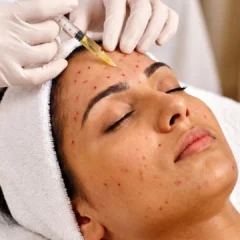
Injectable treatments are constantly evolving, and one of the latest to rise in popularity is polynucleotides. Unlike traditional dermal fillers, which restore lost volume, polynucleotides focus on skin regeneration and repair. This has led many people to ask: are polynucleotides safer than fillers?
What Are Polynucleotides?
Polynucleotides are injectable treatments made from purified DNA fragments. When introduced into the skin, they stimulate healing, improve hydration, boost collagen, and calm inflammation. They are particularly beneficial for sensitive or compromised skin, as well as for addressing fine lines, scarring, and loss of elasticity.
What Are Fillers?
Dermal fillers, most commonly made of hyaluronic acid, add or restore volume to areas such as the lips, cheeks, and jawline. They can also soften wrinkles and contour facial features. While highly effective, fillers work by adding structure, whereas polynucleotides work by repairing skin quality.
Safety Comparison
Polynucleotides: Generally considered very safe, as they integrate with the skin and stimulate natural repair processes. Risks of lumps or migration are minimal compared to fillers.
Fillers: Also safe when performed by trained professionals, but they carry slightly higher risks, such as swelling, migration, or, in rare cases, vascular complications.
Neither treatment is unsafe, but polynucleotides may be better tolerated in those with sensitive or reactive skin.
Which Is Right for You?
The choice depends on your goals:
If you want to restore lost volume or enhance facial contours, fillers remain the go-to option.
If your priority is skin health, elasticity, and regeneration, polynucleotides may be more suitable.
Some practitioners even combine the two, using fillers for structure and polynucleotides to improve skin quality.
So, Are Polynucleotides Safer Than Fillers?
Both treatments are safe when carried out by experienced professionals, but polynucleotides have fewer risks of complications because they work with the skin rather than adding volume. If you’re asking, are polynucleotides safer than fillers?, the answer is that they may offer a gentler, regenerative approach, especially for those focused on long-term skin health.






 Back to All Treatments
 In Clinic Consultation
 Telephone Consultation