 中文服务
中文服务







 6 Clinics Across London
 600,000 Treatments
 Free Consultation
 Award Winning Treatments

Laser tattoo removal has improved dramatically in recent years, but one of the most common questions clients still ask is do all colours fade with laser? The short answer is yes, most colours can fade, but not all pigments respond in the same way or at the same speed. Understanding how colour behaves under laser treatment is key to setting realistic expectations before starting the process.
Why Colour Matters in Tattoo Removal
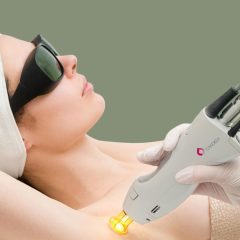
Laser tattoo removal works by targeting pigment particles in the skin. The laser delivers energy at specific wavelengths, which the ink absorbs, breaking it into smaller fragments. Your body then gradually clears these fragments through the lymphatic system.
Different ink colours absorb laser energy differently. Darker colours absorb light more easily, which is why some tattoos fade faster than others. Lighter or more complex pigments reflect more light, making them harder to break down and often requiring additional sessions.
Colours That Fade Most Easily
Black ink is the easiest colour to remove because it absorbs the widest range of laser wavelengths. Dark blue and dark grey inks also respond well and often show visible fading early in the treatment course. These colours are usually found in older or simpler tattoos, which is why some clients see quicker progress than expected.
Colours That Take Longer
Green, light blue, and turquoise inks are more challenging because they reflect more of the laser energy than they absorb. Red and orange pigments can also take longer, depending on how deeply the ink was placed and the type of pigment used. Yellow and white inks are the most difficult to treat, as they contain very little pigment that lasers can effectively target.
Advanced technologies such as picosecond lasers have improved the clearance of stubborn colours, but even with modern systems, these shades often require more sessions and patience.
Why Tattoos Fade Unevenly
It’s very common for tattoos to fade unevenly. One colour may disappear quickly while another remains visible for longer. This doesn’t mean the treatment isn’t working; it reflects how each pigment responds differently to laser energy. Layered or professional tattoos also contain more ink, which naturally takes longer to break down than amateur designs.
What Influences Colour Clearance
The age of the tattoo, ink density, skin type and the location on the body all play a role in how colours fade. Tattoos on areas with good circulation, such as the arms, often clear faster than those on the hands, ankles or feet. Consistent spacing between sessions and good aftercare also significantly affect results.
Setting Realistic Expectations
So, do all colours fade with a laser? Most colours will fade to some degree, and many can be removed almost completely with the right technology and enough sessions. However, lighter and more complex colours usually take longer and may not clear as fully as black ink. A professional consultation allows your practitioner to assess your tattoo and explain which colours are likely to respond fastest and which may require a longer treatment plan.









 Back to All Treatments
 In Clinic Consultation
 Telephone Consultation