 中文服务
中文服务






 6 Clinics Across London
 600,000 Treatments
 Free Consultation
 Award Winning Treatments

Laser hair removal is often marketed as a cosmetic treatment, but in practice, it involves powerful medical-grade technology interacting directly with the skin. This raises an important and increasingly common question: Should laser hair removal be done by a nurse? While the answer isn’t as simple as yes or no, understanding who performs your treatment, and what qualifications they hold, is essential for safety, effectiveness and long-term results.
Laser Hair Removal Is a Clinical Procedure
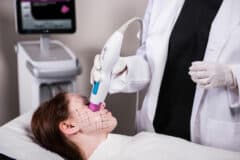
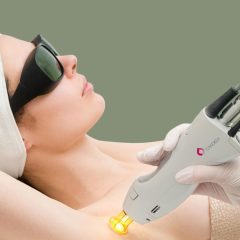
Professional laser hair removal works by delivering concentrated light energy to the hair follicle. If the laser settings are incorrect or the skin is not properly assessed, the risks can include burns, pigmentation changes or prolonged irritation. This is why laser hair removal should never be treated as a routine beauty service.
A nurse brings medical training, clinical judgement and experience in assessing skin reactions, which can add an extra layer of safety, particularly for clients with darker skin tones, hormonal hair growth, sensitive areas or a history of pigmentation.
What NVQ Level Should a Laser Practitioner Have?
In the UK, anyone performing and specifically laser hair removal London practitioners should hold a minimum NVQ Level 3 qualification in Laser and Light-Based Therapies, or an equivalent regulated qualification. This level confirms that the practitioner has been trained in skin anatomy, hair growth cycles, laser physics, consultation procedures, contraindications and safe treatment delivery.
NVQ Level 3 is widely recognised as the industry standard for laser hair removal. It demonstrates that the practitioner has completed supervised practical training, not just theoretical learning or short courses. This is particularly important when using medical-grade laser devices that require precise assessment and careful parameter selection.
Most of our practitioners hold NVQ Level 4 or advanced laser qualifications. While Level 4 is not legally required for laser hair removal, it reflects a deeper clinical understanding and is often associated with medically led clinics or more complex laser treatments. For higher-risk cases, this additional expertise can be especially valuable.
Does the Practitioner Have to Be a Nurse?
Legally, laser hair removal in the UK does not have to be performed by a nurse, provided the practitioner is properly qualified, insured and working within a regulated setting. However, clinics that involve nurses or operate under medical supervision tend to follow stricter protocols, more detailed consultations and higher safety standards.
Nurses are trained to assess medical history, medications and skin conditions that may affect treatment outcomes. They are also better equipped to recognise and manage unexpected skin reactions should they occur.
Why Experience Matters as Much as Qualifications
While being a nurse is a strong indicator of medical knowledge, experience with laser technology is equally important. A highly experienced laser practitioner with NVQ Level 3 or above, working under clinical protocols, can deliver excellent results. Conversely, inadequate training, regardless of job title, increases risk.
The safest approach is choosing a clinic where laser hair removal is performed by experienced professionals who understand both skin health and laser technology, with medical oversight available when needed.
What This Means for Clients
If you are considering laser hair removal, especially on sensitive areas or with a higher skin type, it’s important to ask who will be carrying out your treatment and what qualifications they hold. Knowing that your practitioner has at least NVQ Level 3 training and operates within a clinical framework provides reassurance that safety and results are prioritised.
Rather than focusing solely on whether the practitioner is a nurse, it’s more helpful to look at training level, experience, consultation quality and whether the clinic follows medical-grade standards.
Making an Informed Decision
So, should laser hair removal be done by a nurse? While it isn’t a legal requirement, medical training can add valuable expertise and reassurance. What matters most is that treatments are performed by properly qualified, experienced practitioners who hold recognised NVQ certifications and work within a safe, regulated clinical environment.





 Back to All Treatments
 In Clinic Consultation
 Telephone Consultation