The Cultural Rise of Minimally Invasive Beauty
Once reserved for the elite or those seeking dramatic transformations, cosmetic procedures have become more subtle, accessible, and ubiquitous. Treatments like dermal fillers and Morpheus8 signal a shift toward “enhanced naturalism,” where results aim to perfect rather than alter. This growing preference for minimally invasive interventions aligns with a cultural narrative that values looking “naturally” flawless—though the effort to achieve this look is anything but natural.
The Sculptor’s Touch
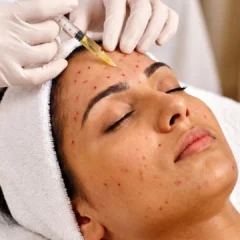
Dermal fillers have revolutionised the way we approach ageing, offering precise contouring to accentuate cheekbones, smooth nasolabial folds, or plump thinning lips. Far from the frozen faces of yesteryear, modern filler techniques embrace a more refined aesthetic that prioritises subtlety. Yet this has sparked debates: does this obsession with perfection perpetuate unattainable beauty standards, or empower individuals to feel confident in their own skin?
Redefining Ageless Skin
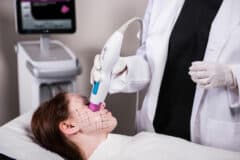
Dubbed the “non-surgical facelift,” Morpheus8 combines microneedling with radiofrequency to tighten and rejuvenate the skin. Popularised by celebrities, this treatment offers dramatic results with minimal downtime, making it a favourite among those seeking to defy gravity and time. Its rise also signals society’s growing demand for solutions that deliver transformative effects while sidestepping invasive surgery.
The Glass Skin Effect
The pursuit of luminous, poreless skin—often referred to as “glass skin”—has transcended K-beauty trends to become a global phenomenon. Enter exosomes microneedling, a cutting-edge treatment that pairs skin regeneration with cellular-level rejuvenation. Exosomes, derived from stem cells, are hailed as the future of anti-ageing, promoting collagen production and healing for a radiant, almost ethereal complexion.
The social appeal of treatments like these lies in their promise: a flawless canvas that looks effortlessly natural yet distinctly polished. However, they also underscore the societal pressure to maintain a perfect appearance at any cost, both financial and emotional.
The Societal Implications of Beauty Innovation
As these treatments become more mainstream, their impact on self-esteem and identity grows ever more profound. For some, they offer a sense of empowerment, allowing individuals to take control of their appearance and rewrite their own beauty narrative. But for others, they can reinforce feelings of inadequacy, as the bar for “natural beauty” is continuously raised.
Social media amplifies this tension, creating an endless loop of comparison. With influencers using many layers of filters, the pressure to keep up becomes relentless—fueling a demand for interventions that promise to erase flaws and enhance natural beauty.
The Age of ‘Effortless Perfection’
The rise of dermal fillers, Morpheus8, and exosome-infused microneedling isn’t just about aesthetics; it’s a reflection of our deeper cultural values. These treatments mirror our aspirations, insecurities, and the relentless pursuit of control in a world where appearance increasingly feels like a personal brand.
As the line between enhancement and authenticity continues to blur, one thing is clear: the societal impact of beauty trends will remain as dynamic and multifaceted as the treatments themselves.
So, is this evolution of beauty empowering or problematic? The answer lies in how we, as a society, choose to engage with it—and whether we can learn to celebrate diversity and imperfection alongside technological innovation.
 中文服务
中文服务







 6 Clinics Across London
 600,000 Treatments
 Free Consultation
 Award Winning Treatments



 Back to All Treatments
 In Clinic Consultation
 Telephone Consultation