 中文服务
中文服务







 6 Clinics Across London
 600,000 Treatments
 Free Consultation
 Award Winning Treatments

Polynucleotides have become one of the most talked-about regenerative treatments in aesthetic medicine, particularly for improving skin quality, texture and elasticity. As their popularity grows, many clients naturally want to understand more about them, especially their origin. A common and important question is: where do polynucleotides come from?
Understanding their source helps clarify how they work and why they are considered safe and biocompatible when used correctly.
What Are Polynucleotides?
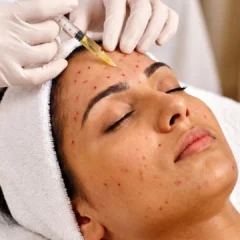
Polynucleotides are chains of nucleotides, which are the building blocks of DNA. In aesthetic medicine, they are used as regenerative injectables designed to stimulate cellular repair, improve hydration and encourage collagen production. Unlike dermal fillers, they do not add volume. Instead, they support the skin’s natural ability to regenerate and strengthen itself.
Their role is not to “fill” but to repair and restore skin quality from within.
Their Biological Origin
In medical aesthetics, polynucleotides are typically derived from highly purified DNA fragments. Most commonly, they are sourced from salmon or trout DNA. This might sound surprising at first, but fish DNA is structurally very similar to human DNA, making it highly biocompatible and well-tolerated by the body.
The raw material undergoes extensive purification and sterilisation processes before being formulated into an injectable medical product. By the time it is used in a clinic, it is no longer recognisable as its original source; it is a refined, medical-grade compound designed for safe therapeutic use.
Why Fish-Derived DNA?
Salmon-derived polynucleotides are widely used because they are stable, consistent and well-studied. Their molecular structure supports tissue repair, reduces inflammation and encourages fibroblast activity, the cells responsible for collagen production.
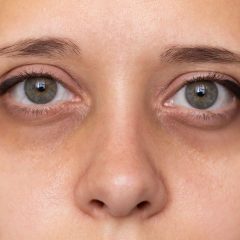
This makes them particularly effective for fragile, thinning or crepey skin, as well as under-eye rejuvenation and post-inflammatory repair.
Are They Safe?
When administered by certified practitioners, polynucleotides have a strong safety profile. Because they are biocompatible and purified, the risk of allergic reaction is low. However, as with any injectable treatment, suitability must be assessed during consultation. Individuals with certain allergies or medical conditions may require further discussion before treatment.
Choosing a regulated clinic ensures that only licensed, approved products are used.
How They Differ from Other Injectables
Unlike hyaluronic acid dermal fillers, which add immediate volume, polynucleotides work gradually. They stimulate repair, improve hydration and strengthen the skin over time. Results develop progressively as collagen production increases.
This regenerative approach is why they are often described as a “skin quality” treatment rather than a volumising one.
A Regenerative Approach to Skin Health
So, where do polynucleotides come from? In aesthetic medicine, they are derived from purified salmon or trout DNA, refined into a safe, medical-grade injectable that supports natural skin repair. Their origin may sound technical, but their purpose is simple: to help the skin regenerate and function more effectively.






 Back to All Treatments
 In Clinic Consultation
 Telephone Consultation