

Will I Pass PCOS to My Daughter? - London Premier Laser & Skin Clinic Book Free Consultation
Location Icon 6 Clinics Across London Users Icon 600,000 Treatments Phone Icon Free Consultation Awards Icon Award Winning Treatments

Will I Pass PCOS to My Daughter?

By Mary Basiadima, 8 September 2025

Will I Pass PCOS to My Daughter?

Polycystic ovary syndrome (PCOS) is one of the most common hormonal conditions in women, affecting everything from menstrual cycles to skin health. For many mothers living with the condition, one of the biggest concerns is: Will I pass PCOS to my daughter? The answer is not straightforward, but research shows there is a genetic element.

The Genetic Link

Studies suggest that PCOS can run in families. If a mother has PCOS, her daughter may have a higher chance of developing it compared to someone with no family history. However, genetics are not the only factor. Lifestyle, environment, and individual hormone responses all play a role in whether PCOS actually develops.

Why Symptoms Vary

Even if PCOS does occur, it may look very different from one person to another. Some women struggle mainly with irregular periods, while others may face issues like acne, weight gain, or excessive hair growth known as hirsutism. This wide variation means that having a genetic predisposition does not guarantee the same experience across generations.

Understanding Hirsutism in PCOS

Hirsutism happens when higher levels of androgens (male hormones present in all women) cause thicker, darker hair to grow in areas like the face, chest, or stomach. For many women, this is one of the most visible and distressing symptoms of PCOS, impacting self-esteem and confidence.

Supportive Treatment Options

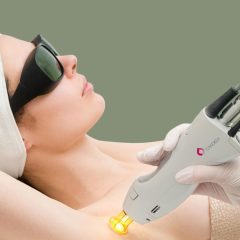
While PCOS itself cannot be cured, symptoms like hirsutism can be managed effectively. Women with PCOS often choose laser hair removal because it targets hair at the follicle, reducing regrowth over time. Unlike shaving or waxing, which can be frustrating and temporary, laser treatments can provide longer-lasting relief and smoother skin, offering a sense of control over one of the condition’s most difficult symptoms.

So, Will I Pass PCOS to My Daughter?

There is a genetic link, meaning your daughter may have a higher risk of PCOS if you have it yourself. However, it’s not guaranteed, and even if she does develop PCOS, her symptoms may differ from yours. What matters most is awareness; knowing the signs early allows for better management, whether that’s through lifestyle changes, medical support, or treatments such as laser hair removal London treatments to help with hirsutism.

During PCOS Awareness Month, it’s important to remember that while PCOS can run in families, with the right care and support, its symptoms don’t have to define daily life.

FAQs

What are the chances of passing on PCOS?

PCOS is thought to have a genetic component, which means it can run in families. If a mother has PCOS, her daughter has a higher risk of developing it compared to someone without a family history. However, there’s no exact percentage, as lifestyle, environment, and hormonal factors also play a major role in whether PCOS develops.

Can you get PCOS from dad’s side?

Yes, research suggests PCOS can be inherited from either side of the family. While only women develop PCOS, men can carry and pass on genetic traits linked to insulin resistance or hormone regulation that may increase the likelihood of PCOS in their daughters.

Are you born with PCOS or develop it?

You’re not born with PCOS as a fully developed condition, but you may inherit a genetic predisposition that makes you more likely to develop it. PCOS usually becomes noticeable during the teenage years or early adulthood, when hormone levels change, though symptoms can vary widely between individuals.

Popular Categories

Skin Treatments

Special Offers

DR Skincare

Related Articles

Real Acne Treatment Results: What to Expect in 3 Months

Real Acne Treatment Results: What to Expect in 3 Months

Seeing real improvement in acne takes time — and for most people, noticeable results begin to appear within 8 to 12 weeks of consistent treatment. Whether you’re starting a clinical skincare plan or a professional treatment programme, understanding what to expect helps you stay consistent and avoid early frustration. Month 1: Skin Adjustment Phase In…

Most Googled Questions About Skin Cancer — Answered

Most Googled Questions About Skin Cancer — Answered

Skin cancer is one of the most common forms of cancer worldwide, yet many people are still unsure about what it looks like, who is at risk, and when they should seek medical advice. During Skin Cancer Awareness Month, we’re answering some of the most frequently searched questions about skin cancer to help you stay…

Post-Pregnancy & Menopause Belly Fat: Why It’s Hard to Lose and What Actually Works

Post-Pregnancy & Menopause Belly Fat: Why It’s Hard to Lose and What Actually Works

For many women, there comes a point where diet and exercise suddenly stop delivering the results they used to. You might be eating well, staying active, doing everything “right” — yet stubborn belly fat simply refuses to shift. This is especially common after pregnancy and during menopause. And it can be frustrating, not just physically,…

What is the best anti-aging treatments for 30s, 40s and 50s

What is the best anti-aging treatments for 30s, 40s and 50s

Ageing is a natural process, but how we delay and optimise skin ageing can make a significant difference to how we look and feel over time. At Premier Laser & Skin Clinics, we believe anti-ageing isn’t about changing your face, it’s about maintaining healthy, radiant, confident skin at every stage of life using the latest…

Template: single.php
0