 中文服务
中文服务







 6 Clinics Across London
 600,000 Treatments
 Free Consultation
 Award Winning Treatments

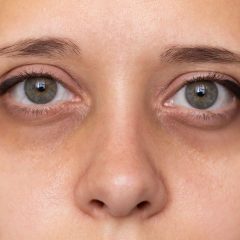
Hyperpigmentation, or skin pigmentation caused by sun exposure, is a common skin issue in the UK. It results in uneven skin tones and dark patches. While challenging, it is manageable with modern dermatological treatments. This blog explores various effective methods for treating sun-induced hyperpigmentation without naming specific medications.
Laser Therapy
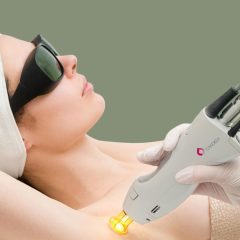
One of the premier treatments for hyperpigmentation is laser therapy with IPL M22 or iPixel and Picosure Laser. This method utilises concentrated light to target and break down excess melanin in the skin precisely. It’s effective for various types of hyperpigmentation and generally requires several sessions to achieve optimal results. Laser therapy is praised for its precision and the ability to deliver long-lasting improvements.
Chemical Peels
Chemical peels are another potent solution for diminishing the appearance of dark spots. These treatments involve applying a solution to the skin, which causes the top layer to peel away, revealing fresher, lighter skin beneath. Cosmelan peel and Herbal Green Peel vary in strength and are chosen based on the individual’s skin type and pigmentation severity. They are particularly effective for treating large areas of pigmentation.
Microneedling
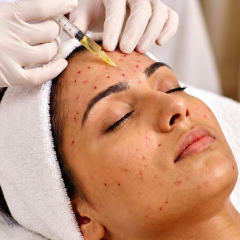
Microneedling is a procedure that revitalises the skin by inducing collagen production. It involves using fine needles to create micro-punctures in the skin, stimulating the natural healing process. This method is often enhanced by applying topical serums to promote skin lightening, making it a versatile option for pigmentation treatment.
Advanced Laser Facials
Specifically, tailored facials such as the Harmony Clearlift facial or the Laser Carbon Spectra that focus on pigmentation issues can also be beneficial. These facials use a combination of lightening agents and exfoliants to reduce melanin production and remove dead skin cells, brightening the complexion. They are a gentle option suitable for those who might not be ready for more invasive procedures.
Preventative Skincare
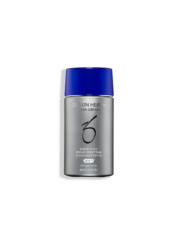
Beyond treatments, prevention plays a crucial role in managing hyperpigmentation. Incorporating a high-SPF sunscreen into your daily routine is essential to protect the skin from further UV damage. Additionally, wearing protective clothing and avoiding peak sunlight hours can help maintain the results of any treatment and prevent new dark spots from forming.
Tailored Treatment Plans
Often, a combination of treatments, customised to the individual’s needs and skin type, yields the best results. Our practitioners may recommend a multi-faceted approach, combining in-clinic procedures with at-home skincare to effectively combat hyperpigmentation.
Treating sun-induced hyperpigmentation effectively requires a multifaceted approach that includes advanced treatments and diligent preventive care. The methods highlighted offer promising results for those looking to improve their skin’s appearance and health. Consulting with our skin care specialist, who can tailor a treatment plan to your specific needs, is recommended to ensure safe and effective care. With the right combination of therapies, it is possible to significantly reduce the visibility of sun-induced hyperpigmentation and achieve a clearer, more even complexion.





 Back to All Treatments
 In Clinic Consultation
 Telephone Consultation