 中文服务
中文服务







 6 Clinics Across London
 600,000 Treatments
 Free Consultation
 Award Winning Treatments

As we bask in the pleasure of sunny days, understanding the UV Index can play a pivotal role in protecting our skin from the harmful effects of ultraviolet (UV) rays. Using the UV index to protect against harmful sun rays, developed by the World Health Organisation, provides a daily forecast of the expected risk of overexposure to the sun. This index is an essential tool for anyone looking to spend time outdoors, especially in regions like the UK where the sun might sometimes deceive with its mild appearance.
What is the UV Index?
The UV Index measures the level of UV radiation expected to reach the earth’s surface at noon when the sun’s rays are at their strongest. This scale ranges from 1 to 11+, where higher values represent a greater risk of harm from unprotected sun exposure. Understanding these levels can help you decide on the necessary precautions to protect your skin.
How to Use the UV Index for Skin Protection
- Check the Daily UV Index: Before planning any outdoor activity, it’s wise to check the local UV Index, which can easily be found on weather forecast websites and apps. This will guide you on how risky sun exposure might be for the day.
- Plan Around the Sun: Try to schedule outdoor activities for earlier in the morning or later in the afternoon when the UV levels are lower. Between 10 a.m. and 4 p.m., the sun’s rays are most intense, so consider indoor activities during these hours if the UV Index is high.
- Wear Protective Clothing: Long-sleeved shirts, trousers, and broad-brimmed hats can provide excellent protection. Darker colours absorb UV rays more effectively than lighter ones.
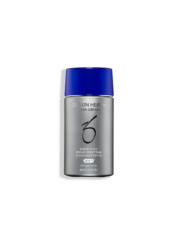
- Use Broad-Spectrum Sunscreen: This is where choosing the right sunscreen becomes crucial. A broad-spectrum sunscreen with a high SPF can significantly reduce the amount of UV radiation that reaches the skin. We recommend the SPF 50 Sunscreen from DR, which offers both UVA and UVB protection. Suitable for all skin types, this sunscreen is a perfect ally for your skin, providing moisture without leaving a greasy residue.
Why Choose SPF 50 Sunscreen from DR?
London DR SPF 50 Sunscreen stands out for its dermatologically tested formula that suits all skin types, including sensitive skin. Its 100ml packaging makes it incredibly travel-friendly, ensuring that you can carry it everywhere you go—from daily commutes to exotic holidays. Applying this sunscreen 30 minutes before sun exposure and reapply every two hours can safeguard your skin from premature ageing and the risk of skin cancer.
Remember the Sunglasses
Protecting your eyes is just as important as shielding your skin. UV rays can cause cataracts and other eye issues. Wearing sunglasses with 100% UV protection can shield your eyes from harmful rays and reduce the risk of eye diseases.
By using the UV index to protect against harmful sun rays in your daily routine and using effective sun protection like DR SPF 50 Sunscreen, you can enjoy the sun safely. Remember, the key to effective sun protection is preparation and prevention. Start by making these practices a part of your daily skincare regimen and enjoy a healthier, sun-safe lifestyle.





 Back to All Treatments
 In Clinic Consultation
 Telephone Consultation