

Do Exosomes Regrow Hair? - London Premier Laser & Skin Clinic Book Free Consultation
Location Icon 6 Clinics Across London Users Icon 600,000 Treatments Phone Icon Free Consultation Awards Icon Award Winning Treatments

Do Exosomes Regrow Hair?

By Mary Basiadima, 27 February 2025

Do Exosomes Regrow Hair?

Loosing hair can be an emotional and frustrating experience, whether ageing, hormonal changes, or genetics cause it. For years, treatments have been limited to medications, hair transplants, and the Dracula Facial. But recently, a new approach has been gaining attention—exosomes therapy. You might have heard about exosomes in relation to regenerative medicine, but do Exosomes regrow hair, or is it just another overhyped trend?

What Are Exosomes?

In the UK, exosomes used in hair growth are not derived from human stem cells like in some other countries. Instead, they come from plant-based sources, harnessing powerful growth factors and signalling molecules to encourage regeneration.

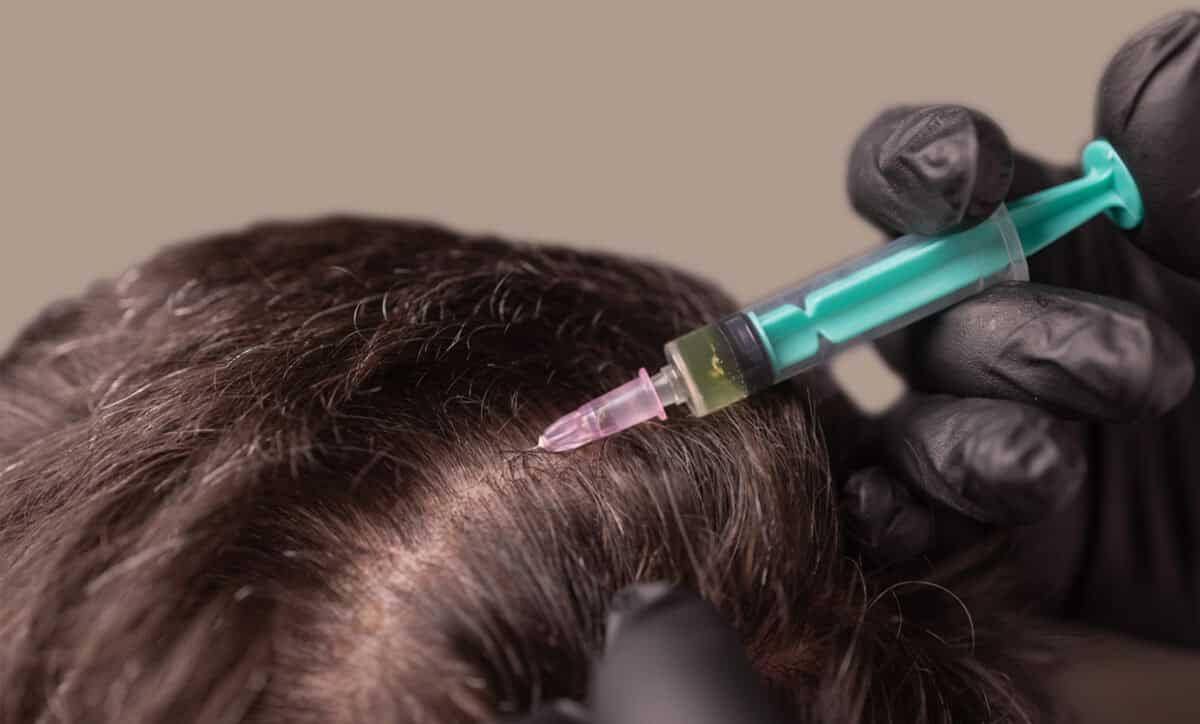
Applied through microneedling, these exosomes penetrate the scalp, sending signals to wake up dormant hair follicles, improve scalp health, and boost hair thickness. Unlike injections, this method enhances absorption while also stimulating collagen production, which can improve overall scalp condition.

Do Exosomes Regrow Hair?

Although research is still evolving, early results are promising. Exosome therapy appears to:

  • Prolong the hair growth phase (keeping follicles active for longer)
  • Reduce inflammation in the scalp, which can contribute to hair loss
  • Improve hair density by strengthening existing strands

However, it’s important to be realistic. While exosomes may stimulate regrowth in cases of early-stage hair thinning, they are not a cure for complete baldness. The best results are seen in men and women experiencing mild to moderate hair loss rather than those with long-term follicle inactivity.

Exosomes vs. Dracula Facial – Which Works Better?

The Dracula Facial  has been a go-to option for hair growth treatment for years, using the body’s own growth factors to stimulate hair regrowth. However, exosomes contain a plant range of growth factors, potentially delivering a stronger regenerative effect.

Some clinics now suggest combining both treatments—using exosomes to enhance cell communication and repair, while microneedling with platelets boosts circulation and collagen production.

Are Exosomes the Future of Hair Loss Treatment?

Exosome therapy is still an emerging field, but its ability to stimulate hair follicles without surgery makes it an exciting option. While long-term studies are needed to measure how effective it is over time, the potential for natural, non-invasive hair restoration is definitely worth exploring.

Would you try exosome therapy for hair growth, or do you prefer more traditional treatments? Let’s talk about it!


FAQs

How long does it take for exosomes to grow hair?

Exosome therapy for hair loss doesn’t deliver instant results—it works gradually by stimulating dormant hair follicles and improving scalp health. Most people start to notice changes in hair texture, thickness, or density within three to six months, but full results can take up to a year.

This is because hair grows in cycles, and exosomes help extend the anagen (growth) phase, meaning the improvements happen as your natural hair cycle progresses. Factors like age, overall scalp health, and the severity of hair thinning can affect how quickly you see results.

If you’re considering exosomes, patience is key. The treatment rejuvenates hair over time, making it a great option for those looking for a natural, long-term solution rather than a quick fix.

Can a 70-year-old woman regrow hair?

Yes, but the results depend on what’s causing the hair loss. At 70, hair thinning is often linked to hormonal changes, reduced collagen production, and decreased blood flow to the scalp. While hair follicles may become weaker and less active, they don’t necessarily shut down completely.

Treatments like exosome therapy, microneedling, and scalp stimulation can encourage stronger, thicker hair growth. However, if hair follicles have been inactive for many years (as seen in advanced hair loss), regrowth may be minimal or require a combination of treatments.

For the best results, it’s worth consulting with our specialist to assess scalp health, nutrition, and possible underlying issues like vitamin deficiencies or medical conditions. While a 70-year-old woman may not regain the hair density she had at 30, many women do see an improvement in volume, texture, and overall hair quality with the right approach.

How much do exosomes cost for hair loss?

Exosome therapy for hair growth is still a premium treatment, and prices can vary depending on the clinic, the number of sessions required, and whether it’s combined with microneedling or other hair restoration techniques.

Most people need multiple sessions over a few months to achieve noticeable results. In our clinics also we offer package deals if several treatments are needed.

Since exosome therapy is still an emerging technology, it’s always best to choose a trusted clinic with experienced practitioners rather than simply looking for the cheapest option. A proper consultation with one of our experts can help determine if it’s the right treatment for your hair concerns.

Popular Categories

Skin Treatments

Special Offers

DR Skincare

Related Articles

Real Acne Treatment Results: What to Expect in 3 Months

Real Acne Treatment Results: What to Expect in 3 Months

Seeing real improvement in acne takes time — and for most people, noticeable results begin to appear within 8 to 12 weeks of consistent treatment. Whether you’re starting a clinical skincare plan or a professional treatment programme, understanding what to expect helps you stay consistent and avoid early frustration. Month 1: Skin Adjustment Phase In…

Most Googled Questions About Skin Cancer — Answered

Most Googled Questions About Skin Cancer — Answered

Skin cancer is one of the most common forms of cancer worldwide, yet many people are still unsure about what it looks like, who is at risk, and when they should seek medical advice. During Skin Cancer Awareness Month, we’re answering some of the most frequently searched questions about skin cancer to help you stay…

Post-Pregnancy & Menopause Belly Fat: Why It’s Hard to Lose and What Actually Works

Post-Pregnancy & Menopause Belly Fat: Why It’s Hard to Lose and What Actually Works

For many women, there comes a point where diet and exercise suddenly stop delivering the results they used to. You might be eating well, staying active, doing everything “right” — yet stubborn belly fat simply refuses to shift. This is especially common after pregnancy and during menopause. And it can be frustrating, not just physically,…

What is the best anti-aging treatments for 30s, 40s and 50s

What is the best anti-aging treatments for 30s, 40s and 50s

Ageing is a natural process, but how we delay and optimise skin ageing can make a significant difference to how we look and feel over time. At Premier Laser & Skin Clinics, we believe anti-ageing isn’t about changing your face, it’s about maintaining healthy, radiant, confident skin at every stage of life using the latest…

Template: single.php
0