 中文服务
中文服务







 6 Clinics Across London
 600,000 Treatments
 Free Consultation
 Award Winning Treatments

Facial hair growth in women is more common than many people realise. While some may only have fine, barely visible hairs, others experience thicker, darker growth, often due to hormonal imbalances. Conditions such as polycystic ovary syndrome (PCOS), hormonal fluctuations, and genetics can all play a role in excessive hair growth. While facial hair removal is a personal choice, many women wonder – How do I stop growing facial hair as a woman. seeking long-term solutions to reduce or stop its growth altogether.
Hormonal Balance and Its Role in Hair Growth
One of the biggest factors behind excessive facial hair is androgens, a group of hormones that include testosterone. Although androgens are present in both men and women, higher levels in women can lead to coarse, dark facial hair, particularly on the upper lip, chin, and jawline. If sudden or excessive hair growth occurs, consulting a doctor or endocrinologist can help determine if an underlying hormonal imbalance is causing the issue. Treatments such as oral contraceptives or anti-androgen medications may be recommended to regulate hormone levels and slow down hair growth.
Lifestyle Changes to Manage Facial Hair
Maintaining a healthy lifestyle can support hormonal balance and, in some cases, reduce unwanted hair growth. Eating a balanced diet rich in nutrients, particularly those that support hormone regulation, such as zinc, vitamin D, and omega-3 fatty acids, may help. Regular exercise can also improve insulin sensitivity, which is particularly beneficial for those with PCOS-related hair growth. While lifestyle adjustments alone may not completely stop facial hair, they can complement professional treatments for better results.
Laser Hair Removal for Long-Term Results
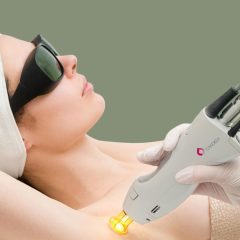
For those looking for a more permanent solution, laser hair removal is one of the most effective ways to reduce facial hair growth. This treatment works by using light energy to target the pigment in hair follicles, heating them to prevent regrowth over time. Unlike shaving or waxing, which only provide temporary relief, laser hair removal offers long-lasting results by disrupting the hair growth cycle.
Most people need a series of sessions to achieve the best outcome, as hair grows in different cycles. With each treatment, hair becomes finer and lighter until it eventually stops growing altogether in the treated areas. It is a safe and effective method for reducing unwanted facial hair, particularly for those dealing with hormonal-related growth.
Alternative Hair Removal Methods
Some women prefer temporary solutions such as waxing, threading, or depilatory creams. While these methods can provide smooth skin for a few days or weeks, they do not stop hair growth. Additionally, frequent waxing or threading can cause irritation, redness, or ingrown hairs, especially on sensitive facial skin.
Electrolysis is another permanent hair removal option, where a small electric current destroys the hair follicle. Unlike laser hair removal, electrolysis treats each hair individually, making it a longer and more time-consuming process.
How Do I Stop Growing Facial Hair as a Woman?
While it may not be possible to completely stop facial hair growth naturally, combining professional treatments with hormonal management and lifestyle adjustments can make a significant difference. Laser hair removal London treatment remains one of the best long-term solutions, while maintaining hormonal balance through diet, exercise, and medical guidance can help prevent excessive regrowth.
For those struggling with persistent facial hair, seeking expert advice from a dermatologist or specialist clinic can help determine the most suitable approach. With the right treatment plan, it is possible to reduce and even stop unwanted facial hair, restoring confidence and achieving smooth, hair-free skin.








 Back to All Treatments
 In Clinic Consultation
 Telephone Consultation