 中文服务
中文服务







 6 Clinics Across London
 600,000 Treatments
 Free Consultation
 Award Winning Treatments

Whether it’s a long day at the beach or just forgetting to reapply SPF, sunburn happens to the best of us. While prevention is always ideal, it’s also important to know how to care for your skin if you do get burned. Sunburn isn’t just temporary redness — repeated exposure can lead to long-term skin damage, pigmentation, and early signs of ageing. The good news is, there are effective ways to calm, soothe, and restore your skin after sunburn — both at home and through professional treatments. In a complete guide treating sunburns, we’ll walk through how to treat sunburns in the short term, what to do in the weeks that follow, and how advanced skin treatments can help repair deeper damage.
What Is a Sunburn and Why Does It Happen?
Sunburn is a clear sign that the skin has been overexposed to ultraviolet (UV) rays, either from the sun or tanning beds. It’s the result of UV radiation damaging skin cells, triggering inflammation, redness, and in some cases, peeling or blistering. The skin’s natural healing response kicks in quickly, but repeated sunburns can lead to pigmentation issues, broken capillaries, fine lines, and uneven texture over time.
First Steps: Calming the Skin After Sunburn
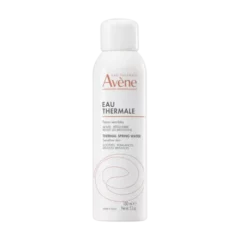
As soon as you notice sunburn, the first step is to cool the skin and reduce inflammation. A cool (not cold) shower or a damp cloth can help bring immediate relief. Follow this with a gentle, fragrance-free moisturiser or aloe vera gel to soothe the area. Hydration is key — both topically and internally — so drink plenty of water to help your skin recover from within.
Avoid further sun exposure while the skin heals, and skip products containing retinol, acids, or exfoliants, which can further irritate the area. It’s also best to wear loose-fitting clothing to avoid friction.
What to Expect in the Days After
Depending on the severity, sunburn may lead to peeling, dryness, or sensitivity for several days. Avoid picking at the skin, as this can lead to scarring or hyperpigmentation. Once the initial redness and inflammation settle, it’s a good time to start rebuilding the skin barrier and correcting any emerging damage, such as dark spots or uneven tone.
Long-Term Skin Repair After Sunburn
While moisturisers and serums can support the healing process, deeper sun damage often calls for advanced skin treatments. These treatments aren’t used during the acute sunburn phase but can be introduced once the skin has recovered, typically after 4–6 weeks.
Here are some options that can help improve skin texture, reduce pigmentation, and support collagen production post-sunburn:
Carbon Laser Facial – A gentle laser treatment that exfoliates, brightens, and clears away impurities. It’s ideal for improving texture and dullness caused by sun exposure.
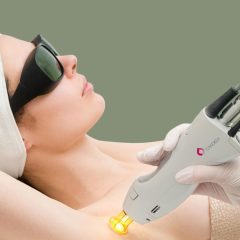
IPL by M22 (Intense Pulsed Light) – This light-based therapy targets sun-induced pigmentation, redness, and broken capillaries. It’s particularly effective for long-term sun damage on the face, neck, and décolletage.
Cosmelan Depigmentation Peel – Designed to treat stubborn pigmentation and melasma, this peel helps reset uneven skin tone caused by sunburn or cumulative sun exposure.
PicoSure Laser – Known for its precision and minimal downtime, PicoSure Pro helps break down pigment and stimulate collagen, making it suitable for both sunspots and overall skin revitalisation.
Revlite Laser – This Q-switched laser gently targets uneven pigmentation and early sun damage without causing harm to surrounding skin.
These sun damage treatments are not meant to “undo” it instantly, but they can significantly improve the skin’s appearance and reduce the signs of sun-related ageing when used as part of a personalised skincare plan.
Can You Prevent Future Sunburn Damage?
Yes — and prevention is far easier than correction. Always apply broad-spectrum SPF 50 or higher daily, even in cloudy weather. Reapply every two hours if you’re outdoors, especially if swimming or sweating. Wearing a wide-brimmed hat and sunglasses can also go a long way in protecting delicate facial skin.
For those with a history of repeated sunburn or pigmentation concerns, regular skin assessments and maintenance treatments (like gentle laser facials or peels) can help keep the skin healthy, clear, and protected.
A Complete Guide to Treating Sunburns
Treating sunburn isn’t just about calming redness — it’s about helping your skin recover and preventing long-term damage. Start with soothing care, give your skin time to heal, and consider professional treatments like IPL, PicoSure, or Carbon Laser Facials to restore brightness and clarity if needed. Prevention, of course, remains your best defence — but with the right support, your skin can bounce back beautifully.







 Back to All Treatments
 In Clinic Consultation
 Telephone Consultation