 中文服务
中文服务







 6 Clinics Across London
 600,000 Treatments
 Free Consultation
 Award Winning Treatments

Quick Answer: What Is Hyperpigmentation?
Hyperpigmentation is a common skin condition that causes patches of skin to appear darker than the surrounding area. It occurs when the skin produces excess melanin, the pigment responsible for skin colour.
Hyperpigmentation can appear as:
- Brown spots
- Sun spots
- Age spots
- Melasma
- Acne marks
- Dark patches after skin injury or inflammation
While harmless, hyperpigmentation can affect confidence and often becomes more noticeable with age, sun exposure, hormonal changes, acne, or skin trauma.
The good news is that modern treatments such as laser therapy, chemical peels, microneedling and medical-grade skincare can significantly improve pigmentation and restore a more even complexion.
What Causes Hyperpigmentation?
Hyperpigmentation develops when melanocytes (pigment-producing cells) become overactive and produce excess melanin.
Common causes include:
Sun Exposure
Ultraviolet (UV) radiation is one of the leading causes of pigmentation.
When exposed to sunlight, the skin increases melanin production as a protective mechanism. Over time, this can lead to:
- Sun spots
- Age spots
- Uneven skin tone
- Diffuse pigmentation
Even brief daily exposure without SPF can worsen existing pigmentation.
Hormonal Changes
Hormonal fluctuations can trigger melasma, a form of pigmentation that commonly appears on:
- Forehead
- Cheeks
- Upper lip
- Jawline
Melasma is often associated with:
- Pregnancy
- Birth control pills
- Hormone replacement therapy
- Thyroid disorders
Acne and Skin Inflammation
After acne, eczema, burns, rashes, or skin injuries heal, they can leave behind dark marks known as Post-Inflammatory Hyperpigmentation (PIH).
PIH is particularly common in darker skin tones.
Ageing
As skin ages, years of cumulative sun exposure often become visible in the form of:
- Age spots
- Liver spots
- Patchy pigmentation
Certain Medications
Some medications can increase photosensitivity and contribute to pigmentation, including:
- Certain antibiotics
- Hormonal medications
- Some anti-inflammatory drugs
Types of Hyperpigmentation
Understanding the type of pigmentation is crucial because different conditions require different treatments.
Melasma
Melasma presents as larger patches of brown or grey-brown pigmentation.
Common areas include:
- Forehead
- Cheeks
- Nose
- Upper lip
Melasma is often hormonally driven and can be challenging to treat without a personalised approach.
Sun Spots (Solar Lentigines)
Sun spots are small, flat dark spots caused by years of UV exposure.
They commonly appear on:
- Face
- Hands
- Chest
- Shoulders
These often respond very well to laser treatments.
Post-Inflammatory Hyperpigmentation (PIH)
PIH develops after inflammation or injury to the skin.
Common triggers include:
- Acne
- Burns
- Eczema
- Cosmetic procedures
- Picking at blemishes
Freckles
Freckles are small pigmented spots that often become darker with sun exposure.
While genetic, they can be reduced with certain laser treatments.
Can Hyperpigmentation Go Away Naturally?
Some forms of pigmentation may fade naturally over several months.
However, deeper pigmentation such as melasma or long-standing sun damage often requires professional treatment.
Without treatment, pigmentation may:
- Persist for years
- Become darker with sun exposure
- Reappear after temporary improvement
Early intervention usually delivers the best outcomes.
The Best Treatments for Hyperpigmentation
The most effective treatment depends on:
- Skin type
- Depth of pigmentation
- Cause of pigmentation
- Location on the body
- Medical history
A professional consultation is essential to determine the safest and most effective approach.
Laser Treatment for Hyperpigmentation
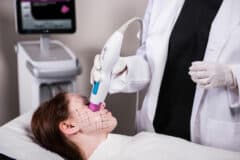
Laser treatment is one of the most advanced solutions for pigmentation removal.
Specialist lasers target excess melanin while minimising damage to surrounding skin.
Benefits include:
- More precise treatment
- Faster results
- Improved skin clarity
- Reduction in stubborn pigmentation
At London Premier Laser, several technologies may be used depending on the type and depth of pigmentation.
PicoSure Pro
PicoSure Pro uses ultra-short pulses of laser energy to shatter pigment particles into tiny fragments that are naturally cleared by the body.
It is particularly effective for:
- Sun spots
- Age spots
- Acne pigmentation
- Stubborn pigmentation
Harmony ClearLift
Harmony ClearLift provides gentle laser rejuvenation with minimal downtime.
It can help improve:
- Uneven skin tone
- Mild pigmentation
- Early signs of ageing
It is often suitable for patients seeking a more gradual approach.
Chemical Peels for Hyperpigmentation
Chemical peels accelerate skin renewal and encourage pigmented cells to shed more quickly.
Common benefits include:
- Brighter complexion
- Reduced pigmentation
- Improved skin texture
- Enhanced skincare absorption
Cosmelan Depigmentation Peel
Cosmelan is widely regarded as one of the leading treatments for melasma and stubborn pigmentation.
It works by:
- Reducing melanin production
- Controlling future pigmentation
- Improving overall skin tone
Many patients with melasma benefit from Cosmelan when combined with ongoing maintenance skincare.
Microneedling for Hyperpigmentation
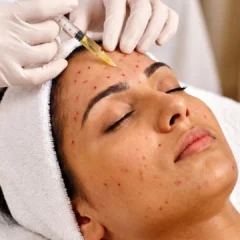
Microneedling stimulates the skin’s natural healing response and encourages collagen production.
Benefits include:
- Reduced acne pigmentation
- Improved skin texture
- Enhanced absorption of brightening ingredients
Dermapen Microneedling
Dermapen creates controlled microchannels within the skin to stimulate regeneration and improve pigmentation concerns.
It is particularly popular for:
- Post-acne pigmentation
- Uneven skin tone
- Acne scarring
Which Hyperpigmentation Treatment Is Best?
There is no single treatment suitable for every case.
Best Treatments by Pigmentation Type
| Pigmentation Type | Recommended Treatments |
|---|---|
| Melasma | Cosmelan, ClearLift, Medical Skincare |
| Sun Spots | PicoSure Pro, ClearLift |
| Acne Pigmentation | Dermapen, PicoSure Pro |
| Freckles | PicoSure Pro |
| Age Spots | PicoSure Pro, Chemical Peels |
Many patients achieve the best results through a combination treatment plan rather than a single procedure.
Hyperpigmentation Treatment for Darker Skin Types
Treating pigmentation in darker skin tones requires specialist expertise.
Aggressive treatments can sometimes worsen pigmentation if not performed correctly.
Safe treatment options often include:
- Pico laser technologies
- ClearLift
- Cosmelan
- Microneedling
- Medical-grade skincare
A personalised consultation is particularly important for Fitzpatrick skin types IV–VI. Research and clinical experience suggest that certain laser platforms and treatment protocols are better suited for darker skin tones than traditional IPL-based approaches.
How Long Does It Take to See Results?
Results vary depending on the type and severity of pigmentation.
Typical timelines include:
After Laser Treatment
- Initial improvement: 2–4 weeks
- Significant improvement: 2–4 months
After Chemical Peels
- Visible brightening: 1–2 weeks
- Continued improvement over several months
After Microneedling
- Gradual improvement over 4–12 weeks
Most patients require multiple sessions for optimal results.
How to Prevent Hyperpigmentation from Returning
Even after successful treatment, prevention remains essential.
Wear SPF Daily
Broad-spectrum SPF 50 should be used every day, regardless of weather conditions.
Avoid Excessive Sun Exposure
UV exposure remains one of the biggest triggers for recurring pigmentation.
Use Medical-Grade Skincare
Ingredients commonly recommended include:
- Vitamin C
- Azelaic Acid
- Tranexamic Acid
- Retinoids
- Niacinamide
Follow Professional Aftercare Advice
Following laser treatments, diligent sun protection is especially important to minimise the risk of pigmentation recurrence.
Book a Hyperpigmentation Consultation in London
Every pigmentation concern is unique. The most effective treatment depends on the type of pigmentation, your skin tone, medical history and treatment goals.
At London Premier Laser, our specialists create personalised treatment plans using advanced technologies including PicoSure Pro, Harmony ClearLift, Cosmelan and Dermapen Microneedling.
Book a consultation with Premier Laser Skin Clinic today to discover the most suitable solution for achieving a brighter, clearer and more even complexion.




 Back to All Treatments
 In Clinic Consultation
 Telephone Consultation