 中文服务
中文服务







 6 Clinics Across London
 600,000 Treatments
 Free Consultation
 Award Winning Treatments
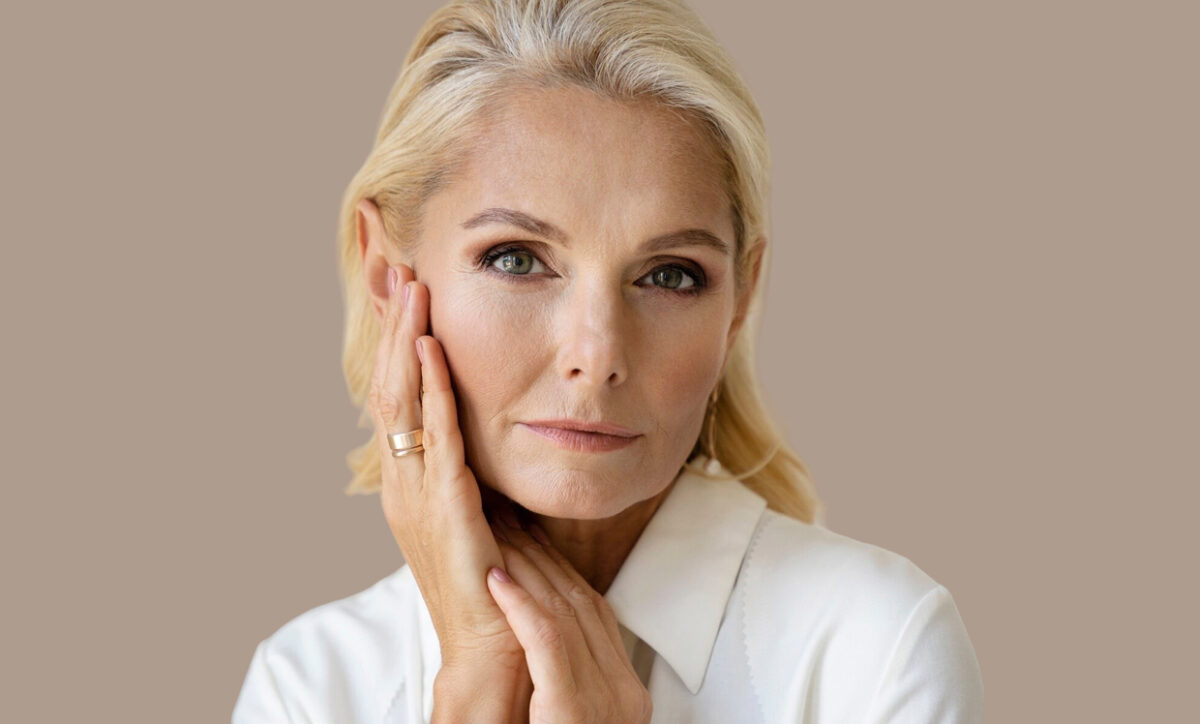
Ageing is a natural part of life, and while we all expect to see changes in our appearance over time, many people wonder at what age does your face change most? Understanding how and when facial changes occur can help you make more informed decisions about maintaining a fresh, youthful appearance.
In this blog, we’ll explore the stages of facial ageing, what typically happens at each milestone, and how modern treatments can help address the signs of ageing effectively and naturally.
When Does the Face Start to Change?
Facial ageing is a gradual process that begins earlier than many realise. Subtle changes can start as early as your late 20s or early 30s when the body’s natural production of collagen and elastin — the proteins responsible for skin’s firmness and elasticity — begins to decline.
In your 30s, you may notice:
- Fine lines around the eyes (crow’s feet) and mouth
- Slight volume loss in the cheeks
- Early signs of skin laxity
These early signs are often subtle but set the groundwork for more visible changes later on.
At What Age Does Your Face Change Most?
For most people, the most significant facial changes occur in their 40s and 50s. During this period:
- Collagen and elastin breakdown accelerate, leading to noticeable skin sagging.
- Fat pads in the face shrink and shift, causing hollowing in the cheeks and temples and deeper nasolabial folds.
- Bone density decreases, subtly altering the facial structure.
- Skin loses hydration and thickness, contributing to fine lines, wrinkles, and a duller complexion.
- Hormonal changes, particularly around menopause, can also exacerbate these effects, leading to a more pronounced transformation in facial appearance.
While everyone’s ageing process is unique, many people find that their 40s mark the time when cosmetic treatments become a consideration to maintain a youthful and refreshed look.
What Causes These Changes?
Several factors contribute to the changes we see in the face as we age:
- Intrinsic Ageing: The natural, genetic process of ageing that affects skin and tissue over time.
- Extrinsic Factors: Sun exposure, smoking, diet, and stress can accelerate visible ageing.
- Hormonal Changes: Declining oestrogen levels impact skin thickness and elasticity.
Lifestyle habits and genetics play a significant role in how quickly and dramatically these changes occur, but the biological process is inevitable for everyone.
How Can You Address Age-Related Facial Changes?
The good news is that there are a range of non-surgical treatments available that can help slow down and even reverse some signs of facial ageing. Some of the most effective options include:
Anti-Wrinkle Injections
Anti-wrinkle injections are a popular choice for softening dynamic lines caused by facial expressions, such as crow’s feet, frown lines, and forehead wrinkles. By relaxing targeted muscles, these injections smooth out wrinkles and help maintain a more youthful, rested appearance.
Dermal Fillers
As facial volume diminishes with age, dermal fillers can restore lost fullness in areas like the cheeks, lips, and temples. Fillers not only replenish volume but can also enhance facial contours, improving the overall harmony and youthful balance of the face.
Morpheus8
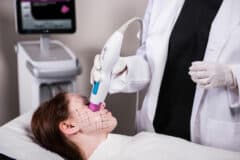
Morpheus8 combines microneedling with radiofrequency energy to stimulate collagen production deep within the skin. It effectively tightens and remodels the skin, addressing sagging and improving texture without surgery. This treatment is ideal for those seeking firmer, more lifted skin with minimal downtime.
Polynucleotides
Polynucleotide treatments are a newer approach that helps to rejuvenate the skin at a cellular level. They stimulate tissue repair, boost hydration, and enhance skin quality, making them excellent for improving skin texture, elasticity, and radiance over time.
At our Clinics, treatment plans are fully customised based on your unique skin concerns and goals, ensuring you achieve natural-looking, beautiful results.
When Should You Start?
There’s no perfect age to start aesthetic treatments — it depends entirely on your skin, your concerns, and your goals. Some people begin preventative treatments in their late 20s or early 30s, while others wait until they notice more significant changes in their 40s or 50s. A consultation with one of our experienced medical practitioners can help guide you on the best approach based on your skin’s needs.
Embracing Change with Confidence
So, at what age does your face change most? For many, it’s during the 40s and 50s when the effects of ageing become more noticeable. With the right treatments, it’s possible to maintain a refreshed, youthful look while still embracing the natural beauty of ageing.




 Back to All Treatments
 In Clinic Consultation
 Telephone Consultation