 中文服务
中文服务







 6 Clinics Across London
 600,000 Treatments
 Free Consultation
 Award Winning Treatments

Laser hair removal London treatment has become an increasingly popular solution for those seeking a long-lasting alternative to traditional hair removal methods such as shaving, waxing, or depilatory creams. While the treatment is generally safe and effective for reducing unwanted hair, concerns often arise regarding the potential side effects, one of which is hyperpigmentation. This condition, characterised by patches of skin becoming darker than the surrounding area, can be an unwanted consequence for some individuals following laser treatment. But can laser hair removal worsen hyperpigmentation?
Understanding Hyperpigmentation
Hyperpigmentation occurs when certain areas of the skin produce excess melanin, the pigment responsible for skin colour. This can result in dark patches or spots on the skin, and it can be triggered by a variety of factors, including sun exposure, hormonal changes, inflammation, and skin injuries.
There are different types of hyperpigmentation:
- Post-inflammatory hyperpigmentation (PIH): This occurs after the skin has been injured or irritated, such as after acne, cuts, or burns. The skin responds by producing more melanin in the affected area, leading to dark spots.
- Melasma: Often caused by hormonal changes, melasma appears as larger patches of hyperpigmentation, commonly found on the face.
- Solar lentigines: These are sun-induced dark spots that often appear as a result of excessive UV exposure.
Given that hyperpigmentation can be triggered by skin scarring or irritation, it’s understandable that some might be concerned about how laser hair removal, which uses light energy to target hair follicles, could affect their skin.
How Laser Hair Removal Works
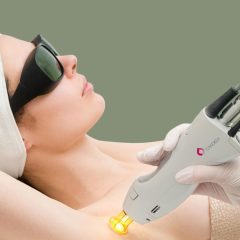
Laser hair removal works by using concentrated light beams that target the melanin in hair follicles. The heat generated by the laser damages the follicles, preventing or delaying future hair growth. The process is most effective for people with light skin and dark hair, as the laser can easily differentiate between the pigment in the skin and the pigment in the hair.
Can Laser Hair Removal Worsen Hyperpigmentation?
In certain cases, if the treatment is performed with IPL and not with an ND: Yag laser can worsen or even cause hyperpigmentation. Also, it can occur if the aftercare is not performed correctly or if the individual’s skin reacts unusually to the treatment. Here are some factors that may influence whether laser hair removal worsens hyperpigmentation:
1. Incorrect Laser Settings
Using the wrong type of laser or incorrect settings for your skin type can increase the risk of hyperpigmentation. Lasers that are too strong or not designed for your skin type may overheat the skin, leading to irritation and excess melanin production. For darker skin tones, Nd lasers are often preferred because they are less likely to damage the skin.
2. Sun Exposure Post-Treatment
Post-treatment care is crucial in preventing hyperpigmentation. After laser hair removal, the skin is more sensitive to UV rays. Sun exposure without proper protection can worsen hyperpigmentation or cause new spots to form. It’s essential to use high-SPF sunscreen and avoid direct sunlight for several weeks after the treatment.
3. Skin Inflammation
For some people, laser hair removal can irritate the skin, leading to redness, swelling, and even minor burns in some cases. This inflammation can trigger the skin’s melanin production, resulting in post-inflammatory hyperpigmentation. Individuals who are prone to hyperpigmentation, particularly those with sensitive or darker skin, may be more at risk.
Minimising the Risk of Hyperpigmentation from Laser Hair Removal
Although there is a risk of hyperpigmentation, it can be minimised with proper care before, during, and after the procedure. Here are some steps to consider:
1. Consult a Qualified Practitioner
Choosing one of our experienced practitioners who is well-versed in laser treatments for different skin types is crucial. Our practitioners will be able to assess your skin tone and recommend the most appropriate laser and settings to minimise the risk of hyperpigmentation.
2. Use Sunscreen
Protecting your skin from the sun before and after laser hair removal is vital. Sunscreen with a high SPF like DR SPF 50 should be applied regularly to the treated areas to prevent UV-induced hyperpigmentation. Sun exposure can increase melanin production, making hyperpigmentation more likely after the procedure.
3. Laser Type
Opting for the right laser is key. For individuals with darker skin tones, the Nd laser is generally recommended. This type of laser is less likely to interact with the melanin in the skin and cause discolouration.
4. Follow Post-Treatment Care
Aftercare is essential for preventing skin irritation and potential hyperpigmentation. Your practitioner will provide you with guidelines, including keeping the skin moisturised, avoiding direct sunlight, and refraining from using harsh products that could irritate the skin.
Laser hair removal is generally safe and effective, but it can potentially worsen hyperpigmentation in certain cases, especially for individuals prone to PIH. The risk of hyperpigmentation can be minimised by choosing the right type of laser, ensuring proper aftercare, and working with an experienced professional. If you are concerned about the risk of hyperpigmentation, it is crucial to consult with our qualified practitioners who can assess your skin type and tailor the treatment to your needs, ensuring a safe and effective result.





 Back to All Treatments
 In Clinic Consultation
 Telephone Consultation