

Can You Fly After Getting Anti-Wrinkle Injections and Fillers? - London Premier Laser & Skin Clinic Book Free Consultation

⚡️ EXTRA 10% OFF LASER & SKIN. Use code: FLASH10

00  00:00:00

Location Icon 6 Clinics Across London Users Icon 600,000 Treatments Phone Icon Free Consultation Awards Icon Award Winning Treatments

Can You Fly After Getting Anti-Wrinkle Injections and Fillers?

By Mary Basiadima, 23 April 2025

Can You Fly After Getting Anti-Wrinkle Injections and Fillers?

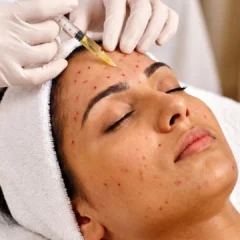
If you’ve just had aesthetic treatments or are planning to, it’s completely natural to wonder how travel might affect your results. One of the most common questions practitioners hear is: can you fly after getting anti-wrinkle injections and fillers? Whether you’re heading off on holiday or travelling for work, here’s what you need to know before boarding the plane.

Is It Safe to Fly After Cosmetic Injections?

In most cases, flying after having anti-wrinkle injections or dermal fillers is perfectly safe. These treatments are minimally invasive and don’t usually interfere with flying. However, timing and aftercare are important. While flying itself won’t harm the results, certain factors can affect how your body responds to the treatment during or after travel.

Why Do Some Practitioners Advise Waiting?

While there’s no strict rule, many practitioners recommend waiting 24 to 48 hours before flying. This gives your skin time to settle and allows any swelling, redness, or bruising to calm down. Travelling too soon may not cause major problems, but:

  • Cabin pressure and altitude can potentially worsen swelling
  • Limited movement during flights might slow down healing
  • Touch-ups or corrections can’t be done if you’re away shortly after treatment

If possible, plan your appointments a few days before flying so you can monitor your results and allow for any adjustments if needed.

Aftercare Tips If You’re Travelling Soon

If you do need to fly soon after your treatment, follow these simple tips to help protect your results:

  1. Stay hydrated – planes are very dehydrating, which isn’t ideal post-treatment
  2. Avoid alcohol during the flight, as it can worsen bruising
  3. Don’t apply pressure to the treated areas (no sleeping face down or leaning against windows)
  4. Keep your skin clean and avoid touching your face unnecessarily
  5. Use a gentle SPF, especially if you’re flying to a sunny destination

Plan Ahead for the Best Results

So, can you fly after getting anti-wrinkle injections and fillers? Yes – it’s generally safe, but giving your skin a bit of breathing room before flying is always a smart move. A short wait can make all the difference in healing comfortably and ensuring the best possible outcome from your treatment. If in doubt, always check with our medical team – especially if you’re travelling soon after a first-time appointment.

FAQs

How long after having fillers can you fly?

It’s generally safe to fly 24 to 48 hours after having fillers, once any swelling or bruising has started to settle. Waiting gives your skin time to recover and helps avoid unnecessary discomfort during travel.

Can I get fillers a week before flying?

Yes, getting fillers a week before flying is perfectly fine. In fact, it allows plenty of time for any mild swelling or bruising to calm down before your trip, so you can travel feeling confident.

What is not allowed after fillers?

After fillers, avoid intense exercise, alcohol, heat (like saunas or steam rooms), and touching or massaging the treated area for at least 24 hours. These can all affect how the filler settles and may increase swelling or bruising.


Popular Categories

Skin Treatments

Special Offers

DR Skincare

Related Articles

Emsculpt Neo + Exilis in London: The Magic of Non-Surgical Body Contouring

Emsculpt Neo + Exilis in London: The Magic of Non-Surgical Body Contouring

When patients think about body contouring, they often focus on just one concern: reducing stubborn fat. However, achieving a sculpted, athletic-looking body involves much more than fat reduction alone. Muscle definition, skin firmness, and body proportions all play an important role in creating visible and natural-looking results. This is why many aesthetic experts now combine…

CoolSculpting vs CoolSculpting Elite: What’s the Difference?

CoolSculpting vs CoolSculpting Elite: What’s the Difference?

If you’re considering non-surgical fat freezing, you’ve probably come across both CoolSculpting and CoolSculpting Elite. While they use the same core science, there are some important differences that can affect your results, treatment time, and overall experience. At London Premier Laser, we offer both treatments and help clients choose the most suitable option based on…

Hyperpigmentation: Causes, Types and the Most Effective Treatments for Clearer, Even-Toned Ski

Hyperpigmentation: Causes, Types and the Most Effective Treatments for Clearer, Even-Toned Ski

Quick Answer: What Is Hyperpigmentation? Hyperpigmentation is a common skin condition that causes patches of skin to appear darker than the surrounding area. It occurs when the skin produces excess melanin, the pigment responsible for skin colour. Hyperpigmentation can appear as: Brown spots Sun spots Age spots Melasma Acne marks Dark patches after skin injury…

HIFU vs Ultherapy vs Sofwave vs Thermage: Which Skin Tightening Treatment Is Right for You?

HIFU vs Ultherapy vs Sofwave vs Thermage: Which Skin Tightening Treatment Is Right for You?

HIFU vs Ultherapy vs Sofwave vs Thermage: Comparison Guide Non-surgical skin tightening treatments have become increasingly popular for lifting and firming the skin without surgery or downtime. With options like HIFU, Ultherapy, Sofwave, and Thermage, it’s not always obvious which treatment is the right fit for your skin concerns or goals. While all four work…

Template: single.php
0